

Updated January 2026: We have updated the article to reflect the latest developments in AI-driven mobility aids, smart sensors, IoT-connected devices, hyper-personalized care plans, and telehealth-embedded durable medical equipment. The update highlights emerging technologies like voice-activated walkers, wearable robotics, fall detection systems, predictive AI for chronic care, and sensor-based fall prevention, aligned with 2026 trends in assistive solutions for seniors.
Addressing the Growing Need for Personalized In-Home Care
As the aging population continues to grow, so does the need for personalized in-home care services that allow seniors to age gracefully and comfortably in their own homes. HomeWell Senior Care is at the forefront of this movement, offering a critical service for the vast majority of seniors who wish to age in place. According to the Centers for Disease Control and Prevention, by 2030, 1 in every 5 residents will reach retirement age, highlighting the importance of comprehensive care services now more than ever. Many seniors, 90% in fact, prefer to stay in their homes, yet 40% require assistance with daily living activities. Here, HomeWell Senior Care steps in with the expertise and compassion necessary for seniors to remain independent and cared for.
Understanding In-Home Senior Care: What Services Are Available?
HomeWell Senior Care provides a range of non-medical services tailored to meet the daily needs of seniors. These offerings include personal care, companionship, and homemaker tasks, all designed to enhance the quality of life for those who choose to age at home. Through personalized care plans, HomeWell addresses both the social and health-related requirements of each individual. Consider Arthur, a senior who faced challenges with mobility. HomeWell crafted a plan for him that provided daily companionship and assistance with household chores, allowing him to live comfortably at home. According to a study published in the Journal of the American Geriatrics Society, such home-based care programs significantly reduce hospitalizations and improve the overall quality of life for seniors with chronic conditions.
Recent advancements in in-home care now incorporate state-of-the-art technology to better address these needs. AI-enhanced wearable devices such as advanced smartwatches and fitness trackers play a growing role in health monitoring by detecting falls, tracking heart rate, monitoring sleep, and transmitting real-time health information to caregivers and clinicians. This empowers seniors and families to proactively manage health and seek timely intervention when needed.[1]. Additionally, sensor-based safety systems and discreet monitoring platforms like Nomo Smart Care support safe and independent living through non-intrusive alerts and medication access notifications.[7] Increasingly, mobility aids now feature integrated AI and smart sensors for real-time fall detection, obstacle avoidance, and remote caregiver monitoring, while new IoT-connected devices enhance safety and independence in the home.[4], [7]
How HomeWell Personalizes Senior Care for Each Family
HomeWell’s personalized approach begins with a dedicated Care Manager who develops individualized care plans for each family. These plans are meticulously crafted with consideration of the unique needs of every senior, often incorporating specialized equipment recommendations identified during comprehensive home assessments. For instance, the Smith family found tremendous relief when HomeWell’s personalized care drastically improved their father’s daily life and overall happiness. As Dr. Andrea Green, a renowned geriatrician, states, “
Personalized in-home care, like that delivered by HomeWell, addresses both social and health-related needs, enabling seniors to maintain their dignity and independence longer.
“
Increasingly, care planning considers the integration of smart home technologies—including voice-activated assistants, automated lighting, and security systems—that can be tailored to the capabilities and routines of each senior. These connected ecosystems offer both enhanced autonomy for older adults and peace of mind for families, who receive timely alerts and real-time insights.[2], [3]. In 2026, these plans increasingly involve hyper-personalized care approaches, leveraging predictive AI analytics for chronic condition support and telehealth-embedded durable medical equipment, such as voice-activated walkers with built-in GPS or smart bathroom aids.[4], [5]
Signature Programs: Going Beyond Basic Care Needs
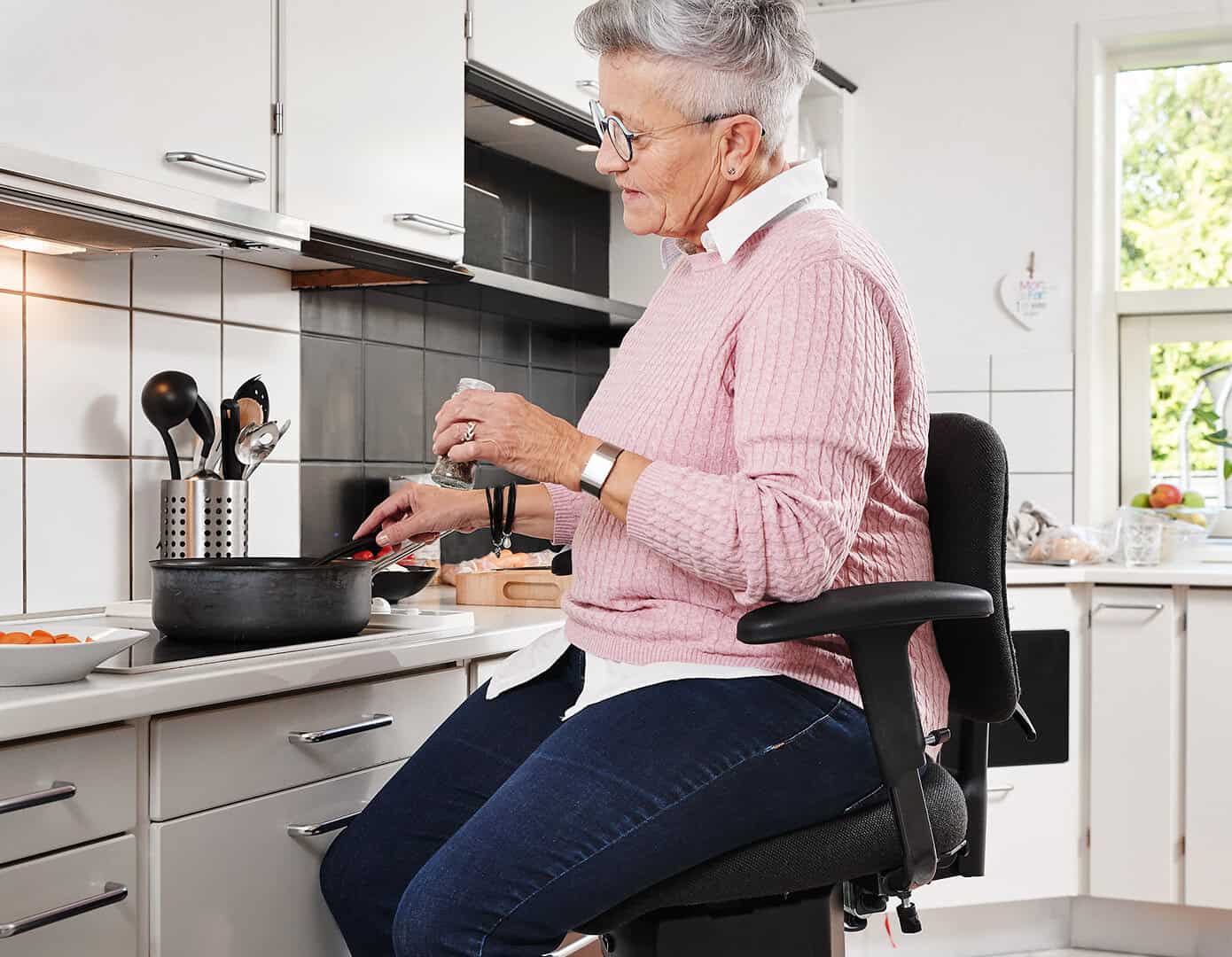
HomeWell Senior Care offers several “Signature Programs” that extend beyond basic care needs, addressing areas such as fall prevention, chronic disease support, and memory care. These programs are further enhanced by technology and supportive equipment. According to the National Institutes of Health, home care services like these can significantly delay or even prevent the need for institutional care. Consider Margaret, who utilized HomeWell’s fall prevention program and supportive equipment to maintain her independence at home. Her success story is a testament to the comprehensive care solutions provided by HomeWell. In this context, while nursing homes provide structured environments, solutions like the VELA Independence Chair facilitate aging in place by enhancing mobility and safety within one’s own residence. The VELA Chair, a medically approved mobility device for home use, supports seniors by offering improved safety and ease of movement for daily tasks, effectively easing the load on caregivers.
Increasingly, HomeWell’s Signature Programs are complemented by telemedicine integration and remote monitoring, making virtual doctor visits and health interventions routine for homebound seniors. This interconnected approach allows for prompt medical support and better management of chronic conditions—empowering seniors to stay healthier at home while minimizing unnecessary hospital visits.[1], [3] Companion robotics and cognitive health applications, such as brain training games and music therapy apps, are also being increasingly recommended to reduce loneliness and support mental and emotional health.[6] In 2026, sensor-driven fall detection, noninvasive monitoring, and wearable robotics are central to fall prevention, while smart hospital beds with ergonomic and biofeedback features and 3D-printed assistive devices offer an extra level of safety and comfort for seniors.[4], [7]
Local HomeWell Care: Service Areas and Coverage
HomeWell extends its compassionate care services across various geographic locations, including areas like Hackensack, NJ, and Philadelphia, PA. Such coverage ensures that more families can avail themselves of the top-tier services that have earned HomeWell an A+ rating with the Better Business Bureau. For example, a family in Union, NJ, praised the attentive and reliable care provided during a particularly trying time. Moreover, HomeWell operates within the regulatory framework laid out by the New Jersey Department of Health, ensuring compliance with all licensing and staffing requirements for home health agencies.
The global market for assistive technology in senior care is expanding rapidly, driven by innovation in AI, IoT, and ergonomic design, as well as greater policy and governmental support for aging in place. This ensures that HomeWell remains well-positioned to offer the latest solutions while upholding the highest standards of care.[5], [4] Robust regulatory frameworks are also shaping safe, user-centered adoption of digital health solutions.[3], [5]
The latest research highlights growing adoption of advanced assistive technologies such as AI-powered smart wheelchairs with autonomous navigation, robotics for daily support, and context-aware digital assistants. New materials and customized 3D-printed mobility aids offer improved comfort and fit for individual users, while co-creation with seniors is increasingly central to the development of these solutions, ensuring usability and continued engagement.[8], [4] The integration of smart mobility aids—incorporating AI, sensors, and IoT connectivity—ensures personalized, proactive care as part of HomeWell’s offerings.[7], [5]
Making the Right Choice for Senior Care
Choosing the right home care services is crucial for ensuring the happiness and well-being of our aging loved ones. HomeWell Senior Care successfully meets these needs with its personalized programs and extensive local coverage, allowing seniors to live full, independent lives at home. According to Medicare.gov, home health care is often more affordable and just as effective as institutional care, making HomeWell a prudent choice for families seeking both quality and affordability. Reflecting on HomeWell’s services, it becomes clear that this dedicated care agency offers not only essential services but also peace of mind for families striving to support their loved ones’ desire to age in place.
When considering care partners, families should now also examine how providers integrate technology such as remote health monitoring, smart home safety, and cognitive support systems, as well as how these solutions are tailored and updated to address evolving needs.[2], [3] Leading senior care organizations are prioritizing adoption of AI-based personalized plans and tech-enabled support, reflecting the shift to value-based care.[7]
Exploring Alternatives to Nursing Homes
Enhancing independence at home often requires multifaceted solutions that address mobility, safety, and ease of daily activities. The VELA Independence Chair, designed for seniors, plays a vital role in this regard. It offers features such as a central brake for increased stability and electric height adjustability to assist with various tasks. These benefits help seniors perform daily activities like cooking and dressing with minimal strain, thereby delaying the need for nursing home care. Life with a VELA Chair means more freedom and safety—important values for aging gracefully at home. As a mobility aid, it reduces the physical burden on informal caregivers while enhancing the dignity of the seniors utilizing it. For those exploring ways to support elderly independence, solutions like enhancing independence for seniors provide viable pathways to sustain well-being at home.
In addition to mobility aids, today’s most effective alternatives to nursing homes incorporate digitally connected home environments, AI-powered wearables, and robotic and cognitive companion solutions that collectively strengthen senior independence, improve safety, and contribute to long-term quality of life.[1], [6], [7], [4], [3], [5], [7]
Authoritative Sources
- Cyces.co, AgeTech Trends 2025: AI, Robotics & the Future of Aging — overview of AI and wearable technologies in senior care (2025-01-01)
- Channel Point Village, How Assistive Technologies Are Shaping Senior Care in 2025 — smart homes, telemedicine, and AI in senior living environments (2025-04-15)
- MyCareConcierge.org, How Technology Will Transform Senior Care in 2025 — telemedicine, wearable devices, robotics and health policy (2025-02-24)
- NumberAnalytics.com, Empowering Seniors with Assistive Tech — AI, IoT, and ergonomic innovation in assistive devices (2025-06-25)
- OpenPR.com, 2025 Disabled And Elderly Assistive Technology Industry Trends — market demand, adoption barriers, and independent living solutions (2025-08-05)
- TheGoodLifeSV.com, 2025 AgeTech Showcases the Latest Technology for Seniors — cognitive health and companion robotics (2025-03-01)
- AskSamie.com, Innovative Assistive Technology For Seniors in 2025 — non-intrusive monitoring and voice-activated devices (2023-12-11, still current)
- PMC (PubMed Central), The Role of Assistive Technology in Enabling Older Adults — independent living, co-creation with users, and technology adoption (2025-05-22)
- iHealthcareAnalyst.com, Geriatric Assistive Devices Market: Trends, Technologies & Outlook — AI-powered mobility aids, IoT, biomaterials, and 3D-printed devices (2025-07-08)
- GlobeNewswire, U.S. Assistive Technologies for Older Adults Market Analysis Report 2025 — market, independent living solutions, and technology adoption (2025-09-22)
- iHealthcareAnalyst.com, Geriatric Assistive Devices Market: Trends, Technologies & Outlook — details AI, IoT, sensors, and biomaterials in mobility aids (2025-07-08)
- Provider Magazine, Long Term Care 2026 Trends and Outlook — covers AI fall detection and predictive health tech (2025-11-05)
- Assisting Hands, Home Care Trends 2026: Preparing for Senior Care — discusses smart home devices, telehealth and personalized plans (2025-10-18)
- Trust Home Care, Elder Care In 2026: Trends to Watch — highlights AI, telehealth, and aging-in-place solutions (2025-12-02)