

Updated September 2025: We have updated the article with new findings on AI-powered adaptive mobility devices, smart home integration, advances in ergonomic design, and recent trends in regulatory support and market growth for assistive technologies in senior care.
Ensuring Quality Senior Care at Maple Lawn
In Montgomery County, where projections indicate that 20% of the population will be elderly by 2040, the demand for top-notch senior care is at an all-time high. Within this landscape, Maple Lawn Senior Care emerges as a premier choice, celebrated for its skilled nursing, memory care, and rehabilitation services. According to U.S. News Best Nursing Homes Report, Maple Lawn is recognized among the nation’s best, which speaks volumes about its commitment to quality and excellence.
Understanding Maple Lawn Senior Care: Services and Philosophy
Maple Lawn Senior Care sets itself apart with a robust spectrum of services designed to cater to the varied needs of its residents. This facility prioritizes individualized care plans, ensuring each resident receives tailor-fitted services that are as unique as their needs. From skilled nursing and memory care to comprehensive rehabilitation, the facility also offers lifestyle support designed to foster a homelike environment. As outlined by GuideStar, Maple Lawn’s mission is to provide dignified and personalized care that respects both individuality and comfort.
Profile of Residents: Age, Health Challenges, and Diversity
The residents at Maple Lawn predominantly belong to the 65+ age bracket, with a considerable portion over 75. Common health conditions include Alzheimer’s, mobility impairments, and sensory deficits, necessitating a comprehensive and nuanced approach to care. According to a Montgomery County’s Data Snapshot, the diversity among the elderly population is increasing, echoing a nationwide trend.
Maple Lawn adapts to this by offering a mosaic of care solutions, tailoring its environment to encourage resident adaptation and comfort. This aligns with peer-reviewed literature emphasizing the importance of culturally competent care practices to improve resident well-being.
Regulatory Standards and Quality Ratings for Maple Lawn
Quality and regulatory compliance are at the forefront of Maple Lawn’s operations. The facility adheres strictly to Medicare/Medicaid standards, ensuring both residents and families that care quality is both monitored and maintained to the highest standards. The Minnesota Department of Health Facility Survey provides an in-depth review of the facility’s compliance status, illuminating areas of excellence and offering transparency in care practices.
Although recent survey findings indicated non-compliance in certain aspects, Maple Lawn has actively addressed these issues, showcasing their commitment to continuous improvement.
Enhancing Resident Well-Being: Mobility Solutions for Seniors
Addressing mobility challenges effectively is pivotal to maintaining the independence of seniors at Maple Lawn. Recent advancements in assistive technology now enable seniors to benefit from smart wheelchairs that incorporate AI-powered features such as GPS navigation, collision avoidance, voice and app-based controls, and real-time health monitoring. These innovations allow for greater autonomy and reduce the caregiver burden, as intelligent user-learning algorithms offer more tailored and safe mobility experiences [1][4].
Wearable exoskeletons and robotic aids are becoming more common and provide improved shared control between user and device, enhancing rehabilitation outcomes and supporting seamless mobility for residents [3].
Smart home integration is also increasingly important, allowing residents to interact with their environment using voice-activated and IoT-enabled controls for lighting, doors, and appliances. This has a significant impact on accessibility and personalizes the living environment for greater independence [2].
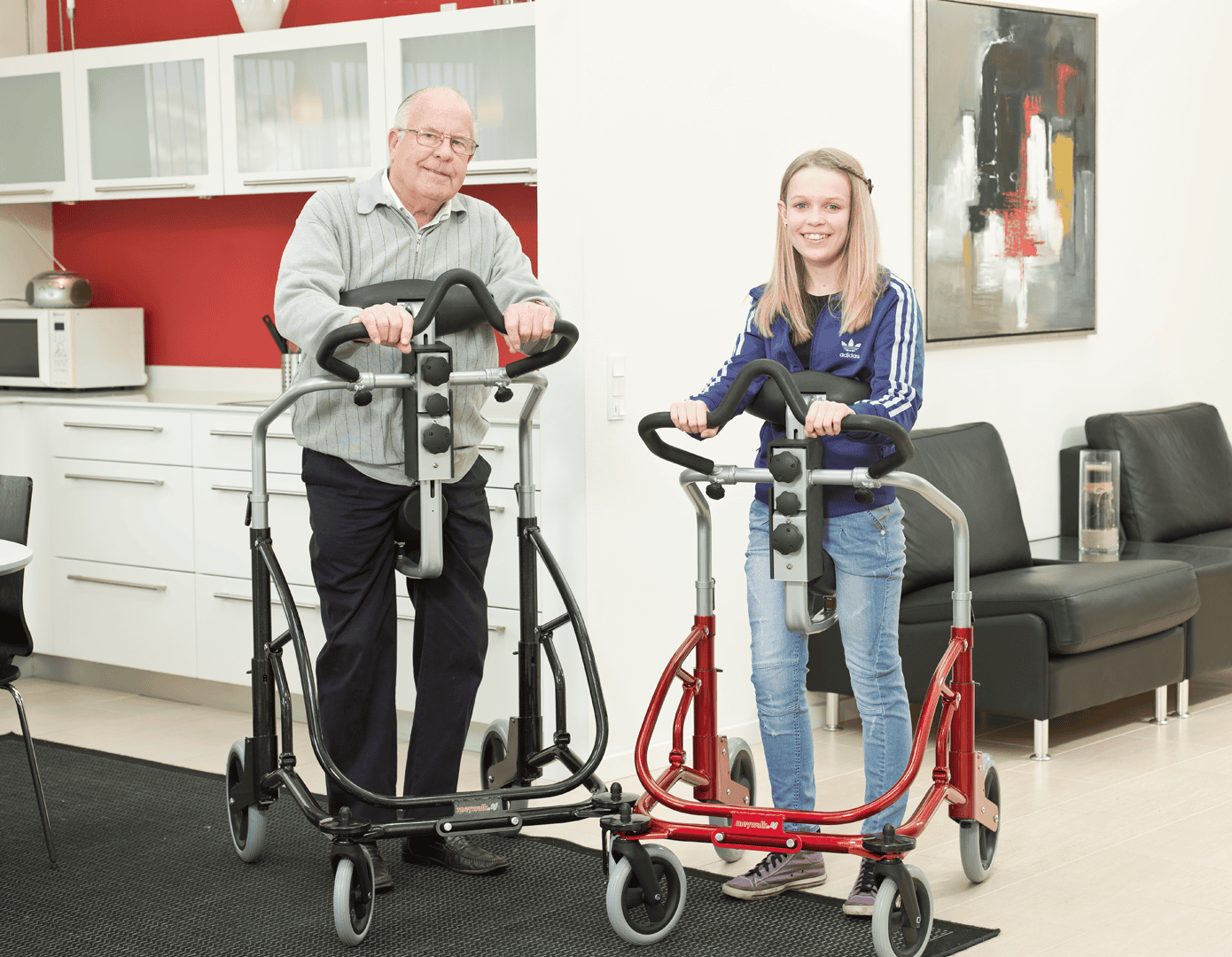
The VELA Independence Chair remains a notable mobility aid, now often featuring more ergonomic and adjustable designs. Innovations such as seat pressure monitoring, adjustable positions, and advanced stability mechanisms not only improve comfort but are vital for preventing secondary complications such as pressure sores [4] [7].
- Medically approved chair enhances safety
- Provides freedom of movement while seated with adaptive, user-centered controls
- Supports daily activities such as cooking, dressing, and transferring through ergonomic customization
- Reduces caregiver burdens by integrating electric height adjustability and real-time feedback features
These advances reflect Maple Lawn’s philosophy of improving quality of life by promoting autonomy and safety with the latest mobility solutions. AI-driven and connected assistive devices represent a major step toward balancing autonomy with the highest standards of support and care.
The impact of these developments is evident in features like the Independence Chair, which enables seniors to dine or engage in group activities more safely and comfortably, often integrating intuitive controls that adapt to individual needs[1][4].
In conclusion, Maple Lawn Senior Care stands as a beacon of quality, offering comprehensive services that cater to the multifaceted needs of the elderly. Its adoption of advanced, AI-driven mobility aids and personalized care plans puts resident well-being and satisfaction first. As highlighted in recent reports, choosing a senior care facility like Maple Lawn provides not only peace of mind but also access to the latest technologies supporting dignified aging. Emerging funding opportunities and expanded regulatory support further facilitate access for families and caregivers, underscoring Maple Lawn’s leadership in compassionate, comprehensive care[5][6][7].
Supporting Aging in Place: A Practical Option
For many seniors, the desire to remain in their homes as they age is strong. Innovations in mobility solutions such as VELA Chairs, now often enhanced with integrated IoT and smart safety features, extend the feasibility of this choice by offering comprehensive, user-adaptive support. Features like a central brake and electric height adjustability work alongside intuitive interfaces, allowing seniors to efficiently manage everyday activities and maintain autonomy [2]. Ergonomically improved seats and pressure monitoring further ensure safety and comfort for aging in place.
- Significantly delays the transition to nursing home care
- Preserves the dignity and freedom of elderly individuals with customizable, accessible technology
- Everyday activities, once burdensome, become manageable through adaptive adjustments and smart monitoring
- Helps seniors stay active and safe in a personalized environment
For more information on chairs helping seniors stay safe and active, consider exploring the advantages of mobility solutions for seniors living at home.
References:
- Everything Medical Online, “The Latest Trends in Mobility Aid Technology for 2025”
- TomCare, “Assistive Technologies 2025: Innovations Empowering People with Disabilities”
- National Center for Biotechnology Information, “Recent trends in assistive technology for mobility”
- Ability Montana, “Exciting Assistive Technology for People with Disabilities”
- Market.us Media, “Assistive Technology Statistics and Facts (2025)”
- PR Newswire via Technavio, “Assistive Technology Market to Grow by USD 6.3 Billion from 2025 to 2029”
- Assistive Technology Industry Association, “Assistive Technology Outcomes and Benefits – Volume 19 (June 2025 PDF)”