

Updated September 2025: We have updated the article to include the latest findings on AI-powered assistive technology, advanced ergonomic and safety features in mobility devices, digital rehabilitation tools, regulatory recommendations for early provision of assistive tech, and the importance of user-centered design in senior care solutions.
Optimum Senior Care: Navigating the Best Care Options for Aging Loved Ones
As the global population continues to age, the demand for “optimum senior care” becomes more pressing. By 2050, the number of seniors worldwide aged 60 and over is projected to reach 2 billion, according to the World Health Organization. This statistic underscores the importance of understanding the diverse landscape of senior care services to ensure that older adults can enjoy both quality of life and dignity in their twilight years.
Navigating the Diverse Senior Care Options
Choosing the right senior care can be a daunting task given the multitude of options available. These include home care services, assisted living, and memory care. Home care services allow seniors to receive professional caregiving in the comfort of their homes, whether through live-in care or hourly visits. Conversely, assisted living provides 24-hour supervision in a community setting, ideal for individuals who need help with daily activities but do not require nursing home care. Memory care caters specifically to those with Alzheimer’s or other forms of dementia, offering an environment designed to handle cognitive and behavioral challenges. For more detailed descriptions of these services, Optimum Senior Care Chicago offers valuable insights.
Consider Sophia’s journey—a case study illustrating a typical transition within senior care. Initially receiving home care after a mild cognitive decline, her condition eventually required the structured support of an assisted living facility. This reflects a common scenario where increasing needs prompt a shift in care types to maintain quality of life. Sophia’s caregivers were trained specifically in cognitive therapies and used person-centered approaches, ensuring that her daily routines met her evolving needs.
Personalized Care Solutions for Seniors
Tailoring care to individual needs is crucial for maximizing outcomes in senior care. Physical, cognitive, and social aspects must be evaluated to create an effective care plan. For example, Tony, a senior with Alzheimer’s, benefits significantly from specialized memory care that includes daily activities designed to stimulate cognitive function and support his independence. Customized care approaches, as highlighted by CareOne, emphasize the importance of assessing unique conditions to enhance well-being. Skilled caregivers are essential in these settings, often equipped with specialized training in handling cognitive and behavioral challenges, which ensures a dignified and supportive care environment.
Modern approaches to senior care increasingly emphasize the use of advanced assistive technologies—including AI-powered digital assistants and real-time communication tools—that offer seniors intuitive ways to interact, access information, and manage daily routines. User-centered design and co-creation with seniors play a key role in developing solutions that are sustainable and meet actual needs, ultimately supporting greater independence and quality of life.[1] [2]
Navigating the Financial Aspects of Senior Care
Selecting the appropriate senior care is heavily influenced by financial considerations, necessitating an understanding of cost structures and insurance options. The cost can vary significantly between care types, such as assisted living versus in-home care. By comparing these options, families can determine what aligns best with their long-term financial plans. Resources like Eden Senior Health Care provide valuable insights into potential costs and budgeting strategies, ensuring that families can make informed decisions.
Real-life budgeting scenarios often include evaluating insurance coverages, exploring benefits through Medicare or Medicaid, and considering additional services that may incur extra charges—factors pivotal in planning sustainable senior care solutions. For instance, John’s family needed to assess the impact of Medicaid coverage for his assisted living costs and found that opting for a semi-private room provided a cost-effective solution while meeting his care needs. The early provision and targeted delivery of assistive technology and support services are now viewed as preventive investments, which can both reduce healthcare burdens and positively affect socioeconomic outcomes for older adults and people with disabilities.[6]
Mobility Solutions for Independent Living
Maintaining mobility and independence is paramount for seniors transitioning into care settings or aging in place. The field of mobility solutions has advanced rapidly—modern mobility aids, walkers, and wheelchairs now integrate lightweight, durable materials and ergonomic designs for effortless maneuverability. These features, combined with enhanced stability and safety improvements, manifest in products such as VELA Mobility Chairs, which support daily activities and ongoing independent mobility.[4]
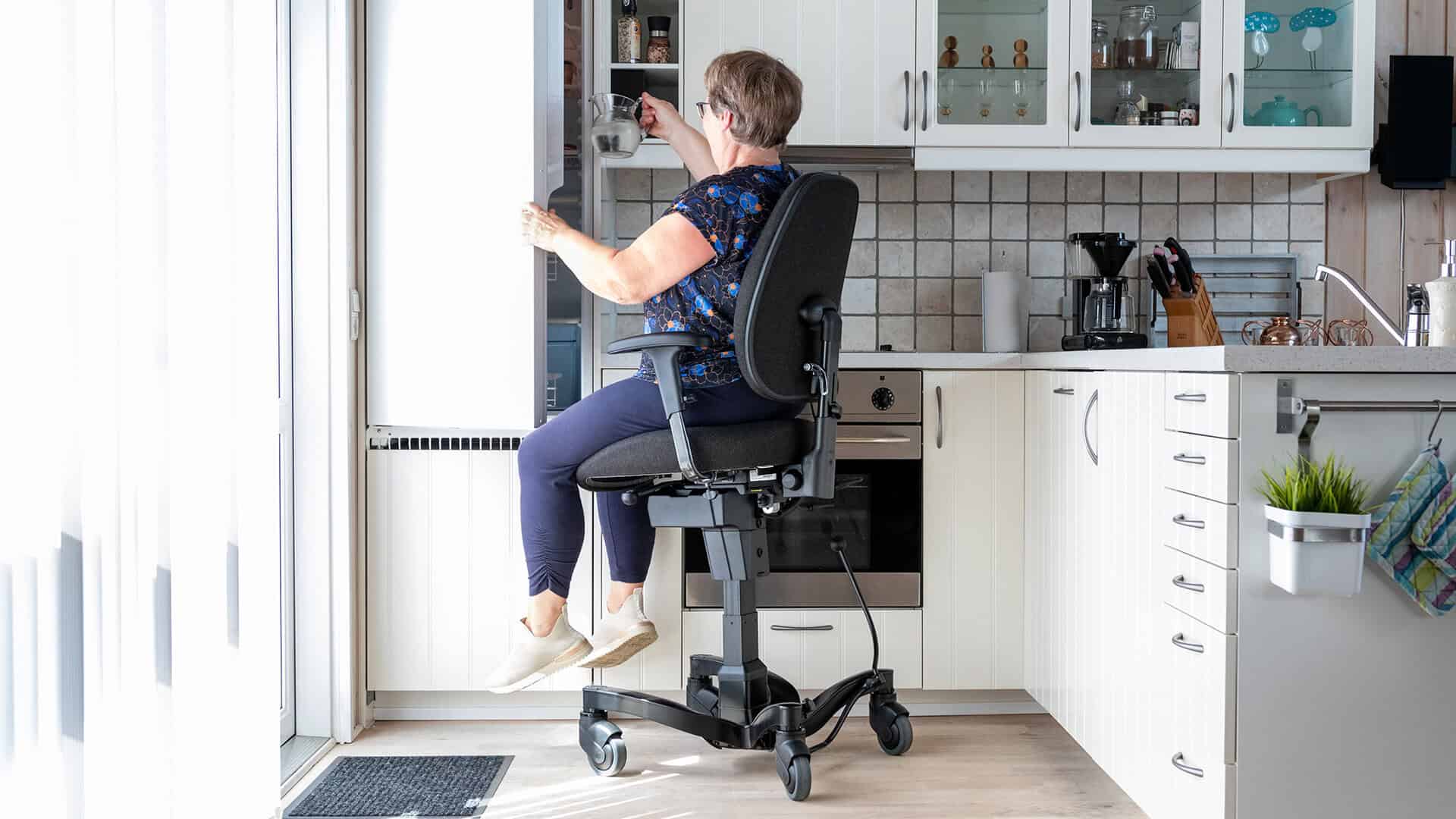
For many older adults, transitioning into a care facility can feel like a loss of independence and comfort. However, there are solutions that can help seniors remain in their homes longer and retain their autonomy. The VELA Independence Chair is one such solution—an innovative, medically approved mobility chair designed for use at home. It provides enhanced safety, freedom of movement while seated, and support for daily activities like cooking, dressing, or transferring—all while reducing the load on informal caregivers. Mobility support chairs for seniors offer practical and ergonomic designs that promote independence, thereby expanding the options of personalized care within one’s own living space.
Intelligent assistive walking devices and rehabilitation aids today may incorporate AI-based sensors and feedback systems to optimize mobility and reduce fall risk, offering more personalized, responsive support for seniors with varying mobility needs.[3]
For more on mobility support options, visit the VELA Chairs website, which outlines various products designed to assist elders, thereby fostering independent living in a supported environment. Real-world applications show that these aids significantly improve safety and functionality, enabling seniors like Henry to navigate his home safely despite limited mobility due to arthritis.
Ensuring Quality Through Comprehensive Care
In pursuit of optimum senior care, families must focus on the quality and compassion found in caregiving professionals. Selecting facilities with a high standard of care, compliant licensing, and appropriately trained staff can make a significant difference in care delivery. According to the Missouri Department of Health, ensuring that eldercare providers meet industry standards is critical for achieving the best outcomes. Facilities should adhere to rigorous training standards and maintain staffing ratios that ensure personalized and attentive care.
Emerging trends in senior care also involve the use of digital and mixed-reality rehabilitation technologies to support both cognitive and physical health. These solutions include gamified digital modules and universal design, enabling accessible participation for seniors, even those with limited digital skills.[5] Engaging older adults in the technology adoption process ensures a better match between actual needs and solutions, increasing the likelihood of positive outcomes and adoption longevity.[1]
Ultimately, making informed decisions about the appropriate type of care—whether home-based, community-centered, or specialized—will help families provide their loved ones with the dignity, independence, and support they deserve. By understanding and navigating the various senior care options responsibly, we can optimize the well-being of our aging population and address their unique challenges with empathy and expertise.