

Updated September 2025: We have updated the article with important new findings on advanced AI-powered mobility devices, next-generation health monitoring wearables, smart home integration, expanded telemedicine adoption, and resident engagement technologies in senior care. Discussion of technology adoption now includes current operational trends, regulatory challenges, and barriers such as interoperability and funding limitations.
Understanding Today’s Senior Care Needs: Demographics & Trends
The evolving landscape of senior care is underscored by the growing need for robust information and support systems. By 2025, one in six Americans will be aged 65 or older, highlighting an urgent demand for reliable resources, as projected by the US Census. Senior care blogs are crucial in navigating these demographic shifts, offering insights into the health challenges and lifestyle adjustments faced by the aging population.
Chronic conditions like diabetes and hypertension significantly shape the aging population trend. According to the Administration for Community Living, nearly 70% of Americans turning age 65 will require long-term care services at some point. Senior care blogs provide essential guidance and community support, offering practical advice and current information to aid in managing these conditions.
How to Choose Between Home Care, Assisted Living, and Nursing Homes
Selecting the most suitable care option for a loved one can be challenging. Home care, assisted living, and nursing homes each offer distinct differences in cost, levels of independence, and types of care. For example, the national average rate for non-medical home care services ranges from $28 to $33 per hour, as per NCHStats, while assisted living facilities can exceed $4,500 monthly.
When making this decision, factors such as specific healthcare needs, daily assistance levels, and living arrangement preferences are critical. A family’s decision-making process often involves balancing these aspects, as demonstrated by a case study where opting for home care in a familiar environment helped maintain a loved one’s dignity and independence while ensuring safety and well-being.
Managing Chronic Conditions at Home: Evidence-Based Practices
Home care blogs serve as a vital point of reference for evidence-based practices for managing chronic conditions like arthritis and Parkinson’s at home. Implementing ergonomic equipment and adaptive solutions is crucial in enabling seniors to maintain active and independent lives. The Journal of the American Geriatrics Society highlights that supportive seating can prevent secondary complications associated with immobility, showcasing the importance of ergonomic solutions.
Recent advancements include lightweight AI-powered exoskeletons that offer significantly improved stabilization, resulting in a 45% increase in walking stability compared to traditional walkers and a substantial reduction in falls.[1] Next-generation wearable health monitors now track cardiac rhythm, oxygen saturation, and early biomarkers for cognitive decline, enabling early interventions that decrease emergency hospitalizations by 30%.[1] These innovations allow seniors managing chronic conditions to stay safer and more independent at home.
Consider a scenario where a senior, using adaptive technology and home modifications, lives independently despite chronic mobility issues. By incorporating tools such as supportive seating and advanced wearable health monitors, this individual effectively manages daily challenges, preserving independence and supporting timely medical intervention when needed.
Innovations in Senior Mobility: Tools and Technology for Aging in Place
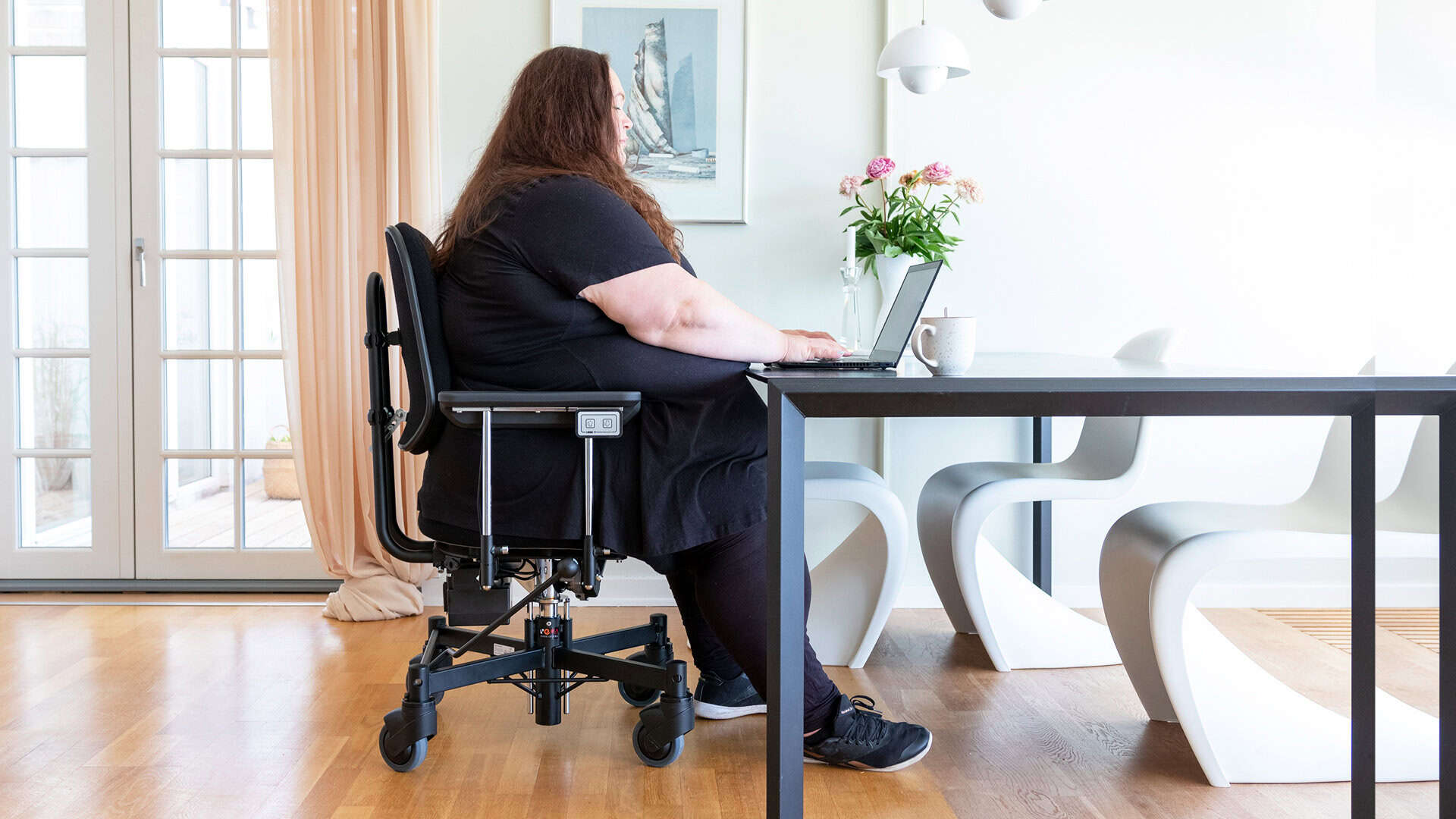
Advancements in mobility aids have significantly empowered seniors to age in place. Platforms like senior care blogs frequently showcase tools, such as VELA chairs, which enhance safety and independence at home through innovative designs. Cypress Homecare reports that 90% of seniors express a preference to remain in their own homes, emphasizing the necessity of effective mobility solutions.
Today’s innovations extend beyond mobility aids to include intelligent home systems employing AI and IoT to optimize lighting, temperature, medication reminders, emergency alerts, and remote monitoring.[1][3][7] The integration of these technologies enhances seniors’ independence and safety by proactively addressing health and environmental needs. Telemedicine and virtual healthcare have also become standard for many, providing expanded access, greater convenience, and timely expert intervention, particularly for seniors with mobility challenges.[3][5][7]
Transitioning from institutional care settings to maintaining independence at home presents numerous challenges, including safety and mobility issues. A practical solution to these challenges is the VELA Independence Chair. This medically approved mobility chair is designed for use at home, providing enhanced safety and freedom of movement while seated. It supports seniors in daily activities such as cooking, dressing, and transferring, while also reducing the burden on informal caregivers. This aligns well with the desire to stay independent and secure within one’s own home environment.
Senior care blogs now highlight not only equipment but also resident engagement technologies such as virtual reality, interactive apps, and secure video communication tools. These solutions help combat social isolation and support cognitive health, improving emotional well-being and quality of life.[7]
Operationally, care providers are increasingly leveraging AI-driven predictive analytics for care planning and staff scheduling, optimizing resources and improving patient outcomes. Despite these advances, widespread technology adoption still faces challenges including funding limitations, interoperability issues, data quality, and ensuring compatibility with existing infrastructure.[2][4][6][8] Addressing these barriers is key to making next-generation solutions accessible and scalable across senior living environments.
In the realm of senior care, blogs are invaluable, offering bespoke solutions and insights for a burgeoning aging population. Understanding demographic trends, choosing suitable care settings, and adopting innovative mobility aids and digital engagement solutions are essential for enhancing senior life quality. Home care options, distinguished by their adaptable and personalized support, are vital in managing chronic conditions. These blogs act as a lighthouse of knowledge, empowering families and caregivers to make informed decisions that prioritize seniors’ well-being and independence.
Reliable, evidence-based information is paramount in senior care, equipping seniors and their families to navigate care complexities efficiently, ensuring a dignified and quality experience in the later stages of life.
References:
- INTCO Medical: Top 5 Cutting-Edge Equipment for Seniors in 2025 (2025-07-09)
- CLAconnect: Senior Living Industry Trends 2025 (2025)
- Heisinger Bluffs Blog: The Future of Senior Living: Trends to Watch in 2025 (2025)
- Argentum & A Place for Mom: The State of Technology Adoption in Senior Living Report 2025
- Cyces Blog: AgeTech Trends 2025: AI, Robotics & the Future of Aging (2025)
- Argentum & A Place for Mom: The State of Technology Adoption in Senior Living Report 2025
- Caring Data Insights: Technology in Senior Care: How Innovation Is Transforming Care (2025-07-31)
- Argentum & A Place for Mom: The State of Technology Adoption in Senior Living Report 2025