

Updated September 2025: We have updated the article with new findings on advanced assistive technologies, including AI-driven health monitoring, smart home systems, wearables with fall detection, telemedicine, and wellness programs. The latest trends and regulatory considerations are now included to reflect the evolving landscape of senior care in Frederick County.
Understanding Frederick County’s Growing Senior Population
Frederick County, Maryland, is experiencing a notable surge in its senior population, emphasizing the critical importance of understanding local senior care needs. According to the U.S. Census Bureau, the elderly demographic in the region has grown by an astonishing 52% since 2010, reaching 39,399 individuals aged 65 and older by 2020. Additionally, the “oldest old” category (those aged 85+) is on track to expand by 261% by 2045. Such significant demographic shifts have pressing implications for senior care services in Frederick County, highlighting the need for adaptable and comprehensive care strategies.
As the community ages, the demand for robust and accessible care increases, necessitating innovative approaches to cater to the diverse needs of seniors. Services must evolve to address challenges associated with aging, such as chronic health conditions and mobility limitations. Projections indicating a doubling of the population aged 60+ by 2030 further stress the urgency for effective care solutions.
Government-Funded Senior Care Programs in Frederick
Frederick County offers several government-funded programs essential for supporting its elderly residents. The Senior Care Program and the Personal Care Program provide critical services, such as in-home assistance, at no cost for eligible seniors. According to the Frederick County Division of Aging and Independence, these programs are particularly designed for “frail, health-impaired older persons” and extend invaluable support through case management and service coordination.
Integrating Innovative Solutions for Aging in Place
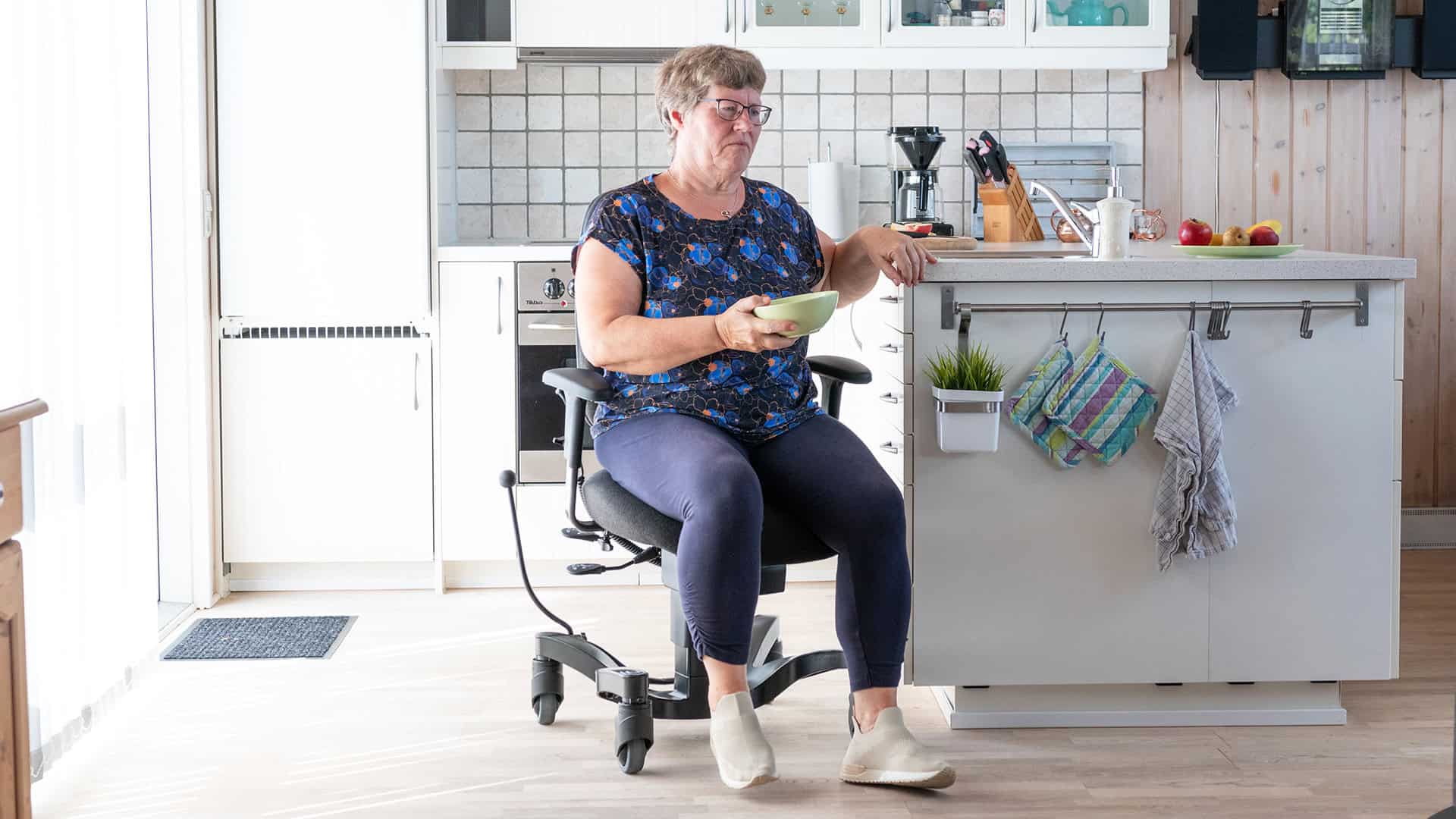
With the challenges of traditional nursing homes, many seniors and caregivers are looking for effective ways to remain independent at home. The increasing demand for aging in place has prompted the integration of solutions that address mobility and safety concerns directly within the home environment. One innovative solution is the VELA Independence Chair, a medically approved mobility chair designed for home use. It enhances home safety and offers freedom of movement while seated, supporting daily activities like cooking, dressing, or transferring, and significantly reduces the burden on informal caregivers.
Recent advances have expanded the options available for seniors aiming to age in place. Smart home systems now include voice-activated assistants, automated lighting, smart thermostats, and motion sensors, all of which can be tailored to meet the needs of those with mobility or cognitive challenges. These systems provide greater ease and safety for daily living, supporting independence while also offering peace of mind to caregivers. Additionally, wearable devices equipped with advanced fall detection, continuous health monitoring, and emergency alert capabilities allow for faster response times and early identification of health issues. Integration of these technologies is increasingly common in senior care environments across Frederick County, helping to support both physical well-being and quality of life.[1][3][4][8]
Planning for Future Care Needs in Frederick County
Strategic long-term care planning is essential for seniors in Frederick County. It involves critical consideration of housing, transportation, and health services to create a supportive environment conducive to aging. Insights from the Frederick County Needs Assessment guide the development of community resources that aid seniors in maintaining their independence.
Planning now also considers the integration of advanced assistive and digital health technologies. Telemedicine and virtual care platforms have become routine, enabling seniors to access healthcare providers and specialists without leaving their homes. AI-driven tools and software are utilized by healthcare professionals to analyze health data and behavioral trends, supporting proactive management and rehabilitation. These developments increase convenience and care continuity, further enabling successful long-term aging in place.[1][2][3][9]
Navigating the Future of Senior Care in Frederick County
Frederick County’s senior care landscape is shaped by its expanding elderly population and the need for adaptive, comprehensive care models. With focused efforts on home care options, government-funded programs, and solutions like VELA chairs, the county is dedicated to providing meaningful support to its senior residents. By utilizing resources from the Frederick County Department of Aging, seniors and their families can confidently navigate the complexities of aging, ensuring the community’s elders receive the care, respect, and dignity they deserve.
The widespread use of digital health tools brings important considerations for implementation. Challenges such as interoperability between devices, funding limitations, and the need for specialized training for both seniors and staff affect the speed and reach of technology adoption. Furthermore, privacy, regulatory compliance, and device safety remain priorities as monitoring, AI, and data-driven tools are increasingly utilized. Providers and policymakers in Frederick County are working to address these concerns, ensuring new technologies offer tangible benefits while upholding high standards of care.[2][4][6][7]
Wellness programs now go beyond traditional physical care, with initiatives that incorporate personalized health coaching, technology-supported cognitive health workshops, and socially engaging virtual platforms to foster well-being and combat isolation. These evidence-based interventions have shown promising outcomes in maintaining and improving both physical and cognitive function among seniors.[4]
Supporting Aging in Place: A Practical Option
VELA Chairs offer transformative benefits for seniors seeking to maintain their independence at home. These chairs are specifically designed to enhance safety, reduce the risk of falls, and provide comfort in everyday activities such as cooking and dressing. With features like a central brake for stability and electric height adjustability for easy transfers, VELA Chairs support the physical needs of seniors while also easing the caregiver’s role. Mobility solutions like VELA can delay the need for more intensive care environments like nursing homes by addressing critical issues such as safety, mobility, and energy conservation. This empowers seniors to enjoy a greater sense of dignity, freedom, and self-reliance, aligning with Frederick County’s goals of supporting its aging population in place. While VELA is not the only option, it’s a proven and practical solution among several chairs designed for seniors to maintain independence.
Sources
- Heisinger Bluffs “The Future of Senior Living: Trends to Watch in 2025”
- RBJ.net “Advancing senior living: A thoughtful approach to tech, research”
- CaringData.com “Technology in Senior Care: How Innovation Is Transforming Care”
- AlignSeniorCare.com “Senior Living Trends | 2025 Senior Health Trends”
- SeniorHousingNews.com “Argentum Technology Survey Identifies Top Trends, Barriers in Senior Living”
- AgeInPlaceTech.com “Caregiving in the US 2025 – More tech, but not as much as caregivers could use”
- Placitacare.com “How the 2025 Senior Tech Boom is Making Aging in Place Easier”
- Mindbowser.com “Elderly Care Technology: 6 Trends Shaping Home Health in 2025”