

Updated September 2025: We have updated this article to reflect new advances in assistive technologies, including integration of AI and smart home features into mobility aids, updated Medicare payment policies and Florida legislative changes, and recent trends in ergonomic and inclusive senior living design. The article now highlights modern West Palm Beach senior living projects, VR/AR in rehabilitation, and evolving preferences for integrated, socially connected senior care models.
Senior Care in West Palm Beach, FL: A Comprehensive Guide
West Palm Beach, Florida, is not only celebrated for its beautiful beaches and appealing climate but also serves as a retirement haven due to its significant elderly population. According to the U.S. Census Bureau, approximately 20.34% of the residents are aged 65 and older. This demographic trend highlights the need for varied senior care solutions in the area, ranging from living options to financial planning. Below, we delve into the senior care landscape, providing detailed insights to assist in selecting optimal facilities.
Exploring Senior Living Choices in West Palm Beach
In West Palm Beach, seniors can choose from several living arrangements, each designed to meet diverse preferences and care needs. Options include assisted living facilities, memory care communities, skilled nursing facilities, and independent living communities. Recent senior living projects such as The Watermark at West Palm Beach feature state-of-the-art amenities, advanced accessibility, and ergonomic design focused on comfort and inclusion. These communities increasingly integrate smart home automation and interconnected ecosystems, providing residents with AI-enhanced mobility aids and wearable health monitors for real-time tracking of vital signs and fall risks. For instance, one resident, John, experienced an improved quality of life after moving to assisted living, where he engaged more in social activities and enjoyed 24-hour support. Personalized environments like these encourage wellness and foster active aging, according to the Florida Department of Elder Affairs and recent developments reported by RabideauKlein.
Navigating the Financial Aspects of Senior Care in Palm Beach
Financial planning is critical for accessing and maintaining quality senior care. Resources such as Medicare, Medicaid, long-term care insurance, and veterans benefits are vital for Palm Beach County seniors. Since 2025, updates to Medicare’s Home Health Prospective Payment System and recent Florida legislative policies have further influenced access to home health services and coverage for assistive technologies, impacting care options in the region. Take Maria’s family, for example; they successfully used these financial options to transition her into a memory care facility that met her needs while staying within budget limitations. The Palm Beach County Elder Index provides essential financial benchmarks to assist families in making informed decisions. Additional updates can be found through resources from the Florida Home Care Association.
What to Look for in Senior Care Facilities in West Palm Beach
Selecting the right senior care facility requires careful evaluation of various factors such as staff credentials, safety measures, and available social programs. Today’s best facilities follow updated ergonomic and inclusive design guidelines, offering customizable and adjustable equipment that supports diverse needs, including cognitive and sensory impairments. Residents like Alice have significantly benefited from rigorous safety protocols, including emergency response systems, fall prevention measures, and digital health management—now more commonly integrated with wearable health monitors and remote care platforms. Rehabilitation programs may also leverage VR and AR to enhance physical therapy and outcomes. According to guidance from the Senior Care Authority, these criteria are crucial in choosing a facility that prioritizes health, security, and overall well-being. These trends are further supported by reports on integrated care models and wellness programs from Align Senior Care.
Transitioning from Nursing Homes to Home Independence Solutions
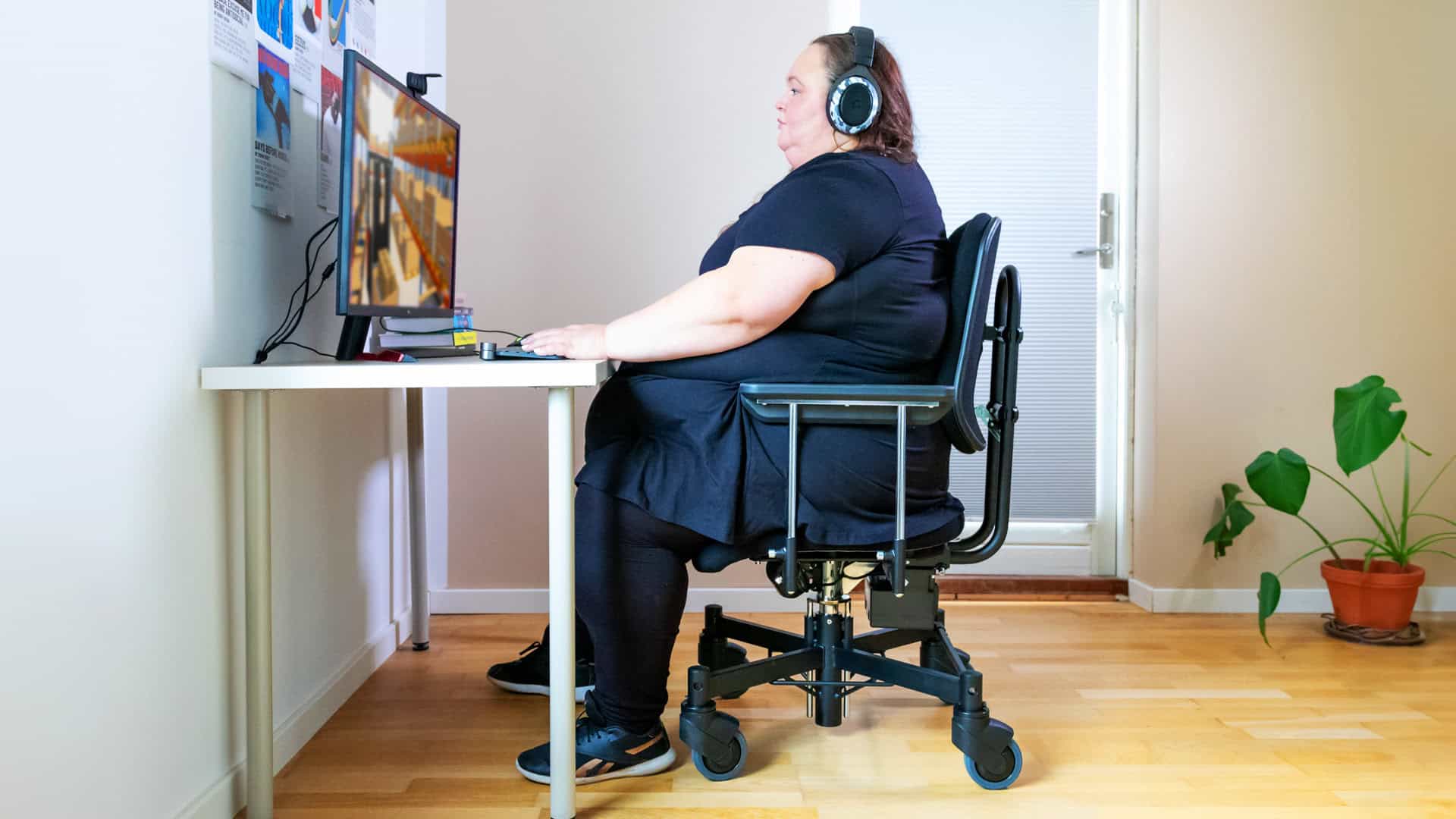
While traditional nursing homes provide essential care, many seniors prefer the comfort and familiarity of their own homes. Advances in assistive technology have made home-based independence more accessible, with mobility aids outfitted with smart home connections and AI-enabled features for rapid response and continuous monitoring. Maintaining independence at home can be both empowering and challenging, particularly when addressing mobility and safety concerns. Here, products like the VELA Independence Chair offer a practical solution. This medically approved mobility chair is specifically designed for at-home use, enhancing safety and freedom of movement while supporting everyday activities such as cooking, dressing, and transferring. By reducing physical strain on both seniors and their caregivers, the chair facilitates a more independent lifestyle and helps manage common home safety concerns. Interconnected devices and home-based digital health programs, now increasingly available through local Area Agencies on Aging, further support safe aging in place.
Supporting Aging in Place: A Practical Option
Juggling daily tasks without adequate mobility can precipitate a transition to nursing homes, but mobility solutions like VELA Chairs can change this narrative. These chairs are safe and comfortable for seniors by featuring a central brake for stability, electric height adjustments, and the ability to glide smoothly across various surfaces. Such features assist in cooking, cleaning, or relaxing, while preserving dignity and energy. Now, wearable health monitors and digital wellness programs—as implemented by Area Agencies on Aging—support seniors and caregivers with ongoing access to vital data and virtual workshops, increasing confidence and independence at home. With this added support, many seniors can remain in their homes longer, embracing the independence and quality of life that comes with aging in place. By easing the daily burden, VELA can also lighten the load for caregivers, presenting a harmonious balance between autonomy and safety. While not the only solution, VELA offers a proven approach to extend home dwelling time for those facing mobility hurdles.