

Updated September 2025: We have updated the article with new findings on the integration of smart home technology, AI-driven personalized care plans, telehealth, digital cognitive support tools, and holistic wellness trends in senior home care. Recent advancements in adaptive design, flexible care models, and digital engagement for seniors—especially those with reduced mobility—are now reflected throughout the article.
Optimizing Senior Independence through Home Care Solutions in Solon
As Solon, Ohio’s population ages, the demand for senior home care services has surged, reflecting the city’s evolving demographic needs. According to Data USA, 41.7% of residents are aged 50 years or older, accentuating the necessity for customized in-home care solutions. With an impressive median household income of $135,180 (Solon Statistics), many of Solon’s seniors possess both the resources and the preference to maintain their independence by aging in place, a choice further supported by Solon’s 84.8% homeownership rate.
Types of in-home care services available in Solon
Solon’s seniors have access to a broad spectrum of in-home care services tailored to meet various needs, from non-medical companionship to specialized memory care. According to Senior Living in Ohio, non-medical home care assists with daily activities such as meal preparation and light housekeeping, while specialized memory care provides bespoke support for those living with dementia or Alzheimer’s disease. These services ensure that Solon’s aging population can remain in familiar surroundings, preserving their quality of life by supporting both physical and cognitive health.
Recent advances have seen the adoption of smart home devices such as voice-activated assistants, automated lighting, smart thermostats, and wearable health monitors that provide real-time safety and health support for seniors, especially those with reduced mobility or disabilities. Telehealth and virtual healthcare consultations now allow seniors to manage chronic conditions, access mental health care, and interact with healthcare providers remotely. AI-powered personalized care plans have become more available, analyzing individual health data to proactively tailor care and assistance, further supporting independent living and reducing emergency risks. Digital cognitive support tools, including memory care apps and virtual reality experiences, are also increasingly being integrated into home care for dementia patients, enriching cognitive engagement and interactions (Heisinger Bluffs; Akind Heart; Juniper Communities; Amada Senior Care).
Comparing costs: home care vs. facility-based care in Solon
The financial considerations of senior care in Solon are significant for many families. Home care often serves as a more cost-effective option compared to facility-based care. According to Solon Statistics, the costs of home care typically fall between those of independent living and assisted living, striking a balance that offers affordability without sacrificing quality. For instance, the average monthly cost for home-based care is generally lower than the $4,473 average cost for assisted living. This economic advantage, paired with the comfort of aging at home, makes home care the preferred choice for many.
Flexible and community-centered care models are increasingly available, including continuing care at home programs and intentional co-housing solutions, particularly valuable for solo-aging seniors who may not have family support. These approaches address both care needs and affordability, helping to reduce financial burden while fostering social connection (Align Senior Care).
How to evaluate home care providers in Solon
Selecting a home care provider in Solon requires evaluating credentials and service quality rigorously. Key evaluation criteria include:
- Accreditations and licensing: Verify that the provider is licensed and accredited by local and state health authorities.
- Staff qualifications: Assess the training, certification, and experience of caregivers.
- Reputation and reviews: Consult reviews from other families and examine public ratings for insights into provider reliability.
Additionally, it is crucial for a provider to adapt to scenarios involving unexpected health declines. According to SNF Data, understanding how providers manage such changes ensures informed decision-making.
Modern home care services increasingly utilize digital and AI-powered efficiency tools to enhance care coordination, monitor health status, and support timely interventions. While these technologies are demonstrating moderate direct benefits to care quality, challenges with technology interoperability and data quality remain. Families are advised to ask providers about their use of technology and digital care management, as well as support for integrating smart home solutions (Senior Housing News).
Integrating adaptive solutions
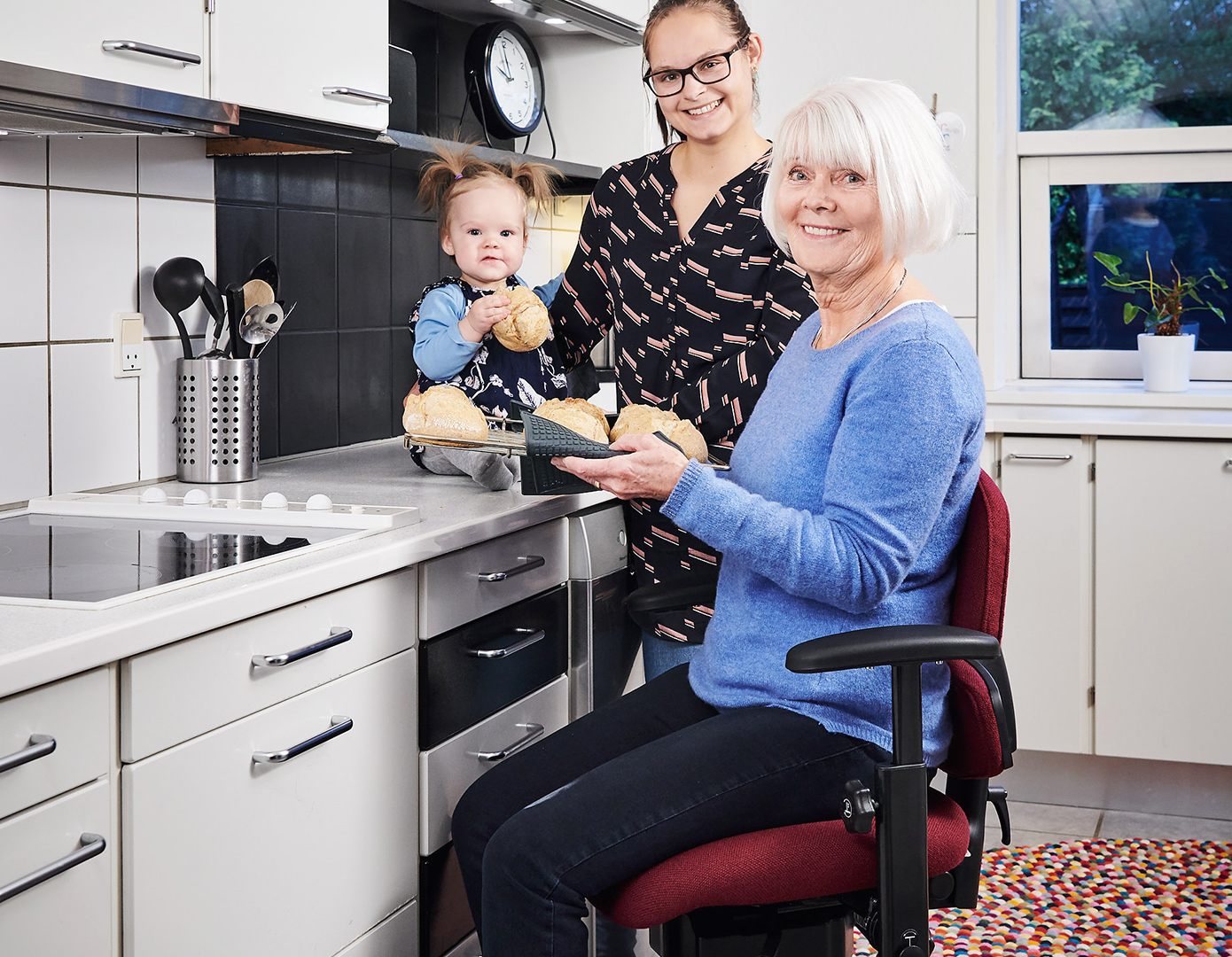
Integrating adaptive solutions such as the VELA Independence Chair helps address the challenges that come with nursing home care. This transition is vital for seniors who wish to remain in their homes, enhancing their autonomy while bringing peace of mind to families. The VELA Chair, a medically approved mobility aid, is specifically designed for home use, offering increased safety, mobility, and support in daily activities like cooking, dressing, and transferring. This reduces the burden on informal caregivers, all while preserving the dignity and independence of aging adults.
Recent innovations in ergonomic and inclusive design have improved the functionality and comfort of such equipment, helping to create wellness-centered home environments. Memory care plans now often include sensory-friendly layouts and assistive devices adapted to individual needs, supporting both cognitive function and emotional well-being. Holistic care trends have expanded, with programs addressing mental and emotional health—such as mindfulness, accessible fitness, nutrition for longevity, and digital platforms to foster social connections—now being an integral part of modern senior care (Juniper Communities; Right at Home).
The introduction of solutions like the VELA Independence Chair offers a practical means for seniors to maintain independence and defer the need for nursing home care. With features such as a central brake for enhanced safety, electric height adjustability to manage energy expenditure, and smooth movement for easy navigation, VELA Chairs create a supportive home environment. These chairs facilitate routine tasks, enabling seniors to engage comfortably in activities like meal preparation, light cleaning, and relaxing, thereby protecting their autonomy and dignity. While they are not the only option, such empowered mobility solutions have proven effective in promoting safer and more independent lifestyles for the elderly.
- Heisinger Bluffs, “The Future of Senior Living: Trends to Watch in 2025” — https://www.hbrhc.com/blog/the-future-of-senior-living-trends-to-watch
- Akind Heart, “Top In-Home Care Trends For Seniors In 2025” — https://akindheart.info/articles/top-in-home-care-trends-for-seniors-in-2025/
- Right at Home, “2025 Trends for Seniors: Health, Technology, and Wellness” — https://www.rightathome.net/pierce-county/blog/2025-senior-trends
- Juniper Communities, “Senior Living Trends in 2025” — https://junipercommunities.com/senior-living-trends-in-2025/
- Amada Senior Care, “Trends and Innovations in Senior Care” — https://www.amadaseniorcare.com/2025/01/trends-and-innovations-in-senior-care/
- Align Senior Care, “Senior Living Trends to Look Out For” — https://alignseniorcare.com/senior-living-trends-to-look-out-for/
- Senior Housing News, “Argentum Technology Survey Identifies Top Trends, Barriers in Senior Living” — https://seniorhousingnews.com/2025/07/01/argentum-technology-survey-identifies-top-trends-barriers-in-senior-living/