

Updated January 2026: We have updated the article with new findings reflecting the shift towards AI-driven predictive care, privacy-preserving edge computing, unified continuum platforms, and next-generation assistive and rehabilitative technologies that emphasize dignity, staff efficiency, and holistic wellness in senior living.
Senior Living Continuum of Care: Navigating Aging with Grace and Support
As our society ages, the concept of a “senior living continuum of care” has gained importance in addressing the complex, evolving needs of older adults. According to the CDC, approximately 80% of older adults have at least one chronic disease, and 77% have at least two, highlighting the necessity for integrated care services that provide a spectrum of support options, ranging from independent living to skilled nursing. Research published in the Journal of Aging Studies indicates that these communities empower seniors to maintain independence longer while reducing hospitalizations and disruptions.
Understanding the senior living continuum of care
The senior living continuum of care exemplifies a strategic approach to aging in place by delivering multiple levels of support within a single community. This blended and increasingly data-personalized model enables residents to transition as their needs change, with unified AI platforms supporting seamless, proactive interventions rather than relying on traditional, rigid care level boundaries. According to Kendal on Hudson, “Multiple levels of support within one community allow residents to age in place,” providing peace of mind for both seniors and their families.
With new AI-driven platforms, the continuum of care is increasingly integrated across the care experience, allowing for predictive interventions and reduced care disruptions as needs evolve, rather than moving through siloed service levels.
Sources: K4Connect, Helpany, Senior Housing News.
For example, consider Jane, who initially joins a continuum of care community due to its appealing independent living amenities. Over time, as Jane’s healthcare needs increase, she smoothly transitions to assisted living and eventually skilled nursing care within the same familiar environment. This flexibility ensures that residents remain comfortable and secure without leaving their community.
Key phases: from independent living to skilled nursing
The senior living continuum typically begins with independent or active living, where residents enjoy a self-sufficient lifestyle. With the growing presence of AI and unified data platforms, transitions across the continuum are now less about relocating physically and more about adapting personalized supports in place—whether through digital monitoring, preventive care, or virtual rehabilitation. Platforms use behavioral monitoring, sensor networks, and predictive analytics to decrease the need for disruptive moves and intervene proactively. Each phase continues to provide tailored support to the individual’s specific health conditions through holistic, resident-driven and technology-enabled approaches. According to MyLifeSite, the continuum encompasses “the increasing intensity of healthcare services that a person may need as they age.”
A practical scenario involves Jack and Mary, a couple residing in a Continuing Care Retirement Community (CCRC). While Mary receives memory care due to cognitive decline, Jack continues to live independently. The structure of their CCRC supports their differing needs while allowing them to stay close, promoting emotional support and continuity.
Financial models and contracts: what to expect
Understanding financial commitments upon entering a continuum of care community is crucial for prospective residents. Communities typically offer various financial models, including entrance fees and different contract types. Acts Retirement–Life Communities highlights the comprehensive range of services CCRCs offer, spanning independent living to skilled nursing care within the same location.
Financial planning becomes essential as residents choose between Type A (extensive), Type B (modified), and Type C (fee-for-service) contracts, each impacting costs and services differently. Thorough consultation helps seniors select the best plan according to their long-term care expectations and budget.
The role of assistive devices and technology in aging-in-place
Senior living continues to evolve through rapid technological advances that improve independence, mobility, dignity, and wellness. The latest innovations now focus on AI-powered predictive care, efficient staffing tools, and privacy-preserving solutions that provide highly personalized support.
- Edge AI and ambient sensors: Camera-free, edge-based sensors and learned-path lighting systems are now common, supporting discreet fall prevention, nighttime mobility, and environmental safety (such as auto-shutoff stoves), all while protecting resident privacy and data.
- Adaptive robotics and transport: Mobile service robots and robotic transporters are being integrated for both safe mobility and practical support in daily tasks, proven to deliver improvements in staff efficiency and resident ROI, especially in dining and movement within communities.
- Personalized rehabilitation and cognitive/mobility training: AI-guided gait analysis, telehealth-integrated wearables, and virtual/augmented reality (VR/AR) platforms now deliver highly tailored, inclusive rehabilitation and cognitive training programs, facilitating engagement for a wider spectrum of abilities.
- Dignity and holistic wellness: Innovations like non-invasive waste-analysis toilets, advanced medication management, and automated monitoring platforms are implemented with a focus on preserving resident dignity and fostering holistic well-being, from nutrition to mental health.
- Workforce support and interoperability: AI-driven platforms automate administrative and care coordination tasks, helping communities to address workforce shortages and ensure seamless experiences across the continuum, aligning with the ongoing industry shift to integrated, value-based care.
Recent regulatory emphasis and resident feedback have driven the adoption of privacy-first AI and camera-free monitoring, with unified tech platforms enabling proactive, person-centered intervention, and inclusive social participation through tools like social VR and digital engagement programs.
Sources: K4Connect, Distinctive Development, Advanced Nursing Care, CCL Healthcare Group, Gensler, LifeLoop, Senior Housing News, Next Avenue, Helpany.
Supporting aging in place: a practical option
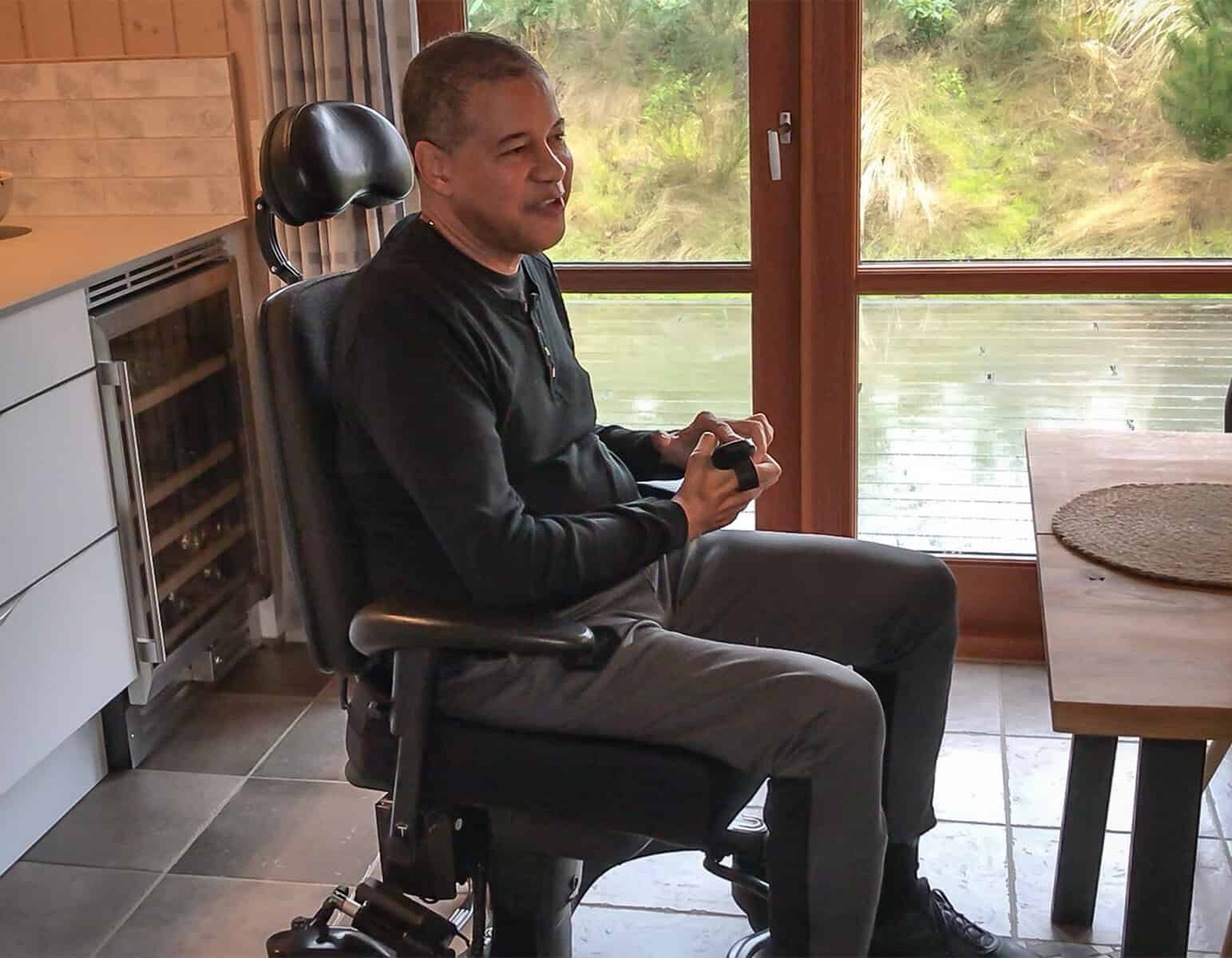
Mobility solutions like the VELA Independence Chair can significantly extend a senior’s ability to live independently at home. Its features address vital concerns such as safety, energy conservation, and ease of movement, potentially delaying the necessity for nursing home care. As the drive toward aging in place is enhanced by new technologies, solutions like VELA now operate alongside AI-powered and ambient systems, robotic supports, and holistic digital engagement platforms. The chair’s central brake offers safety, while electric height adjustability and smooth mobility enhance day-to-day comfort and functionality. By painting a vivid picture of life with the VELA Chair, older adults experience enhanced dignity and freedom, tackling everyday tasks such as cooking, cleaning, and relaxing with increased ease. While not the only solution, the VELA chair remains a proven, practical option for supporting Senior Living Assistance and Preventing Falls in Senior Care, providing much-needed aid for seniors aiming to age gracefully in their familiar environments.