

Updated September 2025: We have updated the article with new insights on advanced health monitoring wearables, AI-driven mobility devices, smart home integration, telemedicine, and companion robotics. The content now reflects the most current trends in assistive technology and home care for seniors, emphasizing smart, connected, and user-centered solutions that enhance independence and caregiver support.
Understanding the Increasing Demand for Home Care Services
As the population ages, the demand for comprehensive home care services becomes increasingly significant. In South Florida, this demand emphasizes the essential role played by senior care providers like senior nannies home care services. According to the U.S. Census Bureau, there were 55.8 million U.S. adults aged 65 and older in 2020. Experts project that the need for assisted living services will more than double by 2040. With nearly one-third of Americans having caregiving experience, the necessity for professional home care is undeniable.
The Role of Senior Nannies in South Florida’s Elderly Care Landscape
Senior nannies home care services has been serving the South Florida community for over a decade. This company stands out with its commitment to providing high-quality care throughout Dade, Broward, and Palm Beach counties. According to Senior Nannies, their caregivers are not just employees but integral parts of their clients’ daily lives. For instance, a caregiver in Fort Lauderdale might start the day by preparing a nutritious breakfast tailored to a client’s dietary needs, followed by medication management and an organized walk in a nearby park to stimulate physical and mental health. These specialized daily routines ensure that seniors can age gracefully in the comfort of their homes, reflecting real-world caregiving scenarios that promote well-being.
Emerging Trends in Senior Living for 2025
The field of senior care is experiencing rapid advances through the integration of assistive technology, smart home systems, and innovative care models. As of 2025, personalized care and health-centric approaches leverage new digital tools for enhanced wellness and independence. The adoption of advanced wearable health monitors—which are now capable of tracking a broad range of metrics such as heart rhythm, blood oxygen, cognitive markers, and fall detection—reduces emergency hospitalizations through early warning and intervention. These wearables, including devices like the Apple Watch, can trigger safety alerts autonomously, even if the user is unable to react, adding an important layer of protection.[1][5]
Robotic mobility supports, such as lightweight AI-driven exoskeletons and smart wheelchairs, offer features like GPS navigation, collision avoidance, and personalized adaptation to user behavior, resulting in significant improvements in walking stability and daily mobility.[1][3] Smart home adaptation now goes beyond basic modifications: integrated systems include intelligent motion sensors, automated lighting, temperature control, and emergency alerting, providing seniors and caregivers with tools for both safety and remote monitoring.[1][2][6]
Telemedicine and virtual care are standard, allowing for routine and specialist healthcare consultations without the need for travel.[2][6] In addition, companion robots and social engagement technologies are helping to address loneliness, support cognitive health, and ease the daily burden on caregivers, reflecting a shift toward holistic, technology-enabled senior living.[4][6]
Career Opportunities and Salaries at Senior Nannies
Working in senior care not only provides personal fulfillment but also offers substantial career paths. At Senior Nannies, employees enjoy competitive salaries and excellent working conditions. According to Indeed, caregivers earn approximately $15.97 per hour, while visiting nurses can earn up to $64.71 per hour. These roles offer valuable experience and professional growth, as shown by a CNA in Miami who begins the day with patient care duties, participates in staff training to stay updated on care techniques, and concludes by documenting daily observations to share insights with a multidisciplinary care team.
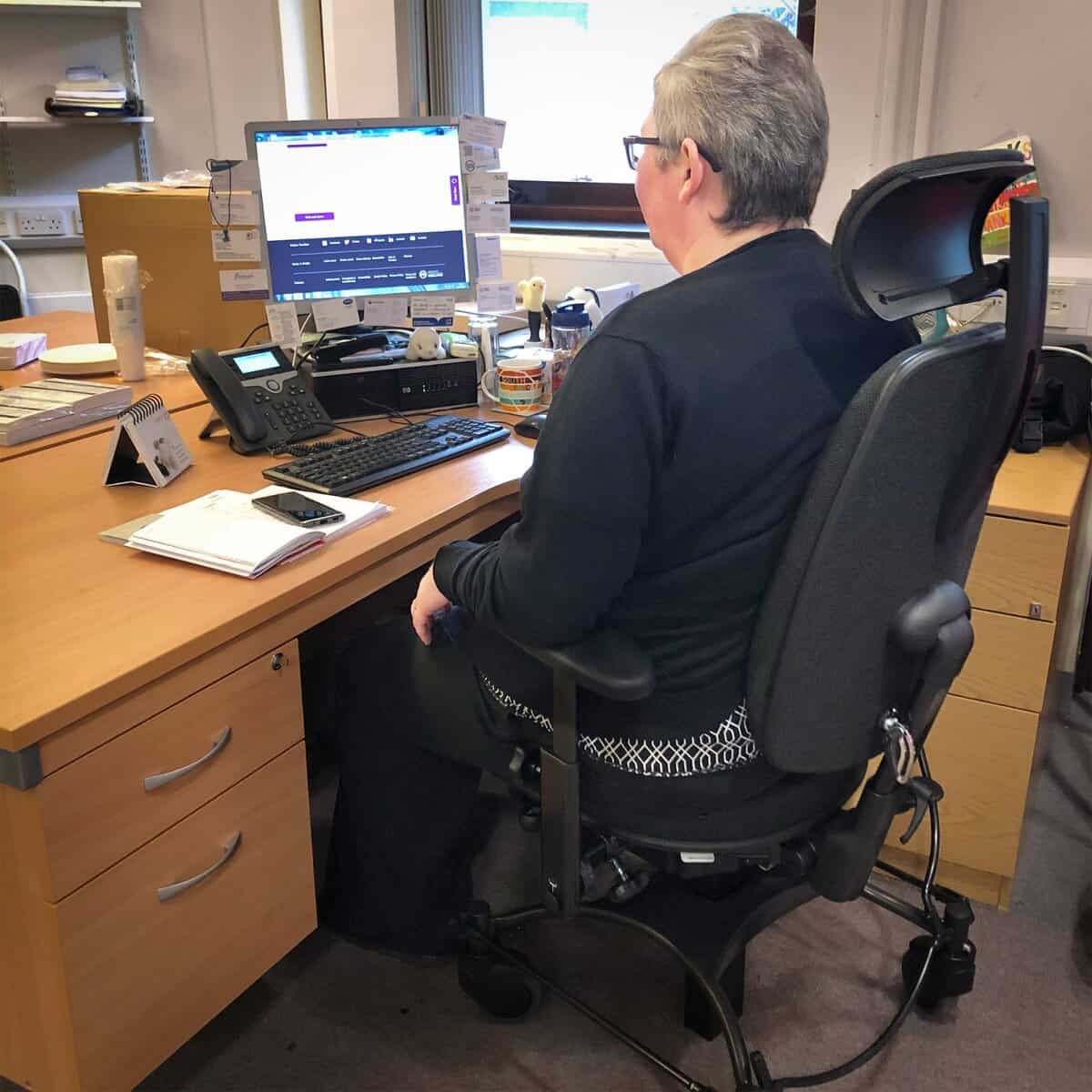
In the modern landscape, transitioning individuals away from nursing home facilities to aging peacefully within their own homes remains a significant priority in elder care today. The challenges associated with institutional care, such as limited personal freedom and the risk of isolation, amplify the need for effective home-based solutions that leverage technology for improved safety, autonomy, and proactive health monitoring.[1][5] The VELA Independence Chair exemplifies advanced assistive devices now available, offering safety and enhanced freedom of movement for seated activities like cooking and dressing. This and similar technologies not only reduce the burden on caregivers but also promote autonomy and minimize the need for full-time nursing home care.
Evaluating Senior Care Options in South Florida
Given the growing need for personalized home care services and the emergence of new technologies, senior nannies home care services stands out as a noteworthy option for families in South Florida. They offer a high standard of care aligned with the latest trends in wellness, smart home integration, and customization. According to Caring.com, selecting the right service involves examining transparency, trust, and the ability to meet individual client needs effectively.
As the elderly population in the U.S. expands, market decisions will be driven by the adoption of personalized, technologically advanced, and wellness-oriented care models. Senior Nannies strategically positions itself within this landscape by delivering compassionate, tailored care solutions that help seniors maintain dignity and independence. For families seeking reliable, professional home care services in South Florida, Senior Nannies offers a robust blend of experience, dedication, and innovation that aligns with the latest industry developments.[2][6][7]
Supporting Aging in Place: A Practical Option
The use of the VELA Mobility Chairs for Seniors extends beyond basic assistance, offering a sophisticated approach to supporting independence at home. These chairs now often integrate sensor technology and ergonomic design features such as central brakes, electric height adjustability, and enhanced maneuverability. Such advancements are emblematic of a broader trend toward user-centered, adaptive solutions.[3][7] These functional improvements significantly impact daily life, providing the confidence and autonomy needed for seniors to safely move about their home and participate in household activities with minimal external assistance.
This practical solution not only augments freedom and dignity for the elderly—effectively delaying the need for nursing home placement—but also alleviates caregiver strain by allowing for remote monitoring and proactive support when combined with modern smart home and wearable technology.[1][2][5] While VELA offers a proven, practical tool, it is now part of an expanding array of digital and AI-enabled support options that respect seniors’ emotional, psychological, and functional needs, reinforcing the growing ability and choice for many to age in place.
Sources:
- INTCO Medical: Review of cutting-edge 2025 assistive technologies, including wearables, robotic mobility, and smart home systems, with references to recent clinical studies[1].
- Harvard Business Review Health Care (HBRHC): Analysis of smart home tech, telemedicine, and wearable integration in senior living communities[2].
- Everything Medical Online: Overview of 2025 mobility aid innovations, including smart wheelchairs and AI-powered adaptive devices[3].
- Edens Senior Healthcare: Trends in home-based and community-centered care, companion robotics, and technology-driven independence[4].
- St. John’s Senior Services (via Rochester Business Journal): Insights on AI in senior care, operational impact, and the balance of innovation with empathy[5].
- Caring Data: Practical impacts of telehealth, smart home devices, and resident engagement technologies on care quality and emergency response[6].
- Age in Place Technology: CES 2025 highlights on new health and aging tech, including AI and home care applications[7].