

Updated September 2025: We have updated the article with new findings on AI-powered assistive technologies, smart home and wearable systems, trends in ergonomic and inclusive design, and updated recommendations regarding digital literacy, user-friendly solutions, and privacy in technology-enabled senior care.
Sustaining Quality Care for America’s Aging Population
As the American population ages, the pressing need for senior quality care becomes increasingly evident. By 2050, the number of seniors aged 65 and above is expected to increase by 47%, reaching approximately 82 million people. This demographic shift continues to be a key driver for the heightened demand for quality care services. Nearly 95% of seniors already manage at least one chronic health condition, underscoring the importance of comprehensive care solutions. According to America’s Health Rankings® 2025 Senior Report, these statistics highlight the crucial nature of planning for an unprecedented future in elderly care.
Evolving Dynamics in Senior Quality Care
The landscape of senior care is undergoing significant changes, influenced by the growing elderly population and their preference for remaining at home. Approximately 92% of seniors express a desire to age in place, valuing the comfort and familiarity of their own homes over institutional care settings. Such preferences critically shape the future of the care industry, as families increasingly opt for home renovations over transitions to assisted living facilities. Market projections from McKnight’s Senior Living suggest substantial growth in this sector, alongside evolving regulatory challenges.
Key Elements in Delivering High-Quality Senior Care
- Personalized Care Planning and Continuity: Ensuring that care plans are tailored to individual needs and maintained consistently across different settings. Experience shows that regular adjustments to care plans can significantly enhance the well-being of patients.
- Caregiver Support and Technological Integration: Providing resources for caregivers, coupled with the deployment of technology, enhances care management and quality. As reported by Cypress HomeCare Solutions, technologies such as fall detection systems have proven beneficial for monitoring the well-being of elderly loved ones, profoundly impacting their safety and independence.
- AI-Powered Assistive Technologies and Digital Literacy: The integration of artificial intelligence into assistive devices allows for adaptive and personalized support, learning from user behavior and adjusting to evolving needs. There is also growing emphasis on digital literacy programs to ensure seniors and caregivers can adopt and benefit from these technologies. Plug-and-play and easy-to-use systems, supported by regulatory guidelines, are increasingly encouraged to maximize accessibility and minimize caregiver burden.[1][3][5][7]
The integration of these elements enables families to effectively address the unique challenges of caring for aging relatives, fostering an environment where seniors can thrive.
Navigating Financial Challenges in Senior Care
Economic challenges significantly influence access to quality senior care. For example, poverty rates among seniors increased to 14.1% in 2022, exacerbating financial hurdles. State assistance programs and affordable care plans are critical resources for many seniors. According to Premier Healthcare, comprehensive data reveals cost-effective care strategies that support low-income seniors receiving essential home care services, demonstrating the vital role of such offerings.
Enhancing Independence with Adaptive Equipment
The shift towards home-based care solutions necessitates the integration of adaptive equipment designed to support independence. Implementing mobility aids can offer a safer and more secure living environment for seniors, facilitating daily activities and allowing seniors to maintain autonomy while minimizing fall risks. For example, some caregivers have observed that by introducing adaptive equipment, seniors have been able to perform tasks independently, enhancing their quality of life.
Recent advancements include the adoption of AI-powered mobility devices, smart home systems with voice controls, and wearables that monitor health and provide real-time alerts. These tools are designed with ergonomic and inclusive principles to support comfort and ease of use for seniors.[1][2][3][4][5][7] Adaptive clothing and intelligent mobility aids like AI-enhanced smart glasses and e-bikes also contribute to aging in place, increased autonomy, and improved safety for older adults.[2][4][7]
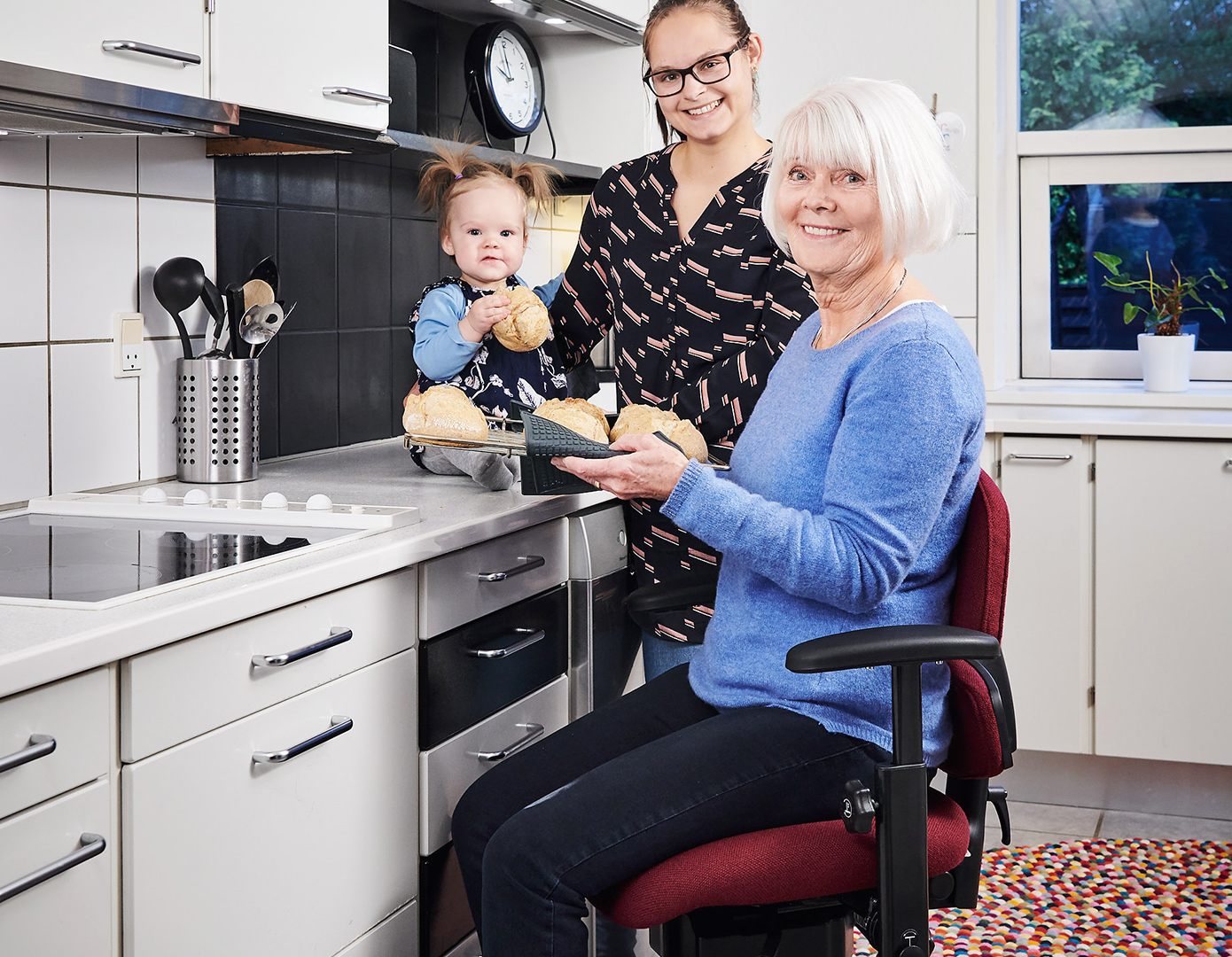
Recognizing the challenges associated with institutional care settings, such as nursing homes, many families seek solutions that empower older adults to remain independent within their own homes. One such solution is the VELA Independence Chair, a medically approved mobility chair engineered for at-home use. By providing enhanced safety, freedom of movement while seated, and support for daily activities like cooking, dressing, or transferring, the VELA chair alleviates the physical demands placed on informal caregivers. This ensures that seniors experience a greater sense of autonomy and security in their everyday lives.
Exploring Alternatives to Nursing Homes
In the pursuit of maintaining independence and delaying the need for nursing home care, mobility solutions like the VELA Independence Chair have proven invaluable. These chairs cater specifically to the safety and mobility needs of seniors by incorporating features such as a stable base and adjustable height. Key elements such as a central brake system ensure the user’s safety, while electric height adjustability allows for seamless transitioning between different activities. The VELA chairs promote dignity and self-reliance by enabling seniors to perform everyday tasks—like cooking and cleaning—with greater comfort and security. In contrast, life without such support tools often leads to increased dependence on caregivers and accelerated transitions to institutional settings. By prioritizing fall prevention with mobility solutions, seniors can enjoy a higher quality of life, characterized by dignity, freedom, and the ability to age gracefully in the location they prefer. While VELA is not the sole solution in this space, it exemplifies a practical and proven option for today’s aging population.
Emerging Trends and Ethical Considerations in Technology-Enabled Care
Surveys indicate that older adults increasingly expect technology to support independence and simplify daily routines.[7] However, alongside the benefits of AI-powered solutions, experts highlight the need to address privacy, scalability, and equitable access. Industry best practices emphasize ensuring data security, affordability, and the design of intuitive interfaces so that seniors of all backgrounds can fully benefit from these innovations.[5][7]
Clinical recommendations support the use of smart home platforms, telehealth integration, and plug-and-play assistive devices—backed by digital literacy training for both caregivers and seniors—to maximize uptake and ease of use in the home care environment.[1][3][5]