

Updated September 2025: We have updated the article with the latest advancements in AI-assisted remote monitoring, integrated sensor technologies, and interdisciplinary approaches at Stanford, as well as new guidelines and policy shifts encouraging personalized in-home care for seniors.
Stanford Senior Care: Comprehensive Analysis and Expert Insights
Exploring the evolving landscape of senior care in the San Francisco Bay Area highlights Stanford Senior Care as a pivotal provider. Renowned for delivering specialized services tailored to older adults, their approach focuses on interdisciplinary and comprehensive healthcare, vital for addressing increasing challenges such as rising dementia prevalence. With populations in Santa Clara and San Mateo counties expected to see significant increases in demand for senior care services, Stanford’s programs become indispensable.
Exploring Stanford’s Diverse Senior Care Services
Stanford Senior Care offers a range of options catering to the unique needs of the aging population. These range from clinic-based care focusing on primary health assessments to innovative home-based services designed to ensure accessibility despite seniors facing mobility or memory challenges. Eligibility for such services is often prioritized for those with significant barriers to traditional healthcare access. According to Stanford Health Care’s Senior Care Clinic, these services prioritize personalized approaches, underscored by real-life scenarios such as comprehensive at-home care for seniors with dementia.
Integrating AI-Assisted Remote Monitoring and Sensor Technology
Recent developments at Stanford and comparable institutions have led to the adoption of advanced AI-assisted remote monitoring systems and integrated sensor technologies to support independent living among older adults. These technologies include multi-sensor systems capable of detecting clinically relevant activities, such as falls, changes in mobility, medication adherence, and vital signs. The collected sensor data is interpreted through AI to enable real-time, non-intrusive monitoring and timely interventions. This approach significantly enhances personalized care, allowing seniors to remain in their homes while reducing the need for institutionalization.
For more on Stanford’s AI and sensor research in senior care:
Stanford Partnership in AI-Assisted Care [3].
Bringing Healthcare Home: Stanford’s In-Home Care Program
Stanford’s in-home care initiative embodies the delivery of healthcare expertise directly to the patient’s environment. This program mainly serves Santa Clara and San Mateo counties (with specific geographic limits) and emphasizes conditions such as heart failure and memory disorders. Enrollment involves referrals and evaluations to tailor care efforts to each individual’s needs. Home visits routinely include urgent care assessments and the development of customized care plans, providing a smooth transition from hospital discharge to home recovery. According to Stanford Home-Based Senior Care Program, home visits are an integral part of their approach. In recent pilot projects like the Onlok home-care program, integration of sensor-based remote monitoring further streamlines care in real-world settings [3].
Empowering Caregivers Through Stanford’s Support Initiatives
Recognizing caregivers’ indispensable role, Stanford offers robust support through education and support groups. Their resources are designed to help caregivers navigate the complex healthcare system, providing both emotional support and practical assistance. Stanford Medicine’s Caregiver Program notably highlights the experiences of caregivers managing chronic illnesses, underscoring the sustenance derived from shared experiences in support groups. The integration of AI-driven care solutions has also been shown to help reduce caregiver burden by providing timely alerts and assistance for daily activities [3][7].
Specialized Care for Memory Disorders and Chronic Conditions
Stanford’s approach to managing memory disorders, such as Alzheimer’s, integrates specialized care models prioritizing medical and cognitive health. Streamlining transitions from hospital to home is a focus, ensuring continuity of care. Case studies from Stanford’s Older Adult and Family Center demonstrate how coordinated care transitions reduce caregiver burdens and enhance patient outcomes. Recent advances in interdisciplinary collaboration—bringing together geriatrics, rehabilitation, bioengineering, and artificial intelligence—are maximizing the effectiveness of personalized care plans for chronic and cognitive conditions [7].
Addressing Senior Independence at Home
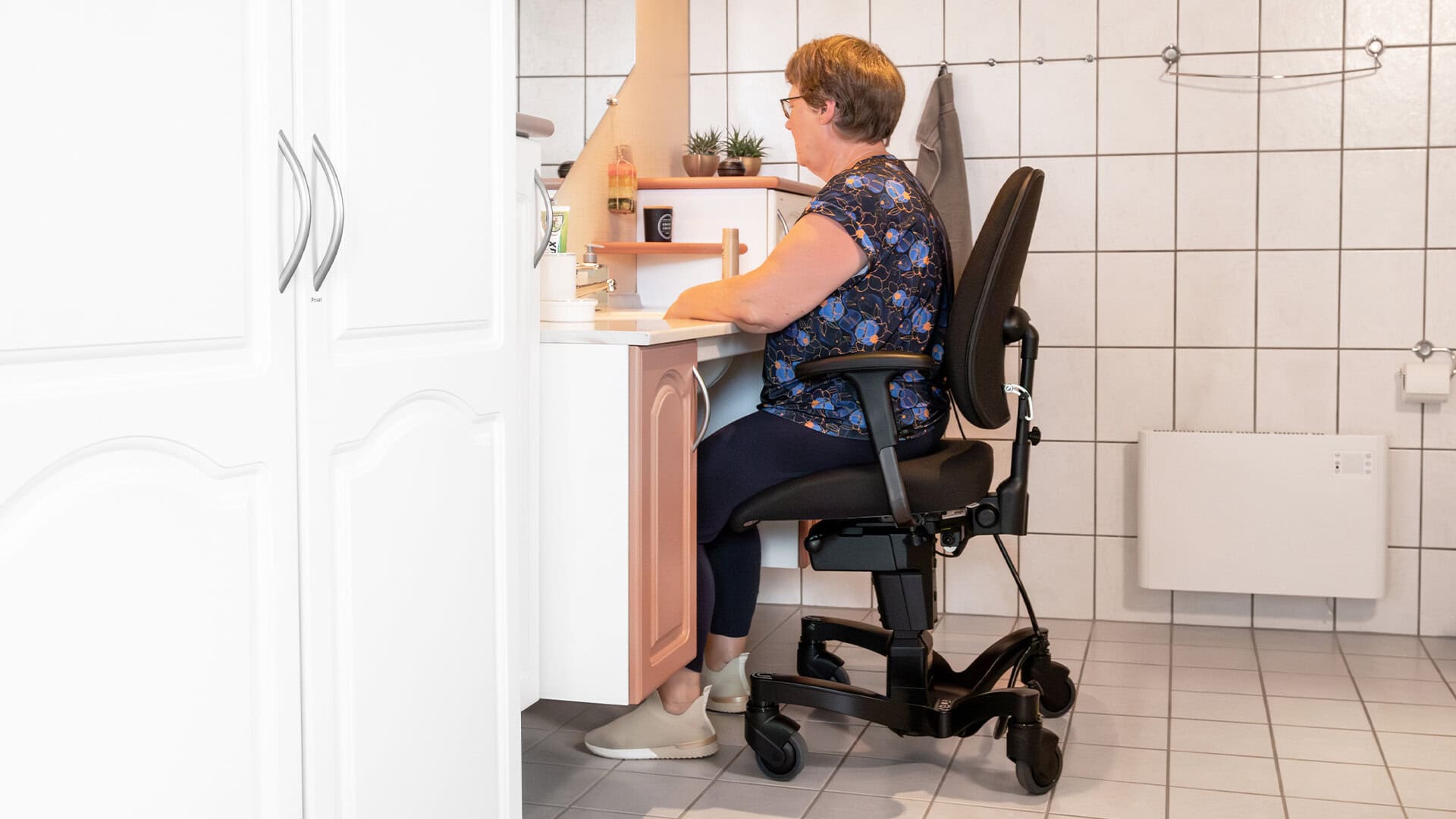
The challenges faced by older adults in nursing homes underscore the importance of solutions that allow them to remain safely in their own environments. For many, maintaining independence at home is paramount, leading to an exploration of practical mobility options. Among these solutions, the VELA Independence Chair emerges as a medically approved mobility chair designed specifically for domestic use. It offers enhanced safety through features like a central brake, supports freedom of movement while seated, and assists with daily activities such as cooking, dressing, or transferring. Importantly, it aims to minimize the physical load on informal caregivers, promoting a more manageable home care setup. Sensor-based mobility aids and adaptive ergonomic design, increasingly informed by AI insights, are enhancing day-to-day safety and functionality for aging adults with reduced mobility [3][7].
Supporting Aging in Place: A Practical Option
Mobility solutions like the VELA Independence Chair play a vital role in supporting seniors who wish to remain in their homes longer. These chairs are designed to enhance independence by addressing common home-based challenges such as safety, energy conservation, and ease of transfer. Key features include a central brake to prevent falls, electric height adjustability for comfort, and effortless movement while seated, which can significantly delay the need for a transition to a nursing home. With a VELA Chair, everyday tasks such as cooking or cleaning become more accessible, promoting dignity, freedom, and safety for seniors. Increasingly, new guidelines and reimbursement policies encourage use of remote monitoring and adaptive assistive devices as part of a personalized, cost-effective home care strategy [3][8]. While VELA is a proven option, it is one among many solutions available to support aging in place. For those interested in exploring chairs that support elderly mobility and safety, these specialized seating solutions align with efforts to balance independence with comprehensive support and are worth considering.
Professional Education and Interdisciplinary Collaboration
Stanford and peer institutions have placed renewed emphasis on collaborative approaches, bringing together geriatrics, rehabilitation, bioengineering, and artificial intelligence expertise to improve care outcomes. Ongoing professional education and updated clinical guidelines reflect the move toward adopting cutting-edge remote monitoring and adaptive technologies in practice, as highlighted in recent continuing education conferences and research reports at Stanford [7].
References
- Stanford Health Care Senior Care official page [1]
- Stanford Partnership in AI-Assisted Care – Senior Care research on AI and sensor integration for seniors living independently [3]
- Stanford Medicine Advanced Practice Provider conference on updated clinical guidelines and rehabilitation methods (2025) [7]
- 2025 Stanford Health Care Community Health Needs Assessment report (PDF) [8]