

Updated September 2025: We have updated the article to reflect recent advancements in assistive technology, including AI-powered smart devices, integrated home automation, wearable health monitoring, cognitive enhancement tools, and new trends in ergonomic and inclusive design for seniors. The update also covers the latest evidence on smart home integration, telemedicine, and market growth projections in home care assistance.
Empowering Seniors Through Home Care Assistance
As our population ages, the challenge of providing high-quality care for seniors that preserves their independence and dignity becomes increasingly vital. Personalized home care assistance emerges as a solution, enabling seniors to reside in their homes while receiving necessary support. According to the Journal of the American Geriatrics Society, over 90% of seniors prefer to age in place, highlighting the importance of home care services. Reputable providers like TheKey (formerly Home Care Assistance) offer comprehensive services tailored to individual medical conditions and personal needs.
Understanding Home Care Assistance: What It Is and Who It Helps
Home care assistance is critical for supporting seniors by helping manage daily activities, promoting independence, and improving quality of life. This service is particularly beneficial for seniors over 75 dealing with conditions like Alzheimer’s, Parkinson’s, or mobility issues. Beyond assistance, it offers companionship and emotional support. Envision a senior with Parkinson’s benefiting from a dedicated caregiver’s help with daily tasks, enabling them to remain in their familiar environment. Learn more about available services at TheKey NYC Location.
Types of Services Provided by Home Care Agencies
Home care agencies offer varied services tailored to seniors’ diverse needs, including companionship, memory care, and disease support. Home health aides and personal care aides play key roles, from providing basic health monitoring to facilitating physical therapy. Consider a senior recovering from a stroke gaining immense benefit from a structured physical therapy program, restoring their strength and confidence. For more details, check the NY State Caregiver Guide.
Financial Options: Medicaid, CDPAP, and Private Pay
Home care services can be expensive, making the understanding of financing options crucial. Options include Medicaid, contingent on eligibility, and the Consumer Directed Personal Assistance Program (CDPAP), allowing seniors to hire a family member as a caregiver. This flexibility suits diverse socio-economic backgrounds. A middle-income family, for example, might use CDPAP to employ a relative, providing a comfortable and familiar care setting. Explore these financing options on ACCESS NYC.
Specialized Care for Cognitive and Mobility Conditions
Specialized care plans are essential for seniors with cognitive impairments or mobility challenges. Tailored memory care services dramatically improve lives for seniors with dementia by offering structured, supportive environments that manage their condition effectively. For example, a senior with dementia experiences significant quality-of-life improvements through targeted memory care activities. Increasingly, care providers are integrating advanced assistive technologies such as AI-powered smart devices and wearable cognitive support tools into these plans, improving safety, health monitoring, and engagement for seniors with dementia or mobility challenges. Learn how TheKey NYC provides such supportive care.
Empowering Seniors Through Home Care Assistance
In conclusion, home care assistance is essential in maintaining the independence and dignity of seniors. Through personalized and flexible care plans, services like those offered by TheKey ensure seniors remain comfortably at home. Today’s approaches increasingly include smart home automation, wearable health monitoring, telemedicine platforms, and cognitive-support tools, resulting in a safer and more responsive home environment for seniors. As emphasized by reputable sources, selecting a home care plan that aligns with individual preferences is vital for maintaining quality care. Refer to the NY Caregiver Guide for further insights. By doing so, families can ensure their loved ones experience quality care, allowing them to enjoy their golden years with grace and dignity.
Supporting Aging in Place: A Practical Option
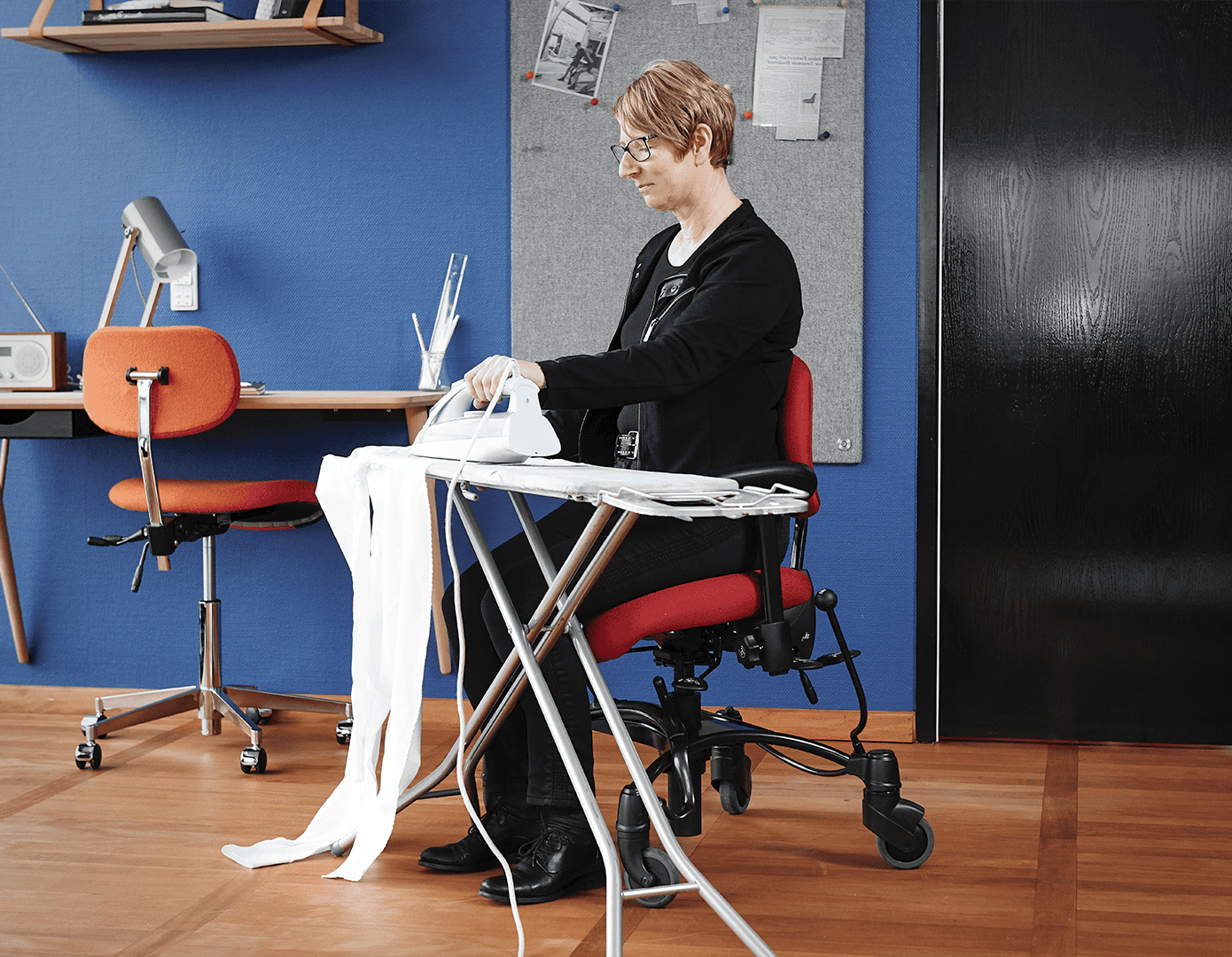
Staying independent at home extends beyond personal caregiving and includes innovative solutions like the VELA Independence Chair. This chair supports aging in place by ensuring safety, mobility, and comfort for seniors. Its central brake system reduces fall risks, while electric height adjustability accommodates various tasks, promoting energy efficiency during movements. Today’s supportive environments also leverage smart home automation, AI-powered fall detection, and personalized assistive devices that are increasingly ergonomic and inclusive, tailored to a variety of physical and cognitive needs. By offering ease of movement while seated, seniors can engage in everyday activities like cooking or relaxing, thus maintaining their independence and dignity. For informal caregivers, this reduces workload and worry.
Although not the sole solution, VELA is a proven and practical choice among supportive chairs for elderly care that demonstrate immediate benefits in daily life, potentially delaying the need for nursing home admission. Consider exploring additional mobility chairs for improved independence that advance both safety and quality of life for seniors at home.
Sources:
- Heisinger Bluffs, 2025: The Future of Senior Living – smart homes, AI, telemedicine trends
- ButterflyMX Blog, 2025: Senior Living Technology Trends – smart access, AI predictive analytics, resident engagement platforms
- Next Market Sciences Report, 2025: Elderly Disabled Assistive Device Market Forecast and AI device innovations
- Standards Sunrise Foundation, 2026 Outlook on Senior Living – technology redefining independence and wellness
- The Good Life SV, 2025 CES AgeTech Showcase – brain health AI, wearable cognitive therapies
- Let’s Envision Blog, 2025: Assistive Technology & AI Assistants – shift to intuitive AI support for low vision users
- Market.us Media, 2025: Assistive Technology Statistics and Innovations – integration with consumer electronics, advances in wheelchairs and prosthetics