

Updated September 2025: We have updated the article to reflect new advances in AI-powered mobility aids, smart home adaptation systems, integrated health monitoring wearables, and connected care ecosystems. The article now features the latest trends in ergonomic, inclusive design for senior independence, and highlights changes in technology adoption, insurance coverage, and regulatory guidelines supporting aging in place.
Paving the Path for Senior Care: A Holistic View of the USA Senior Care Network
Navigating the complexities of healthcare as a senior can be challenging, but the USA Senior Care Network (USA SCN) is a pioneering force in simplifying this experience. As the largest Medicare Supplement network in the United States, USA SCN connects Medicare Supplement Insurance carriers with an extensive range of healthcare facilities, serving over 10.5 million seniors. This article delves into how USA SCN facilitates healthcare access, manages costs, and empowers independence for our aging population.
Decoding the USA Senior Care Network: A Critical Resource for Seniors
The USA Senior Care Network stands out by streamlining the healthcare journey for Medicare Supplement policyholders. Unlike traditional Medicare networks, USA SCN offers comprehensive services, including simplified admission processes and access to a vast network of credentialed hospitals and healthcare facilities. According to the USA Senior Care Network Official Website, USA SCN offers policyholders hospital access without needing pre-approvals beyond what Medicare typically requires, underscoring its role as a vital resource for the senior community.
Consider a typical scenario: Jane, a 72-year-old policyholder, required hospitalization for knee surgery. With USA SCN, her admission was seamless, with direct access to a top-rated orthopedic facility. Such efficiency exemplifies how the network facilitates timely and hassle-free medical care for seniors.
Streamlining Senior Healthcare: Navigating USA SCN’s Network
At its core, USA SCN is structured around symbiotic relationships between healthcare facilities and insurance carriers, optimizing care delivery. Seniors can easily find participating hospitals and receive physician referrals through the network’s comprehensive resources. According to a publication by the Healthcare Financial Management Association, USA SCN’s structure not only increases access but also ensures flexibility in choosing healthcare options.
To illustrate, take Paul, who needed urgent cardiac care. Through USA SCN, he accessed a specialized cardiac unit without financial surprises, thanks to the network’s transparency in coverage and referrals.
Financial Peace of Mind: Managing Costs with USA SCN
Beyond care access, USA SCN is pivotal in managing healthcare costs, crucial for seniors navigating economic challenges. By partnering with over 140 carrier clients, it ensures manageable Medicare Supplement premiums, a straightforward claims process, and avoids complex administrative hurdles. This approach promotes cost-effectiveness and peace of mind.
Envision Linda, a retired teacher facing mounting medical bills due to chronic arthritis. Utilizing USA SCN’s streamlined claims process, she efficiently managed her expenses, demonstrating the network’s effectiveness in alleviating financial stress for seniors.
Advancing Independence: Technology Trends and Smart Mobility Solutions
Recent advances in assistive technology have redefined independence for seniors, with a strong focus on aging in place. Integration of AI, robotics, and smart home systems is now mainstream, empowering seniors and caregivers with tools that offer mobility, real-time health monitoring, and enhanced safety. INTCO Medical, 2025, Cyces, 2025
Leading innovations include AI-powered lightweight exoskeletons that improve walking stability by more than 40% and reduce the risk of falls for seniors with mobility limitations. Additionally, intelligent self-navigating wheelchairs and AI-enabled wearables now provide continuous tracking of health parameters, including early detection of cognitive decline and cardiac risks. Smart adaptive home systems automate environmental controls and medication reminders based on each senior’s daily routine, further supporting safe, independent living.
Connected care ecosystems link these devices to healthcare professionals and family caregivers, making telemedicine and remote monitoring a seamless extension of home care. Clinical evidence demonstrates that these technologies not only enhance independence but also reduce hospitalizations and promote quality of life. These products are increasingly designed with ergonomics and inclusivity in mind, prioritizing user comfort and dignity.Channel Point Village, 2025
Smooth Transition from Hospital to Home: The Role of VELA Mobility Chairs
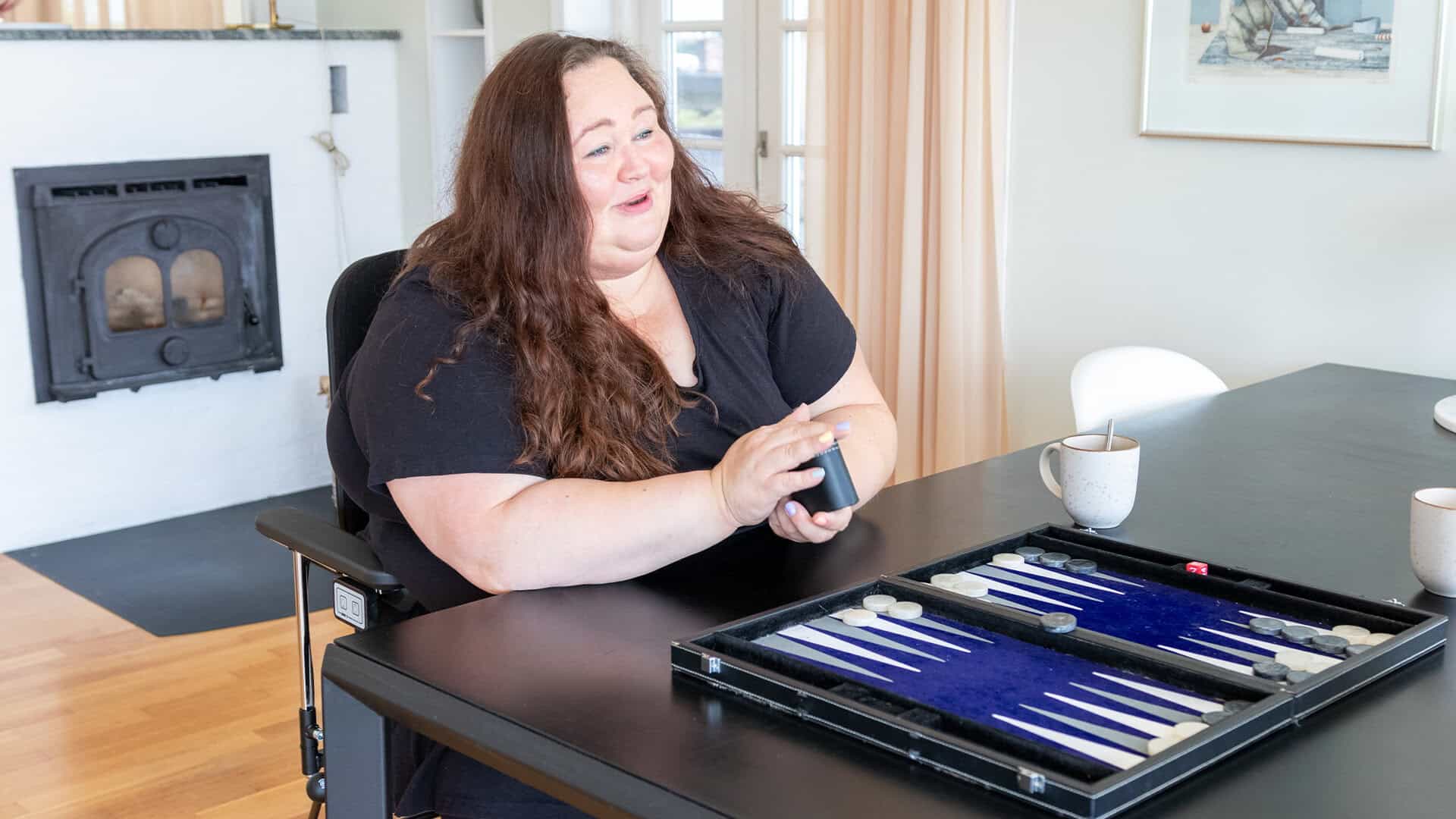
As seniors face the challenges of transitioning from hospital stays back to the home environment, maintaining independence becomes a critical concern. This is where innovative solutions like VELA Mobility Chairs come into play. These chairs are medically approved and specifically designed for home use, offering enhanced safety and freedom of movement for users. VELA chairs support daily activities such as cooking, dressing, and transferring, all while reducing the physical demands on informal caregivers. By providing this type of supportive equipment, seniors are empowered to remain in their own homes for longer periods, avoiding or delaying the need for nursing home care.
Supporting Aging in Place: A Practical Option
VELA Mobility Chairs play a significant role in allowing seniors to remain independent at home by integrating features that specifically address safety and mobility challenges. For instance, the central brake system significantly reduces fall risks, a crucial aspect of fall prevention strategies at home. Electric height adjustability ensures ease during transfers and everyday tasks, preserving energy and enhancing safety. Such features delay the transition to nursing homes by providing the necessary support to comfortably manage daily activities at home. Additionally, these chairs help save caregivers’ time and effort, allowing seniors to maintain dignity and autonomy. Although VELA isn’t the only option, it stands out as a proven and practical solution, fostering freedom and safety through superior design—an essential element in aging gracefully and independently.
Surveys in 2025 report that 94% of seniors prefer to age in place, enabled by a full range of assistive technologies such as stair lifts, grab bars, connected monitors, and adaptive devices. These tools, including products like VELA Mobility Chairs, are increasingly covered by Medicare and private insurance. Regulatory and clinical guidelines now emphasize the evidence-based application of these technologies to reduce hospitalizations, prevent falls, and enhance rehabilitation outcomes.U.S. News & World Report, 2025 iHealthcare Analyst, 2025
Emerging solutions, such as brain-computer interface-enabled aids and custom 3D printed devices, are forecasted to further improve senior autonomy and inclusion in the near future, supporting the trend toward personalized and adaptable care settings.ButterflyMX, 2025
By implementing innovative mobility solutions, seniors and their families can explore viable alternatives to traditional nursing homes—and benefit from the latest in ergonomic, smart technology designed for independence and dignity.