

Updated January 2026: We have updated the article with the latest 2025–2026 advances in assistive technology, including AI-powered devices, brain-computer interfaces, IoT-enabled smart home features, affordable Braille tech, 3D-printed adaptive devices, and new trends in robotics and user-centered rehabilitation. The article now highlights real-time, personalized solutions that foster autonomy and societal inclusion, along with key challenges such as ethical AI use and accessibility costs.
Aspire Independent Living: Guiding Autonomy with Support
Aspire independent living programs are designed to meet the growing demand for services that blend autonomy with the required assistance, particularly for individuals with disabilities and seniors. Focusing on nurturing independence, these programs serve as a beacon for those seeking to maintain control over their day-to-day lives while accessing necessary support systems. According to Aspire Chicago, their programs provide tailored assistance that empowers individuals to thrive within their communities.
Aspire’s Personalized Pathways to Independence
Aspire’s approach to independent living centers around personalized care plans emphasizing autonomy and social integration, especially for individuals with disabilities and seniors. The goal is to create environments where independence is not hindered but supported through community-based services. For instance, transportation assistance initiatives ensure seniors can maintain vital social connections, enhancing their quality of life. As noted by Aspire Living & Learning, community integration programs prevent isolation by actively engaging individuals in their locales.
Aspire’s commitment to individualized support is evident in real-life scenarios, like a senior maintaining weekly social visits due to transportation support—illustrating the organization’s dedication to practical, life-enhancing services. These programs not only offer direct assistance but also foster self-sufficiency through engagement in everyday community activities.
Regional Insights: Tailoring Support Across Aspire Locations
Aspire recognizes that needs vary widely, so it offers tailored programs across different states. Each location adapts its services to meet community-specific requirements, demonstrating a deep understanding of regional nuances. In Illinois, emphasis is placed on extensive disability support, while Missouri’s programs focus more on senior care services, as highlighted in Aspire Senior Living’s facilities Aspire Senior Living Missouri.
A notable example is in New York, where Aspire of WNY provides community support services enabling individuals with developmental disabilities to transition to more independent settings. These targeted efforts underscore Aspire’s flexibility and adaptability, ensuring they effectively cater to different demographics and their unique challenges.
Empowering Independence: Skill Development and Support
Aspire is dedicated to fostering independence through skill development programs, crucial for individuals transitioning to independent living. These initiatives equip participants with essential life skills needed for autonomy. Aspire Chicago offers life skills training that enhances daily living capabilities, focusing on budgeting, health advocacy, and social integration.
These programs are holistic, empowering individuals to navigate their lives with greater confidence and independence. For instance, targeted skill-building sessions might teach participants effective budgeting techniques, strengthening their ability to manage finances independently.
Enhancing Home Living through Mobility Solutions
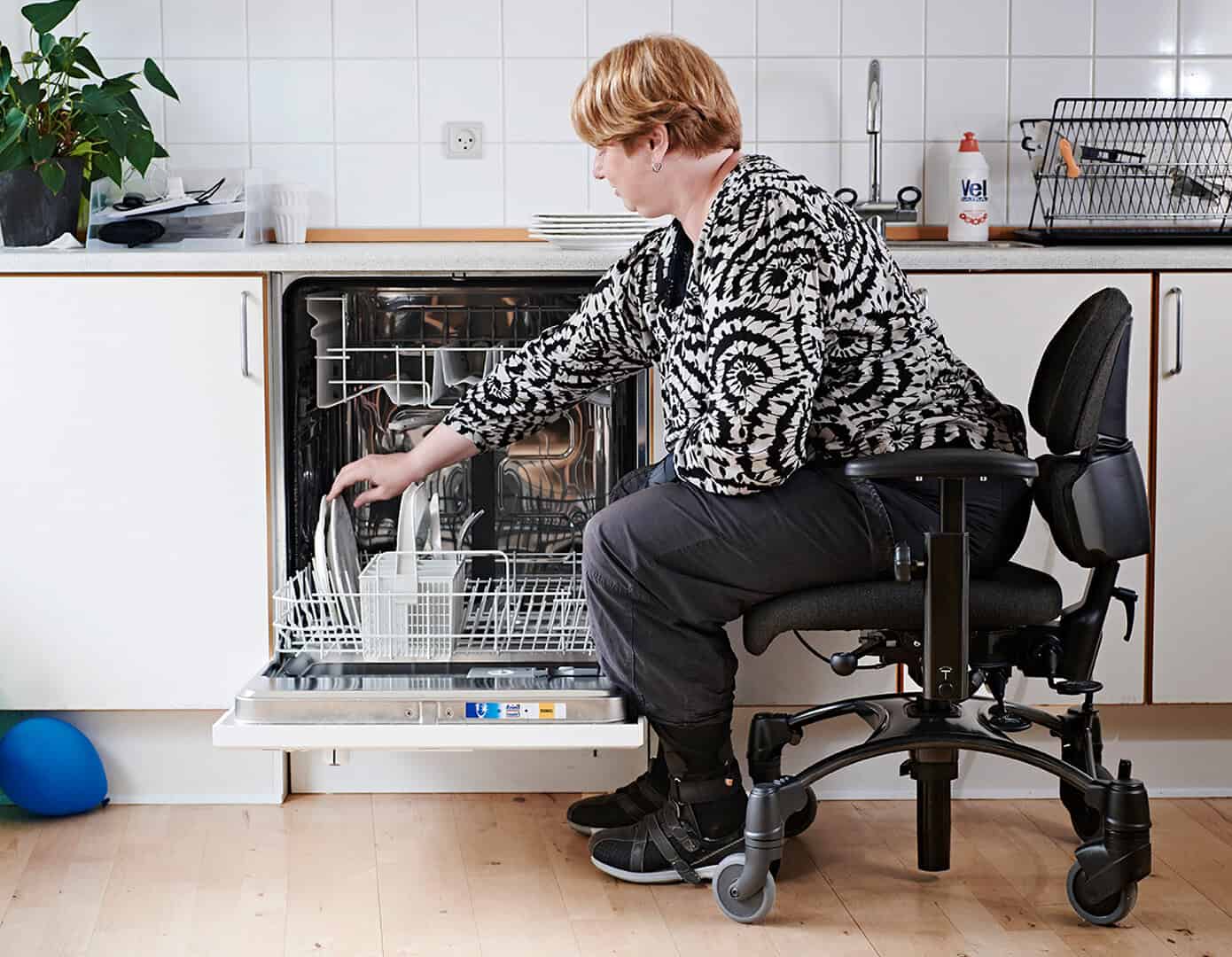
Many seniors consider the prospect of moving into nursing homes daunting due to potential loss of independence. This challenge can sometimes be alleviated through supportive solutions enhancing in-home living comfort and safety. VELA presents such an option; a medically approved mobility chair that enhances safety, facilitates freedom of movement while seated, and supports daily activities such as cooking, dressing, or transferring—thereby reducing the load on informal caregivers.
Aspire independent living programs emphasize the importance of personalized care combined with community integration. By offering a spectrum of services tailored to the diverse needs of individuals with disabilities and seniors, Aspire ensures that autonomy doesn’t come at the expense of support. Whether through regional adaptations or skill development initiatives, Aspire empowers individuals to thrive in their communities.
For those evaluating independent living options, Aspire’s programs reflect a balanced approach—combining personalized care, community-based services, and innovative solutions like VELA mobility aids. This comprehensive strategy not only helps maintain independence but also enriches the quality of life for participants, making Aspire a leading choice for those seeking supportive independent living solutions.
Supporting Aging in Place: A Practical Option
Mobility solutions like VELA Chairs play a crucial role in enabling longer, independent living at home. They are designed with supportive feature-rich components like an easy-to-operate central brake system, which provides safety during transfers, and electric height adjustability, which assists with tasks like cooking or reaching high shelves. This adaptability helps seniors manage energy more efficiently, potentially delaying the need for nursing home care. By offering enhanced mobility, individuals can maintain their freedom and dignity, tackling daily activities with less fatigue and more confidence. Life without a VELA Chair might mean struggling with basic tasks, but incorporating such innovative mobility solutions can authentically transform daily living, offering a tangible, practical choice for aging with grace at home. While VELA isn’t the sole option, it stands as a tested, practical solution for supporting independence.
Technology shaping the future of independent living
Since 2025, advances in assistive technology have accelerated, driven by AI integration, wearables, brain-computer interfaces (BCIs), and robotics, all focusing on proactive, personalized support for mobility, communication, and daily living.[1] Notable innovations include AI-powered smart glasses such as Meta Ray-Ban Live AI, which provide hands-free scene description and real-time information to users with vision loss.[4] Intuitive BCIs are emerging for individuals with motor and speech impairments, offering new opportunities for communication and environmental control.[3]
IoT-enabled smart homes can now adapt to user routines, enhancing comfort and independence through features that monitor safety, automate lighting, adjust climate control, and more—all personalized based on ongoing user feedback.[5] 3D-printed custom devices and adaptive aids are providing affordable, tailored equipment, while affordable Braille technologies showcased at CES 2026 are extending access for the visually impaired.[5] Sip-and-puff systems remain important in mobility-limited rehabilitation, and are part of a broader shift toward user-centered, inclusive design.[6]
Robotic devices, including smart mobility aids with haptic feedback (such as the anticipated Glide device), are being refined based on user feedback, supporting more natural and confident movement.[4] AI-powered tools for communication—ranging from real-time captioning to interactive assistants—continue to support greater autonomy in daily life.[3]
Trends at CES 2026 show an industry-wide push toward affordable, customizable solutions—including community-driven refinements and regulations that address ethical use and accessibility costs. While these technologies promote societal inclusion and independence, there remain challenges regarding affordability, equitable access, and ethical AI deployment.[1][5]
Assistive tools such as text-to-speech, sip-and-puff, FM listening systems, and graphic organizers continue to form the basis of inclusive education and therapy, now enhanced by AI and smart robotics.[6]
These ongoing advances underscore a vision for independent living in which personalization, real-time adaptability, and user empowerment are prioritized—resulting in improved autonomy and quality of life for people with disabilities and older adults.
References
- Assistive Technology Journal, “AI, BCIs, IoT, Robotics, and 3D Printing in Assistive Tech: The Next Wave”
- Level Access, “AI & Assistive Tech: Key Advancements in Accessibility”
- First Aid for the Blind, “Assistive Technology Roundup: August 2025 Update”
- Double Tap CES 2026 podcast, “AI Robotics, Smart Homes, and Inclusive Innovation”
- SEN Teachers Training, “Assistive Tech Trends in 2026 Every Special Needs Teacher Should Know”