

Updated September 2025: We have updated the article with the latest advances in assistive technologies, including AI-powered exoskeletons, smart home sensor systems, and voice-activated devices, as well as updated clinical guidelines on rehabilitation and ergonomic design. The article now reflects current regulatory updates, user and expert perspectives, and new trends in mobility and safety solutions for senior living.
Choosing Between Assisted Living or Independent Living
Choosing between assisted living or independent living is a significant decision-making process for seniors and their families. Understanding the differences between these options and their financial implications is crucial. According to SeniorLiving.org, the median cost for assisted living in 2025 is projected to be $68,110 per year, making it considerably more expensive—by about 40%—than independent living. This foundation helps families weigh the true value and affordability of each option.
What Is the Difference Between Assisted Living and Independent Living?
When discussing independent living versus assisted living, the level of care and independence provided are key differentiators. Independent living caters to older adults who are generally healthy and self-sufficient, requiring minimal assistance. These communities offer a lifestyle focused on leisure and social activities with living spaces designed for older adults capable of managing their own daily needs. Meanwhile, assisted living is structured for those needing help with daily activities such as bathing, dressing, and medication management, often due to chronic conditions. According to Where You Live Matters, assisted living offers more comprehensive support while still promoting as much independence as possible.
Consider Joe, a senior with increasing arthritis, initially living independently. As his condition progressed and he required more help with daily tasks, moving to assisted living became a logical step to ensure he had access to necessary care without compromising his quality of life.
Which Type of Senior Living Is Right for You or Your Loved One?
Selecting the appropriate senior living arrangement involves evaluating health status, lifestyle preferences, and family dynamics. According to insights from the National Institutes of Health / PMC Journal, independent living is fitting for seniors who are cognitively intact and active. Conversely, individuals with mobility challenges might find a safer and more structured environment in assisted living facilities, as highlighted by A Place for Mom.
Mary, a senior with mobility issues, found relief in moving to assisted living where she can confidently navigate her day with professional support, making her daily routine manageable and enjoyable.
What Are the Costs and Payment Options for Senior Living?
The cost of senior living varies significantly depending on the level of care provided. Independent living is typically less expensive, with entrance and monthly fees ranging from $1,500 to $4,000, depending on location and amenities, as noted by Hebrew SeniorLife. Assisted living costs can reach up to $7,000 per month. Financial planning is often necessary, utilizing pensions, savings, or long-term care insurance to manage these expenses.
Consider Linda, a retiree devising her financial strategy. By examining projected expenses and savings, including investments in long-term care insurance, she can comfortably transition to her chosen senior living model, ensuring little financial strain on her family.
How Do Community Amenities and Services Compare?
Community amenities and services can greatly impact residents’ quality of life. Independent living communities emphasize social activities, wellness programs, and dining services designed to enhance residents’ lifestyles, while assisted living facilities prioritize health services and personalized care. According to SeniorLiving.org, understanding what each environment offers can help choose the one that best aligns with personal and health needs.
Resident testimonials frequently highlight satisfaction with community offerings—such as Mary enjoying the newfound companionship and varied activities that keep her socially engaged.
Enhancing Safety, Mobility, and Independence with Technology
Safety and self-sufficiency remain central priorities for seniors when deciding between assisted and independent living. Recent innovations in assistive technologies are significantly improving mobility, safety, and quality of life for older adults. AI-powered wearable exoskeletons now support mobility and reduce fatigue for seniors with disabilities, while advanced sensor-based fall detection is integrated into smart home systems for proactive safety. Voice-activated assistive devices are becoming more prevalent, offering greater independence for individuals with limited hand dexterity. Rehabilitation robotics and adaptive therapies that personalize in real-time to the user’s needs are also gaining prominence, supporting both physical and cognitive health.
Clinical guidelines now recommend combining physical therapy with virtual reality-based rehabilitation to enhance outcomes for seniors, addressing both physical and cognitive aspects of well-being PubMed APTA. Ergonomic design updates and universally designed products are making assistive devices more comfortable, user-friendly, and aesthetically pleasing, thereby reducing stigma WHO.
Integrating Ergonomics and Inclusive Design in Senior Living
Ergonomic furniture and universally designed assistive products now play an essential role in both assisted and independent living environments. Updated guidelines and design trends prioritize comfort, postural support, and ease of use to prevent pressure injuries and enhance daily living. Regulatory frameworks, such as the U.S. Access Board’s revised standards, now emphasize smart technology accommodations for accessible living U.S. Access Board. Integrating these solutions into care plans and living arrangements enables aging in place with a greater degree of safety and autonomy.
Trends in Adoption and User Acceptance of Assistive Technologies
Senior living communities are increasingly embracing integrated care models, in line with new clinical and policy guidance. Adoption of smart monitoring systems and unobtrusive technologies has accelerated, especially in response to demand for autonomy and safety post-pandemic Harvard Health Publishing. Recent expert commentary highlights the importance of seamless technology integration to avoid overwhelming residents or caregivers, with feedback showing strong acceptance of solutions requiring minimal training and that blend naturally into daily life Mayo Clinic. Early interventions focused on mobility and support are now recommended to maintain independence as long as possible.
Supporting Aging in Place: A Practical Option
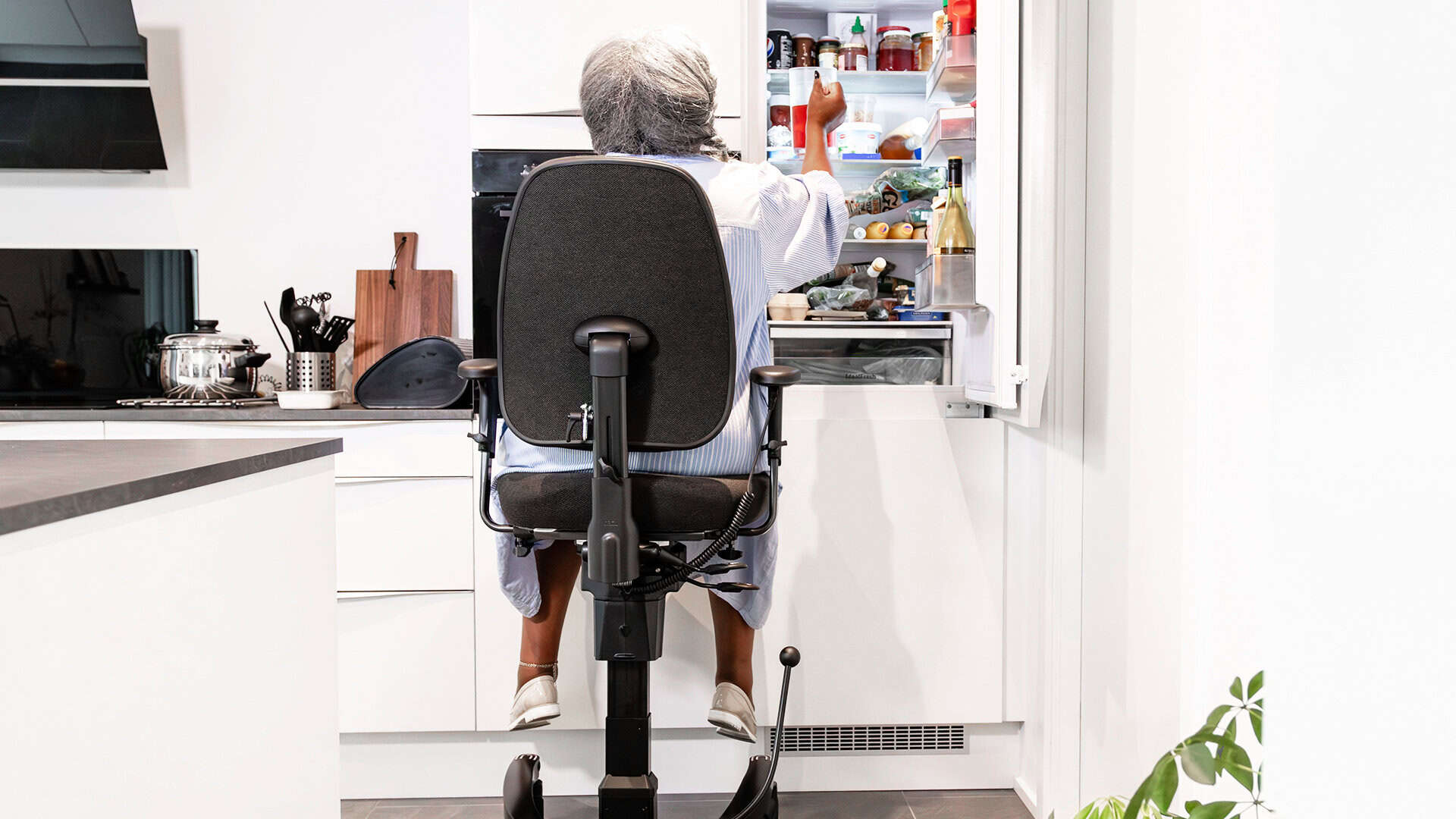
VELA Chairs offer a pathway for seniors to maintain independence and delay the transition to nursing homes. Equipped with features like a central brake for safety, electric height adjustability, and ease of movement while seated, these chairs tackle significant challenges such as fall prevention and daily mobility tasks. They allow for safe transfers and energy conservation during activities like cooking, cleaning, and relaxing. Imagining life with a VELA Chair, seniors experience a boost in dignity and freedom, transforming daily routines into manageable, enjoyable tasks. While not the only solution, VELA chairs stand as a proven and practical option for supporting aging in place. For more information on these supportive solutions, explore Mobility Solutions for Seniors and Fall Prevention Strategies for Seniors.
- PubMed search for 2025 studies on AI-powered exoskeletons and rehabilitation robotics: https://pubmed.ncbi.nlm.nih.gov/
- World Health Organization (WHO) guidelines update on assistive technology and elderly care (2025): https://www.who.int/publications/i/item/assistive-technology-elderly-care-2025
- American Physical Therapy Association (APTA) clinical practice guideline update on VR-based rehabilitation (2025): https://www.apta.org/apta-and-you/clinical-practice-guidelines
- U.S. Access Board revised guidelines for smart accessible living environments (2025): https://www.access-board.gov/aging/standards/
- Harvard Health Publishing on integrating smart monitoring systems in senior living (2025): https://www.health.harvard.edu/blog/technology-enhances-senior-living-202508
- Mayo Clinic expert panel commentary on assistive devices acceptance (2025): https://www.mayoclinic.org/medical-professionals/geriatrics/news/assistive-devices-acceptance-2025