

Updated September 2025: We have updated the article with new developments on AI-driven assistive technology, inclusive and neurodiverse design principles, real-time voice and gesture control systems, and recent regulatory and market trends. The article now also addresses advances showcased at major conferences in 2025 and highlights ongoing global challenges in access and affordability.
Assistive Technology for Independent Living: Empowering Autonomy in Home Care
Ensuring that elderly and disabled individuals maintain independence at home is increasingly essential. Assistive technology is stepping in as a vital component of modern home care, addressing this need with innovative solutions. According to the World Health Organization (WHO), over 2.5 billion people currently require assistive products—a number expected to rise with the global aging trend. This article explores how assistive technology empowers autonomy in home care.
Understanding the Rising Demand for Assistive Technology
Global demographic shifts, notably the rapid aging population, drive demand for assistive technology. Elderly individuals express a strong preference for aging in place, and technologies facilitating this are not mere luxuries but necessities for safety and daily living enhancement. Consider an elderly couple using smart home systems to manage daily activities seamlessly. As reported in the Cognitive Market Research, the projected demand increases underscore urgency in addressing this demographic’s needs. Additionally, new insights recognize that achieving autonomy also means addressing the needs of neurodiverse and aging populations through inclusive and user-centered design principles.
Continual Engine
Innovations and Trends in Assistive Technology
By 2025, assistive technology will undergo key transformations. Person-centered approaches will allow users to tailor devices to meet personal goals. Technologies like IoT, AI, and machine learning facilitate innovations such as AI-driven health monitoring apps. These applications help seniors manage chronic conditions effectively, promoting active, independent lives. According to Replacing Risk, such trends will reshape assistance delivery significantly.
Recent advancements now emphasize AI integration and expanded multi-sensor technology. Cutting-edge AI-driven smart wearables, such as smart glasses with real-time object recognition, text-to-speech, and facial expression detection, boost autonomous navigation and communication for visually impaired users.
AI-enabled indoor navigation systems utilizing Bluetooth beacons and LiDAR are significantly improving independent mobility within complex indoor spaces. Real-time AI assistants and seamless voice navigation systems now reduce reliance on manual interfaces, further supporting autonomy for users across diverse abilities.
At the 2025 CSUN conference, leading solutions included augmented reality smart glasses supporting live ASL translation, AI-powered captioning, and haptic technologies that enhance multimodal communication and safety.
Florida Reading, LetsEnvision, InnoCaption
Breaking Down Barriers: Making Assistive Technology Accessible
Despite potential benefits, barriers such as affordability hinder technology access. The COVID-19 pandemic amplified these challenges, disrupting service access and complicating insurance processes. Consider a family navigating insurance complexities to acquire necessary mobility devices. According to The Business Research Company, overcoming these challenges requires concerted efforts to enhance both availability and affordability.
Alongside affordability, global insights highlight persistent inequities in low-resource and middle-income regions, where access to current assistive technologies remains limited. Ongoing policy reforms and new market initiatives concentrate on supply chain transparency and affordability to bridge these gaps.
Regulatory developments, such as anticipated updates to international digital accessibility standards (WCAG 3.0) and expedited approval pathways, are designed to accelerate safe and effective availability of new assistive products.
Clinton Health Access Initiative & ATscale, Continual Engine
VELA Mobility Chairs: Enhancing Independence at Home
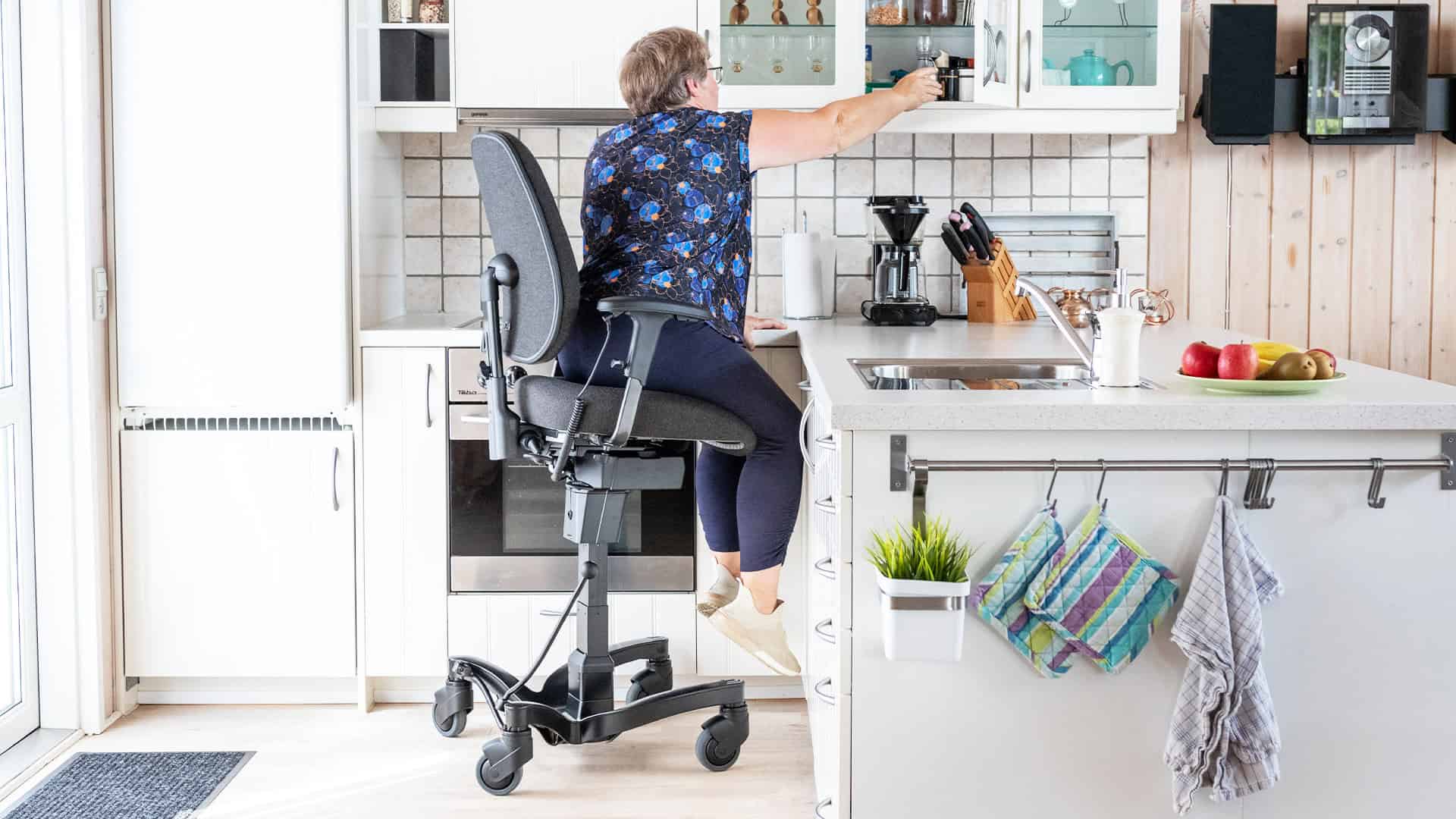
While many elderly individuals face challenges in traditional nursing homes, the emergence of mobility solutions empowers them to maintain independence within their homes. The VELA Mobility Chair is one such solution, offering a medically approved, user-friendly design that enhances safety and mobility for home use. These chairs provide notable advantages such as allowing greater freedom of movement while seated and support for daily tasks including cooking, dressing, and transferring. This simultaneously diminishes the demand on informal caregivers, creating a sustainable and supportive living environment. Learn more through Understanding Mobility Chairs.
The role of assistive technology in promoting independent living is vital. Addressing affordability and promoting personalized solutions ensure assistive technology meets user needs effectively. These efforts are critical as demand continues to grow alongside global demographic shifts. By considering pointed observations from sources like PubMed, society can promote enhanced quality of life for elderly and disabled populations.
Supporting Aging in Place: A Practical Option
Mobility solutions like the VELA Chair play a crucial role in helping seniors stay independent longer at home. With features like a central brake for added safety, electric height adjustability, and ease of movement while seated, these chairs address common challenges such as safety and energy conservation. They empower individuals to perform tasks like cooking, cleaning, or relaxing more effortlessly, thus preserving their dignity and freedom. A VELA Chair can delay the transition to nursing home care by enhancing an individual’s ability to manage daily functions effectively. While VELA chairs offer a proven and practical solution, they are part of a broader commitment to promoting independence and safeguarding the well-being of aging individuals. Learn more about strategies to support independent living through Assistive Technology for Seniors.
Additional sources:
Florida Reading,
LetsEnvision,
Market.us,
InnoCaption,
Clinton Health Access Initiative & ATscale,
Continual Engine