

Updated September 2025: We have updated the article with new findings on AI-powered, real-time responsive assistive technologies, including smart glasses and integrated environmental interpreting tools, as well as advancements in IoT-enabled mobility aids and remote aging-in-place solutions. Recent trends in market access equity and inclusive design are also highlighted.
Exploring Avenues for Independent Living: A Comprehensive Guide
In contemporary senior care, “avenues for independent living” represent pathways that prioritize autonomy, dignity, and community participation for seniors and individuals with disabilities. According to the Centers for Disease Control and Prevention (CDC), independent living prioritizes enabling older adults to age in place safely and autonomously. This concept resonates with an increasing number of seniors seeking a balance between independence and community support.
Who Benefits from Independent Living?
Independent living primarily serves seniors aged 65 and older and individuals with mild disabilities. The typical demographic includes active older adults who relish a maintenance-free lifestyle and are often managing chronic conditions like arthritis or diabetes without requiring constant medical oversight. For example, John, a 75-year-old retired teacher, appreciates the vibrant community amenities and social interaction opportunities available in his independent living community, which significantly enriches his daily life.
Independent living settings provide an environment rich with opportunities for social engagement, wellness activities, and communal dining, all without the obligation of daily house upkeep. According to the National Institutes of Health (NIH), modifications and supportive technologies can further sustain this independence.
Differentiating Independent Living from Assisted Living
Independent living and assisted living, while similar in fostering community, diverge considerably in the level of care. Independent living emphasizes autonomy, offering minimal personal assistance. In contrast, assisted living provides support for daily activities like bathing and medication management. Independent environments often boast vibrant social calendars and communal facilities, whereas assisted settings are known for their accessible healthcare services. As outlined by A Place for Mom, these contrasts underscore the autonomy-centric ethos of independent living communities.
Navigating Costs and Payment Options
The financial aspect of independent living varies, with the national median cost approximately $3,100 per month. This figure can fluctuate, accommodating both economically viable and luxury options. Notably, Medicare does not cover independent living expenses, although it offers coverage for essential health services provided in these environments (see Medicare.gov). Financing avenues include private funds, long-term care insurance, or, in some cases, state-subsidized programs.
Enhancing Independence at Home with Tools and Technologies
Technological advancements and ergonomic equipment are vital in promoting senior independence. Recent developments have introduced AI and IoT integration in assistive devices, such as smart prosthetics, AI-enhanced hearing aids, and IoT-enabled mobility aids that adapt dynamically to users’ needs and environments, improving both functionality and comfort (Cognitive Market Research: Assistive Technology Market Report 2025).
Wearables and smart glasses, like Meta’s Ray-Ban Smart Glasses with Live AI, now provide hands-free, real-time environmental descriptions, offering substantial support for blind or low-vision users in navigation and daily tasks (First Aid for the Blind: Meta Ray-Ban Smart Glasses Live AI Feature, Aug 2025). In addition, real-time visual interpreting services such as Aira connect users to human agents for immediate orientation, reading, and communication assistance (CSUN Assistive Technology Conference 2025 Highlights).
The emergence of inclusive AI assistants has further enhanced accessibility, moving toward natural language capabilities and rapid information retrieval especially beneficial for users with visual impairments (Envision Community Insights on Future Assistive Technology & AI Assistants, 2025).
For seniors choosing to age in place, remote health monitoring, fall detection, medication management, and adaptive furniture are becoming increasingly common, enabling greater independence and reducing the need for institutional care (Cognitive Market Research: Assistive Technology Market Report 2025).
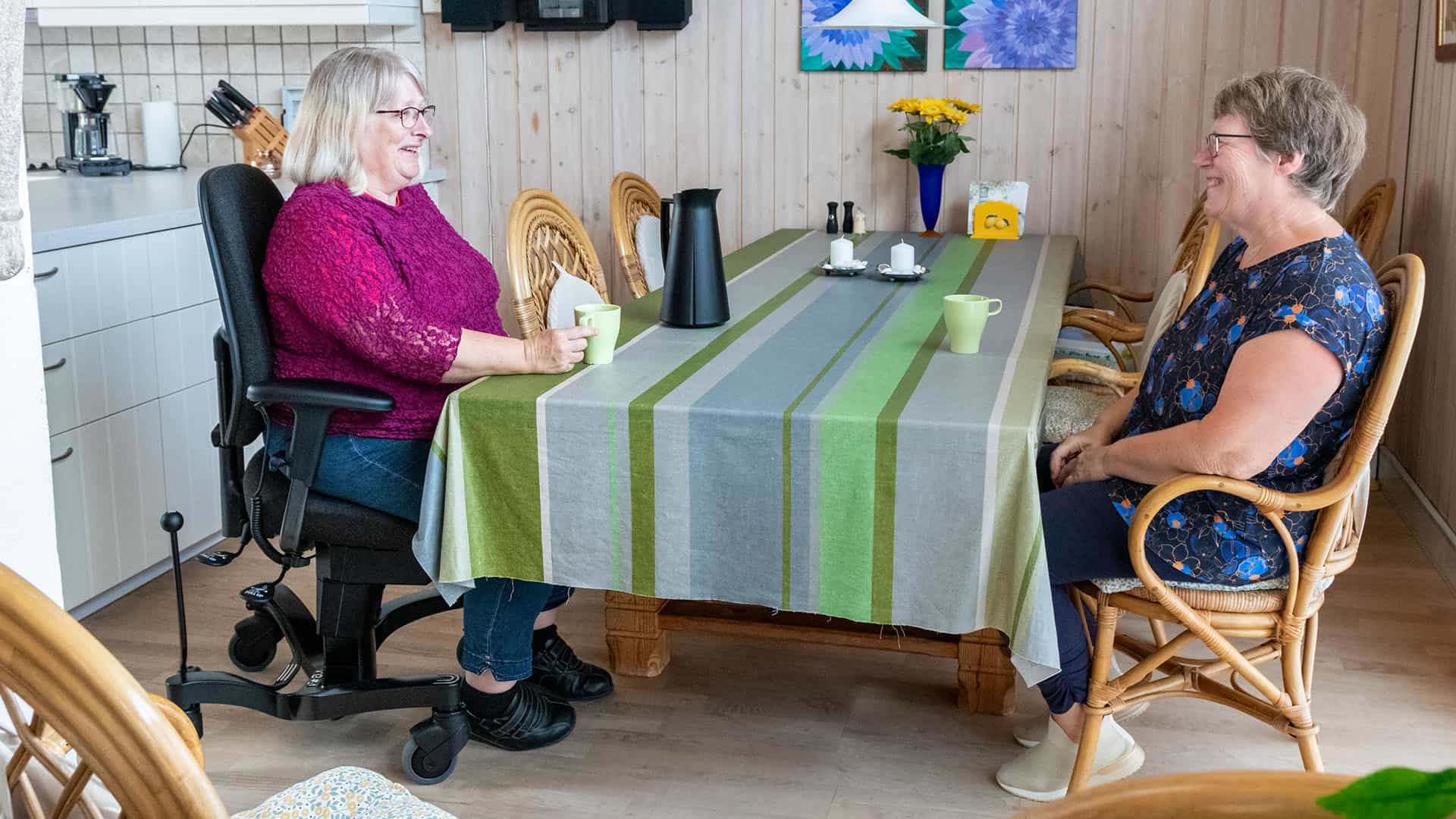
Mobility aids, smart home technology, and innovative furniture design, such as the VELA chair, continue to be crucial for maintaining autonomy within the home environment. These tools facilitate movement, reduce fall risk, and address the growing demand for solutions that allow older adults to remain safe and independent at home. The VELA chair, a medically approved mobility chair, enhances safety and freedom of movement while supporting daily activities like cooking, dressing, or transferring. For more information, visit Mobility Solutions for Seniors.
The VELA chair, renowned for its ergonomic design, supports safe and confident living by offering stability, ease of transfer, and tailored adjustments to individual needs. Seniors, like Mary—an 80-year-old art enthusiast—who use VELA chairs, benefit from increased mobility and reduced assistance dependence, enhancing their quality and enjoyment of daily life. Learn more about its impact on Fall Prevention Strategies.
Recent research and industry trends also highlight market access equity concerns, especially in low- and middle-income countries, with calls for systemic reforms to improve global availability and affordability of assistive products (ATscale and Clinton Health Access Initiative: 2025 Assistive Products Market Report). Ongoing research is focusing on user-centered design, outdoor mobility aids, nonvisual coding tools, and AR/VR technologies that aim to increase independence for users with various disabilities (Journal of Visual Impairment & Blindness: 2025 Special Issue).
The journey through various avenues for independent living involves informed decision-making to support autonomy and quality of life. Choosing an appropriate community and integrating supportive technologies like mobility solutions plays a central role in this endeavor. According to the NIH Journal of Aging & Health, enhancing social engagement and community interaction significantly boosts life satisfaction for seniors in independent living settings.
Ultimately, navigating these avenues requires a thoughtful balance of personal and financial priorities, ensuring that each individual’s path to independence is as seamless and fulfilling as possible.
- Cognitive Market Research: Assistive Technology Market Report 2025 (Global Edition). https://www.cognitivemarketresearch.com/assistive-technology-market-report
- Envision Community Insights on Future Assistive Technology & AI Assistants (2025). https://www.letsenvision.com/blog/future-assistive-technology
- Accessibility.com and WIPO report on Assistive Technology Innovations (2025). https://media.market.us/assistive-technology-statistics/
- CSUN Assistive Technology Conference 2025 Highlights. https://www.innocaption.com/recentnews/top-5-assistive-technologies-csun-2025
- First Aid for the Blind: Meta Ray-Ban Smart Glasses Live AI Feature (Aug 2025 Update). https://www.faftb.com/post/assistive-technology-roundup-august-2025-update
- ATscale and Clinton Health Access Initiative: 2025 Assistive Products Market Report. https://www.clintonhealthaccess.org/report/chai-and-atscale-publish-the-2025-assistive-products-market-report/
- Journal of Visual Impairment & Blindness: 2025 Special Issue on Assistive Technology Advances. https://afb.org/news-publications/publications/jvib/authors/calls-papers/2025-special-issue-technology