

Updated September 2025: We have updated the article to reflect recent research on collaborative models between aging and disability networks, advances in ergonomic and user-centered assistive device design, the integration of tele-rehabilitation and remote monitoring technologies, new clinical recommendations for personalized, technology-supported care, and adoption trends of digitally connected smart assistive devices.
Empowering Independence in Berkeley’s Elderly Community
Nestled in the vibrant heart of Northern Alameda County, the Berkeley Center for Independent Living (CIL) stands as a beacon of support and empowerment for the elderly and disabled communities. For those seeking independence, the CIL offers vital services and advocacy, ensuring residents of Berkeley and surrounding areas can maintain their autonomy and dignity. Given that seniors aged 65 and over make up 16.48% of Berkeley’s population, the significance of independent living resources becomes abundantly clear (U.S. Census Bureau).
Founded amidst the rich backdrop of the U.S. independent living movement, the Berkeley CIL was a pioneer in redefining how people with disabilities engage with society. According to the Center for Independent Living, its mission is to support the rights, independence, and inclusion of people with diverse disabilities. This legacy is evident in the stories of individuals who, through CIL’s support, have transformed their lives.
What Is the Berkeley Center for Independent Living?
At its core, the Berkeley CIL is dedicated to ensuring that people with disabilities can lead independent and fulfilling lives. It boasts a rich history, having contributed significantly to the independent living movement in the United States. The center’s foundational philosophy is that individuals with disabilities should have a say in their own lives and access the resources necessary for self-determination.
Real-life testimonials illustrate the center’s impact. For instance, a local resident with mobility challenges shared, “CIL helped me secure a ramp and matched me with an attendant who truly understood my needs, making daily life much more manageable.”
Who Benefits from Independent Living Services?
The CIL serves a diverse group, including seniors, individuals with mobility impairments, and those managing chronic conditions. The socio-economic diversity of Berkeley highlights the importance of accessible services. From a senior facing mobility issues to a person with chronic health problems, these services provide indispensable solutions.
One scenario involves an elderly resident struggling with stairs. Thanks to CIL’s interventions, such as home modifications, this resident now navigates her home independently and safely. These tailored services showcase the CIL’s commitment to improving life quality for its beneficiaries.
Key Programs and Resources Offered by CIL
The breadth of programs provided by the CIL is comprehensive. Key offerings include:
- Peer Support Networks: Group and individual sessions facilitate community and connection.
- Residential Access Programs: These initiatives involve structural adjustments like ramps and grab bars to ensure home safety.
- Assistive Technology Lending: Allows borrowing of essential devices to aid mobility and daily activities. Recent advancements have focused on user-centered and ergonomic designs, with increasing integration of smart assistive devices that connect to digital platforms for customization and monitoring (NCIL 2025).
- Personal Attendant Services: Crucial for those needing assistance with daily activities, with compliance to state regulations as noted by the California Department of Social Services.
- Tele-rehabilitation and virtual support: Integration of remote monitoring and virtual therapies expands access to rehabilitation, supporting personalized care regardless of location (NCIL 2025).
- Collaboration with aging networks: Growing emphasis is placed on partnership between independent living centers and community aging services to coordinate programs, aligning technology with community-based support and promoting independence (NCIL 2025).
A former user, John Doe, noted, “CIL’s peer support has been instrumental in helping me regain confidence post-injury. The technology lending service was crucial for my recovery.”
Home Modifications and Assistive Technologies for Seniors
Home modifications are pivotal in aiding seniors to remain in their residences. Common enhancements include ramps, grab bars, and advanced mobility aids. According to the National Council on Aging, these changes significantly improve the safety and autonomy of older adults.
Recent innovations in assistive technology are increasingly user-centered, incorporating ergonomic designs informed by direct feedback from users. Many devices now feature smart connectivity, enabling digital customization and ongoing monitoring for changing needs (NCIL 2025).
For qualifying seniors, various financial assistance options are available, ensuring affordability in accessing these critical resources. This includes sliding scale fees and grants to help with costs, which can range from $500 to $5,000 for modifications like ramps.
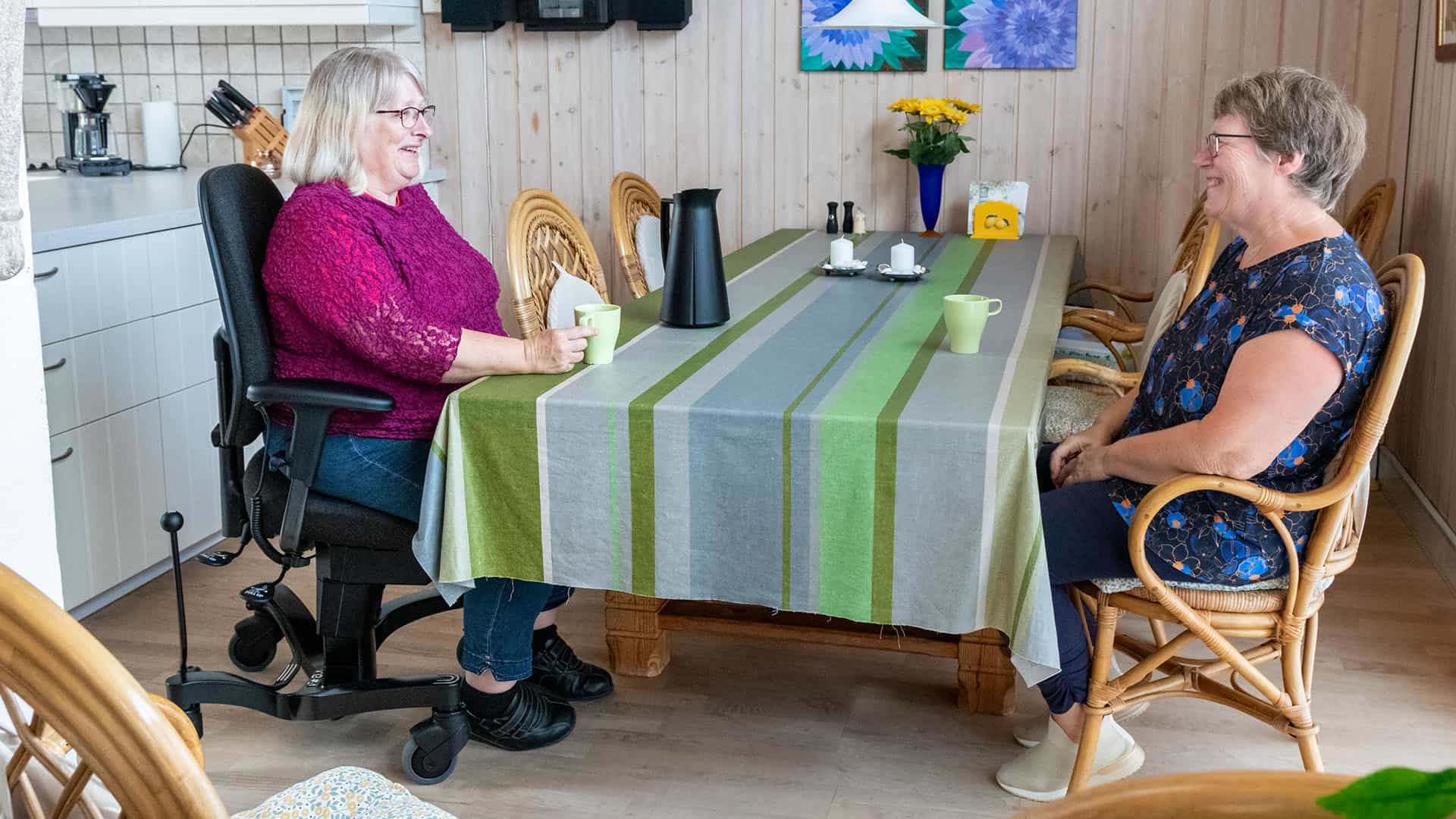
As families consider alternatives to nursing homes, tools like the VELA Independence Chair make staying at home a more viable option. Designed as a medically approved mobility chair for home use, VELA enhances safety, provides freedom of movement while seated, and supports daily activities such as cooking, dressing, and transferring. It also helps ease the burden on informal caregivers, allowing older adults to maintain independence with minimal assistance.
Costs and Financial Assistance for Home Care in Berkeley
Managing the cost of care is a primary concern for many. The CIL offers personal attendant services often on a sliding scale, supported by various grants to offset expenses for necessary home modifications. As noted, the average costs of modifications, such as ramps or grab bars, range from $500 to $5,000, yet CIL’s support often covers these for qualifying individuals, ensuring financial constraints do not hinder access to necessary services.
Real Stories: Experiences from Berkeley Seniors and Families
Stories from the community resonate with themes of resilience and empowerment. For instance, after a stroke, a senior recipient was swiftly equipped with the requisite mobility aid and home adaptations, fostering an environment where security and independence could thrive. Testimonies like these underscore the CIL’s role in transforming lives.
Frequently Asked Questions about Independent Living
- What services does the Center for Independent Living provide for seniors?
- The CIL offers advocacy, resource navigation, and various support services, including access to smart assistive devices and tele-rehabilitation options as part of a technology-integrated approach (CIL Berkeley).
- How can one qualify for attendant services in Berkeley?
- Qualification often depends on need-based assessments and available funding.
- Are cost reduction programs available for home modifications?
- The CIL provides assistance programs to ensure affordability.
- Is remote rehabilitation available to Berkeley residents?
- Yes, tele-rehabilitation and remote monitoring are increasingly standard, supporting access to therapy and rehabilitation at home (NCIL 2025).
Exploring Alternatives to Nursing Homes
For seniors aiming to age in place, mobility solutions like the VELA Independence Chair can be transformative. This innovative chair includes features such as a central brake for enhanced safety, electric height adjustability, and ease of movement while seated. These elements work together to prevent falls, conserve energy, and promote safer transfers, significantly extending the time older adults can remain at home comfortably. Imagine the contrast: with a VELA Chair, a senior can independently cook or comfortably transition from sitting to standing without strain. Though not the only option, VELA presents a practical alternative, supporting values of dignity, freedom, and the ability to carry out everyday tasks with greater ease (mobility solutions for seniors).
Sources
- National Council on Independent Living (NCIL), 2025 Conference Workshops on Aging and Disability Collaboration and Assistive Technology
- The Center for Independent Living (CIL), Berkeley — organizational updates, assistive technology programs, and advocacy
- The Center for Independent Living official site — programs and community services in Berkeley and Alameda County
- Center for Independent Living, Berkeley community support and empowerment initiatives (updated website)