

Updated September 2025: We have updated the article to reflect recent trends in assistive technology, including the integration of AI and smart home devices, as well as new clinical recommendations on hybrid rehabilitation models. The article now includes information on user-centered co-design, updated regulatory standards, and current community advocacy activities relevant to independent living in Boston.
Empowering Lives: The Boston Center for Independent Living
The Boston Center for Independent Living (BCIL) is a vital nonprofit organization dedicated to empowering individuals with disabilities to live independent and fulfilling lives. Since its establishment in 1974 by visionaries with disabilities themselves, BCIL has been a beacon of advocacy and support in navigating the complexities of disability rights. According to Boston Center for Independent Living, BCIL’s unique aspect lies in its leadership and governance by individuals with disabilities, offering an authentic perspective that translates into unparalleled resources and innovation in promoting independent living in Boston.
Enabling Independence: Core Services
BCIL offers a robust suite of core services designed to empower individuals with disabilities. These include Information and Referral services, Peer Counseling, Skills Training, and Advocacy. BCIL acts as a connector and guide, helping individuals to secure crucial resources related to housing, healthcare, and civil rights. For example, one practical scenario involves an elderly individual who transitioned from a nursing home back into community living with BCIL’s tailored assistance. By providing targeted skills training and advocacy, BCIL supported this individual’s journey toward regaining autonomy and independence. For detailed insights, refer to Massachusetts Statewide Independent Living Council.
Specialized Programs: Tailoring Support for Diverse Needs
BCIL’s commitment to specialized services is evident in its Options Counseling and Transition to Adulthood Program (TAP). According to Boston Center for Independent Living, Options Counseling offers individuals critical information on long-term services to support home-based independence, essential for those in institutional settings or at risk of losing autonomy at home. TAP supports youths aged 14-22, enabling them to transition into adulthood by providing guidance necessary for pursuing higher education or employment. A noteworthy example involves a young adult who navigated from academia to the job market, illustrating TAP’s transformative power.
Technology, innovation, and contemporary rehabilitation
Recent developments in assistive technology have broadened the possibilities for independent living. There is now a pronounced emphasis on personalized assistive technology, including the integration of AI, smart home devices, and voice-activated controls that allow users to manage their environment and monitor health with greater independence. Innovations such as AI-powered mobility aids and wearable sensors offer enhanced safety and support for rehabilitation, aligning with BCIL’s mission of fostering autonomy for people with disabilities. These technological advances are increasingly designed using user-centered co-design practices, whereby individuals with disabilities actively collaborate with designers and therapists to create adaptable solutions that meet evolving needs (WGBH News).
Contemporary clinical recommendations now highlight hybrid rehabilitation models that combine in-person therapy with tele-rehabilitation and digital coaching apps, improving both the accessibility and consistency of care in urban centers such as Boston. These models can enhance adherence to rehabilitation programs and support positive outcomes for individuals transitioning to, or maintaining, independent living (Massachusetts Statewide Independent Living Council).
Accessibility, inclusion, and community engagement
BCIL’s initiatives transcend services; they pioneer fostering an inclusive community. This commitment is underscored by multilingual service offerings, encompassing languages such as Spanish, Haitian Creole, and American Sign Language, among others. Community events, like the Dr. Marie Feltin Memorial Ceremony, showcase BCIL’s dedication to inclusivity and community building. These events honor those who empower others, providing a platform for community voices and fundraising efforts. Such community involvement is supported by the United Way of Massachusetts Bay, underscoring collective efforts in championing independent living in Boston.
Recent expert and user feedback highlights the vital role of community-based peer mentoring and advocacy in complementing technology and services. Efforts to ensure that devices and programs are culturally and contextually appropriate to Boston’s diverse urban population have become a focus at events such as the annual Massachusetts Statewide Independent Living Conference (Massachusetts Statewide Independent Living Council).
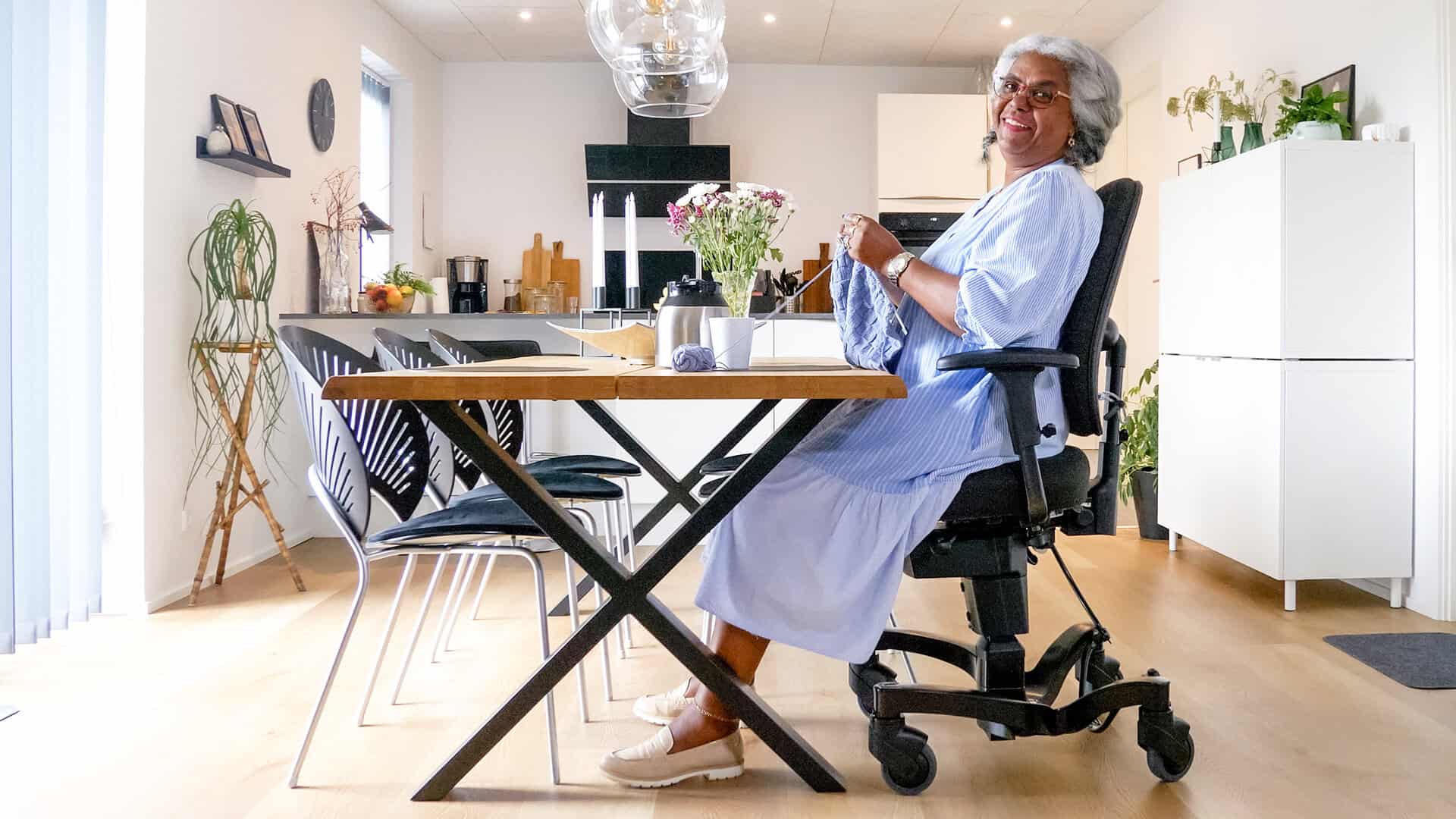
BCIL stands as a critical force in advocating for and empowering individuals with disabilities. Through comprehensive services and specialized programs, BCIL not only supports independent living for Boston residents but also fosters a community valuing inclusivity and empowerment. Mobility aids like those offered by VELA add another critical support layer, aligning with BCIL’s mission to enable independent lifestyles. For a holistic view on senior care practices, Authoritative Senior Home Care Recommendations provides valuable integrated care insights.
In summary, the Boston Center for Independent Living demonstrates how specialized services and community engagement can transform lives. By aligning BCIL’s programs with strategic mobility solutions and contemporary advances in technology and rehabilitation, we pave the way for a future where independence is accessible to all. For the latest updates on regulatory standards and innovations in assistive technology, refer to the US FDA and ADA official websites (FDA, ADA guidelines, 2025).