

Updated January 2026: We have updated the article with new Massachusetts safety reforms for assisted living residences, BCIL’s ongoing advocacy amid Personal Care Attendant shortages, the impact of recent MassHealth funding cuts, and the latest developments in accessibility, emergency preparedness, and public reporting. The article now covers current BCIL workshops and state-level innovations supporting independent living, safety, and affordability.
Updated September 2025: We have updated the article to highlight BCIL’s 50th anniversary, recent trends in holistic rehabilitation, expanded peer support and technology mentoring, updated state-level housing and accessibility policies, and the reaffirmed commitment to ADA enforcement. The article now covers the integration of user-centered assistive technologies, the role of peer mentoring in technology adoption, and the latest advocacy initiatives shaping Boston’s independent living landscape.
Understanding the Boston Center for Independent Living
The Boston Center for Independent Living (BCIL) plays a crucial role in empowering individuals with disabilities, helping them lead independent lives within their communities. The importance of this organization is underscored by their consumer-directed Personal Care Attendant (PCA) program, which supports over 1,200 people annually. This initiative helps many avoid institutionalization and empowers them to pursue employment opportunities. According to the Boston Center for Independent Living Annual Report, BCIL remains a cornerstone for many in the Boston area seeking to maintain independence with dignity.
What Is the Boston Center for Independent Living?
BCIL’s mission is to empower and support individuals with disabilities by offering a broad spectrum of services, including advocacy, peer support, skills training, and PCA services. BCIL aims not only to provide practical aid but also to foster an inclusive community. A notable success story from the BCIL Annual Report illustrates the transition of a client from a nursing home back to community living, demonstrating the center’s capacity to change lives dramatically. With over 4,000 individuals served annually, this center stands as a beacon of hope and support for many.
Who Does BCIL Serve in the Greater Boston Area?
BCIL primarily serves the elderly population and individuals with disabilities in the Greater Boston area. This demographic often contends with mobility limitations and chronic illnesses like diabetes. According to the Massachusetts Statewide Independent Living Council Report, Massachusetts Centers for Independent Living have effectively reached out to more than 30,000 individuals each year. For instance, an elderly person managing diabetes through BCIL’s services can maintain their independence, showcasing how personalized care can significantly enhance life quality.
Navigating Home Care and Independent Living Services in Boston
Understanding how to access BCIL services is crucial for those in need. Eligibility generally includes having a significant physical disability or health condition where home-based care helps prevent institutionalization. Integration of PCA and home care services, often supported by Medicare, is key to BCIL’s offerings. According to Medicare, Medicare covers various services, including some home-based care options. In one case study, a family utilized BCIL services to support an elderly member, demonstrating the program’s impact.
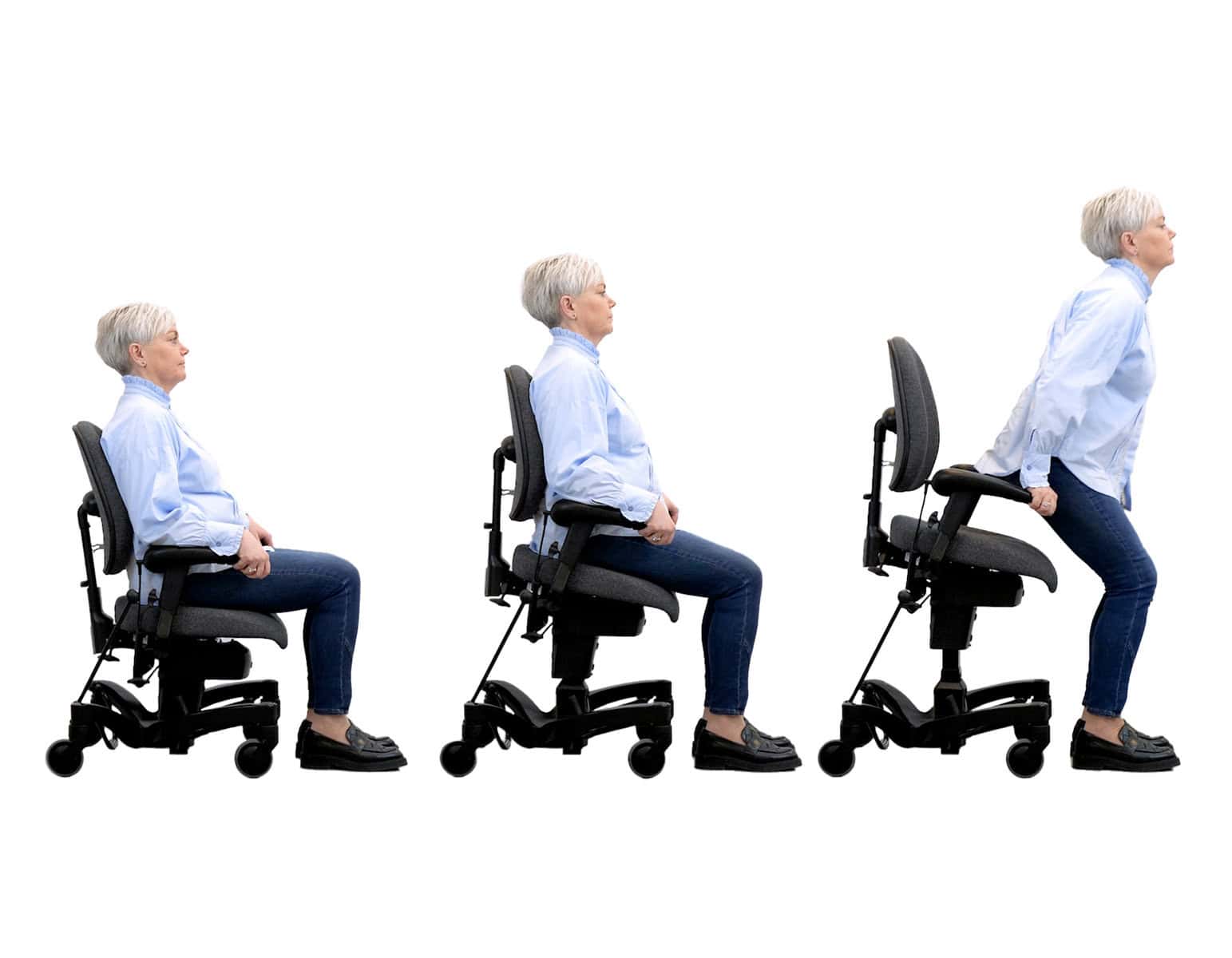
Transitioning from nursing home alternatives to solutions that enhance home independence is an essential part of ensuring comfort and longevity in a familiar environment. As individuals seek to avoid institutionalization, leveraging mobility and supportive solutions at home becomes paramount. One such solution is the VELA Independence Chair, a medically approved mobility chair that enhances safety and facilitates freedom of movement within the home. It supports daily activities like cooking, dressing, or transferring, while reducing the burden on informal caregivers, offering a profound shift towards dignified and independent living.
Recent advancements in assistive technologies and independent living
As BCIL celebrates its 50th anniversary in 2024, the center continues to prioritize ongoing advancements in assistive technology. Developments in accessible transportation, home modifications, and ergonomic assistive devices remain at the forefront of its services, with particular emphasis on user-centered design and peer mentoring to guide the adoption of new technology. While the year did not introduce brand-new devices, the focus on supporting technology tailored to complex mobility needs and integrating digital health tools into assistive solutions is becoming more prominent in the Boston area. Peer mentoring and individualized service plans are now viewed as central to successful technology use, a perspective reinforced by recent independent living and rehabilitation conferences (WGBH Boston News; Coming Home Directory; MASILC 2025 Conference).
Recent regulatory and advocacy updates supporting accessibility
Massachusetts remains strongly committed to supporting independent living through ongoing Medicaid-funded PCA programs and newly strengthened policies on accessible, affordable housing. In 2025, state housing initiatives expanded the production of accessible housing and increased availability of housing vouchers for people with disabilities. Advocacy from BCIL and affiliated Independent Living Centers has been critical in shaping these policies, ensuring user perspectives are included. The 35th anniversary of the Americans with Disabilities Act (ADA) in 2025 brought renewed attention to accessibility requirements and enforcement across Massachusetts, highlighting institutional efforts to reduce barriers for independent living. These initiatives reinforce BCIL’s pivotal role in regional advocacy and user empowerment (WGBH Boston News; MASILC News; MetroWest Center for Independent Living News).
Enhancements in safety, staffing, and transparency for independent living
In response to heightened concerns about resident safety following the January 2026 ALR Commission report and a tragic fire at Gabriel House, Massachusetts enacted significant assisted living residence (ALR) reforms in mid-2025. These reforms include strict fire safety requirements, improved emergency preparedness, and new staffing standards such as authorizing certified medication aides. There is now greater transparency with public reporting and a statewide registry for ALR directors, as well as modernized building codes. For people with disabilities and their families, these changes mean improved safety, oversight, and inclusion within the independent and assisted living sectors. BCIL and other advocates are monitoring the implementation of these reforms to ensure they truly benefit residents and address their needs in both congregate and home settings (Healey announces safety reforms, 2026; Fire prompts safety reforms, 2026).
Affordability and access: Supporting low- and middle-income residents
The creation of an Affordability Task Force in 2025 places new emphasis on improving access to ALRs and independent living for low- and middle-income residents. BCIL continues advocacy for equitable housing and service funding, especially important as MassHealth (Massachusetts Medicaid) faces proposed budget cuts that threaten services for older adults and people with disabilities beginning in FY2026. The center promotes transparent policymaking, frequent user input, and active participation in commissions and statewide advocacy to sustain critical programs and ensure ongoing inclusion for those at risk of losing their independence due to cost barriers (The State of the Commonwealth, 2026).
BCIL’s advocacy, outreach, and current programming
BCIL continues its leadership in accessible transportation, assistive technology, and PCA program advocacy while addressing a persistent workforce shortage. The organization regularly hosts monthly affordable housing workshops and participates in statewide coalitions, including events like the annual Massachusetts Independent Living Conference and continued collaboration to navigate transportation and vocational rehabilitation systems. These efforts, combined with the latest feedback from people with disabilities, inform BCIL’s service planning for 2026 and beyond (Boston Center for Independent Living – MASILC; MASILC News; BCIL Events June 2026).
Mental health, peer support, and holistic wellness
Recent trends highlighted at the 2025 Massachusetts Independent Living Conference emphasized the importance of holistic, community-based rehabilitation approaches. These combine skill-building, peer support, and individualized advocacy with technological aids to ensure empowerment and reduce dependency. There is growing recognition of peer mentoring as a cornerstone for emotional support and technology adoption. BCIL’s evolving programs now address mental health, stress management, and social connection more directly, reflecting feedback from individuals with disabilities who value empowerment and emotional wellbeing as much as physical support (MASILC 2025 Conference; Coming Home Directory).
Unique Programs Supporting Independent Living in Boston
BCIL offers several distinctive programs, including youth transition initiatives and employment support, to aid the personal and professional growth of individuals with disabilities. The center’s leadership in community integration and civil rights advocacy ensures accessibility improvements across Boston. As showcased during its 50th anniversary celebrations, BCIL’s long-term advocacy directly results in enhanced public spaces and increased housing opportunities for people with disabilities (WGBH Boston News). In recent years, the organization has emphasized integrating new adaptive technologies, user-driven innovation, and peer mentoring to address evolving mobility and accessibility needs. These efforts ensure that support is empowering, community-driven, and tailored to the individual.
Staying Independent at Home with Support
Exploring alternatives to nursing homes is critical for empowering individuals to stay independent longer in the comfort of their own homes. Mobility solutions like the VELA Chairs offer innovative features that address safety, energy, and ease of transfer challenges. With an accessible central brake for added safety, electric height adjustability, and ease of movement while seated, a VELA Chair enhances daily living activities such as cooking and cleaning. This not only extends independence but also promotes dignity and security, delaying the potential need for nursing home placement. While various assistive seating solutions exist, VELA provides a practical and proven option for those wishing to maintain autonomy in their living environment.
- Boston Center for Independent Living marks 50 years, with stories and program overview — WGBH News, Sep 2024
- Boston Center for Independent Living services and community resources — Coming Home Directory, Sept 2025
- Massachusetts Independent Living Conference 2025 agenda and focus on rehabilitation/advocacy — MASILC.org
- MASILC news including Accessible Affordable Housing report and ADA 35th anniversary events — MASILC.org News
- MetroWest Center for Independent Living reports on housing initiatives and ADA enforcement — mwcil.org News
- Official listings and support for Independent Living Centers in Massachusetts — Mass.gov
- Healey announces safety reforms following release of the ALR Commission’s final report — The Boston Sun, Jan 2026
- Fire that killed 10 at an assisted living facility prompts Massachusetts to enact safety reforms — Las Vegas Sun, Jan 2026
- Boston Center for Independent Living — MASILC official listing, 2026
- BCIL monthly affordable housing and advocacy events — June 2026
- The State of the Commonwealth as Viewed by Older Adults, People with Disabilities and Caregivers — Dignity Alliance MA, Jan 2026