

Updated September 2025: We have updated the article with the latest advancements in assistive technology, including AI-powered devices, wearable solutions, and immersive training tools. New developments such as real-time AI scene description, advanced prosthetic limbs, and live speech-to-text glasses are now featured to better demonstrate the evolving support for independent living.
Empowering Independence: The Center for Independent Living Fort Lauderdale
In the bustling community of Fort Lauderdale, the demand for independent living resources is rising, spurred by the “silver tsunami,” a term describing the aging baby boomer population. Broward County Commissioner Steve Geller has expressed concern over this demographic shift, noting its impact on local resources. According to HousingWire, the impact is significant. At the heart of efforts to meet these challenges is the Center for Independent Living of Broward (CILB), a nonprofit organization dedicated to empowering individuals with disabilities through critical support and resources that promote independence and self-sufficiency.
CILB’s Mission: Fostering Independence and Self-Sufficiency
CILB adheres to the philosophy that every individual, regardless of physical capabilities, deserves dignity and full societal inclusion. Since its inception in 1991, the CILB has positively impacted over 60,000 individuals by providing them with tools and skills for independent living. As noted by CILBroward.org, this mission is evidenced by stories of individuals who achieve newfound confidence and autonomy, such as a recent success story where an individual in CILB’s training program gained and maintained employment, illustrating the organization’s profound impact.
Real-Life Empowerment and Training
Take, for instance, an elderly participant who, through CILB’s independent living skills training, mastered daily household tasks, fostering self-reliance and enabling them to engage more actively in community social events. These real-life transformations showcase CILB’s dedication to creating customized pathways to independence.
Comprehensive Services Transforming Lives
CILB provides a range of services that are crucial for individuals striving to live independently. These include:
- Information and Referral: Facilitating connections to essential local resources.
- Independent Living Skills Training: Providing practical instruction in everyday tasks to promote self-reliance.
- Individual and Systems Advocacy: Defending and promoting the rights of individuals with disabilities.
- Peer Counseling: Offering support through shared experiences.
- Transition Services: Assisting individuals transitioning from institutional settings to community-based living.
For more information, visit Florida CILs.
Transition Success Story
An inspiring example is a senior who transitioned from nursing home care to living in a community apartment, supported by CILB’s structured guidance and resources. This move not only improved the individual’s quality of life but also exemplified the pivotal role CILB plays in promoting independent living.
Innovative Programs: Bridging Gaps with Creativity
CILB’s impact extends beyond its core services through specialized programs such as the State Housing Initiative Partnership Program and the Assistive Device Loan Closet. These initiatives provide critical home modifications and access to assistive devices, enhancing mobility and independence. Additional information can be found at CIL-NET.
Assistive Device Example
Consider a situation where a senior, previously facing mobility restrictions, was loaned a wheelchair through the Assistive Device Loan Closet. This not only advanced their freedom of movement but also significantly improved their daily living experience.
Advancing Technology to Enhance Independence
Recent technological innovations are transforming how people with disabilities maintain independence and engage with their communities. Modern assistive technology now includes AI-powered devices, wearable solutions, and immersive digital tools designed with user-centered principles. For individuals with visual impairments, AI-driven smart glasses—such as Meta’s Ray-Ban Smart Glasses with “Live AI” mode—provide real-time scene descriptions, fostering hands-free interaction and increased situational awareness. Similarly, advanced wearable prosthetics like the Bio Leg adapt naturally to movement, and AI-based speech converters such as Bling offer improved communication for those with speech disabilities. Real-time speech-to-text solutions, including XanderGlasses Connect, now allow users with hearing loss to participate more fully in both social and medical environments. Virtual and augmented reality (VR/AR) tools have introduced immersive practices to rehabilitation and skill training, supporting both daily living tasks and outdoor navigation. These solutions highlight the growing commitment to individualized, responsive assistive technologies that empower users’ independence and self-sufficiency.[1][2][4][5]
Enhancing Safety and Mobility
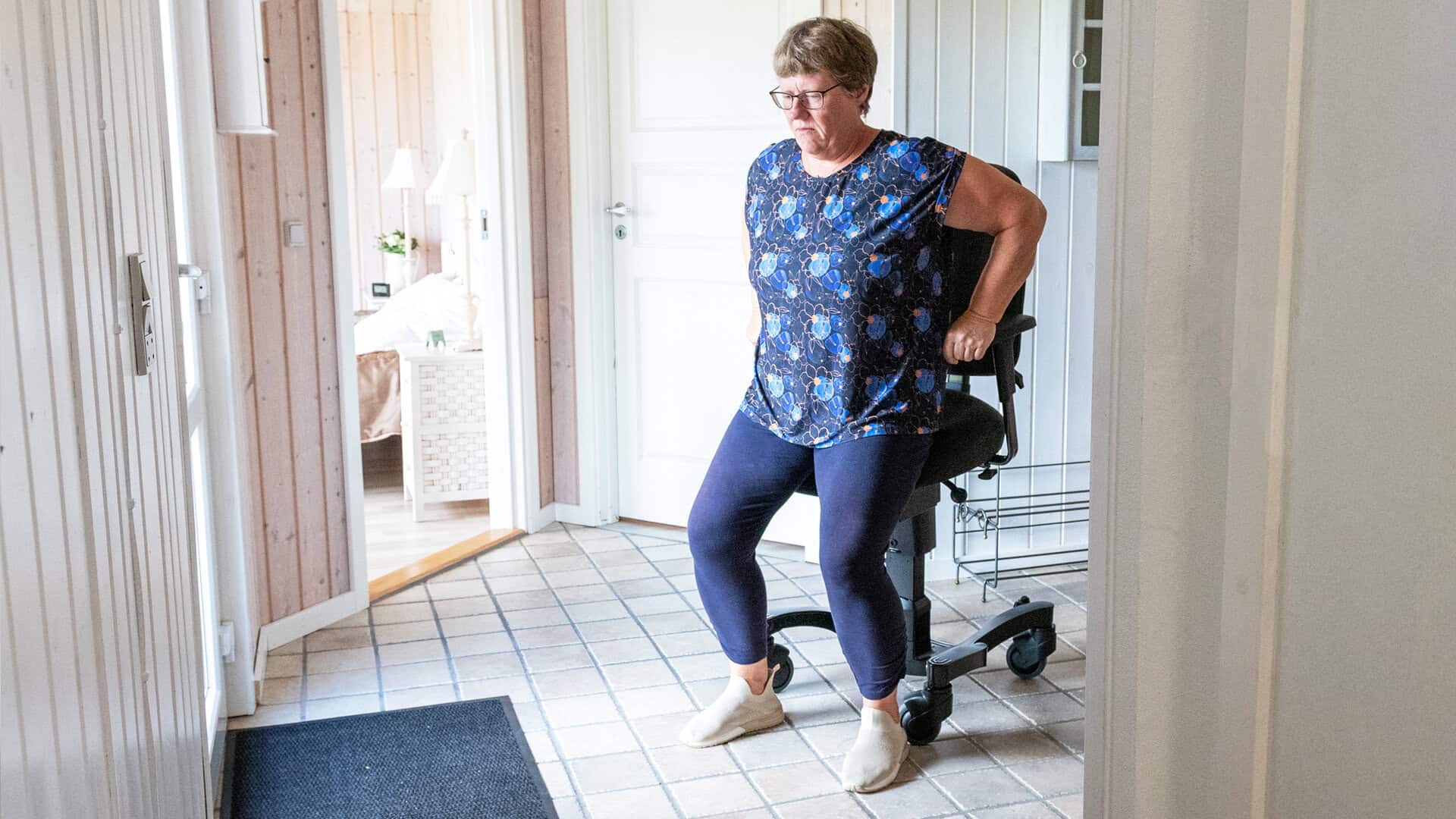
Many seniors wish to avoid the restrictive nature of nursing homes and remain in their own residences. For many, the solution lies in using products like the VELA Independence Chair, a medically approved mobility chair designed specifically for home use. This chair enhances safety, offering freedom of movement while seated and support for daily activities such as cooking, dressing, or transferring. By alleviating some of the physical burdens from informal caregivers, it ensures that seniors can maintain their dignity and independence.
Supporting Aging in Place: A Practical Option
The desire for aging in place—living in one’s home independently for as long as possible—is a common goal for seniors. Innovative mobility solutions like the VELA Independence Chair play a critical role in achieving this. Features such as the central brake provide enhanced safety and fall prevention. For more details, visit Safety Chairs for Seniors. These aids allow seniors to experience an enriched quality of life, managing everyday tasks like cooking and cleaning. While there are various mobility solutions available, VELA chairs represent a proven, practical option that helps maintain the dignity and freedom of seniors, potentially delaying the need for nursing home care.
References
- [1] Envision’s insights on AI assistants and future of assistive tech (2025)
- [2] CES 2025 award-winning assistive technology innovations (prosthetics, speech conversion, hearing aid glasses)
- [4] Meta Ray-Ban Smart Glasses Live AI feature for real-time visual assistance: faftb.com August 2025 update
- [5] 2025 Special Issue call for papers on advancements in assistive technology for blindness and low vision, including VR/AR and AI tools: afb.org, Journal of Visual Impairment & Blindness (JVIB)