

Updated September 2025: We have updated the article with the latest advances in smart, AI-enhanced assistive technology, innovations in mobility aids and rehabilitation strategies, expanded funding opportunities for adaptive devices, and new policy recommendations from global health authorities to ensure equitable access for seniors and persons with disabilities.
The Role of the Center for Independent Living in Gainesville, FL
The Center for Independent Living of North Central Florida (CILNCF) is a cornerstone in support services for Gainesville’s growing elderly population, which constitutes approximately 11.66% of the city’s residents. According to Neilsberg, this demographic’s expanding needs make CILNCF essential. The center provides advocacy, independent living skills, and durable medical equipment to empower seniors, as confirmed by CILNCF’s official website.
What Is the Center for Independent Living in Gainesville, FL?
The CILNCF is a non-profit organization focused on enhancing the independence and quality of life for individuals with disabilities, including seniors. Community-governed, it offers core services such as advocacy, independent living skills, and peer support, fostering confident and independent living among seniors. For example, consider Mr. Smith, an elderly resident who required home modifications for safety. Through CILNCF’s advocacy services, he secured essential changes, allowing him to stay safely and comfortably in his home, as detailed by CILNCF.
Key Services and Programs for Elderly Residents
CILNCF offers specialized programs for the elderly, like the Durable Medical Equipment Closet and the Wheelchair Ramp Building Program. These initiatives enhance mobility and independence by providing critical resources. Transportation services also play a vital role, ensuring seniors can attend medical appointments and stay active in their communities. Gainesville Chamber details how Mrs. Johnson, a senior citizen, uses these services regularly to attend medical check-ups, significantly impacting her ability to manage her health independently.
Who Qualifies for Independent Living Support?
Eligibility for services provided by CILNCF typically requires disability or age-related needs, with a focus on assisting low-income elders. The referral process involves an application and qualification review, ensuring resources reach those in greatest need. According to Right Service Florida, financial assessments may grant cost-reduction options, allowing individuals like Ms. Garcia, a low-income senior, access to vital services such as free durable medical equipment.
Success Stories: How Local Elders Benefit
The impact of CILNCF shines through in numerous success stories from the community, highlighting the organization’s critical role. One example involved a senior awaiting delayed Medicare coverage who received a much-needed wheelchair through CILNCF’s intervention. Such cases demonstrate the organization’s effectiveness in maintaining seniors’ independence, as corroborated by The Amazing Give.
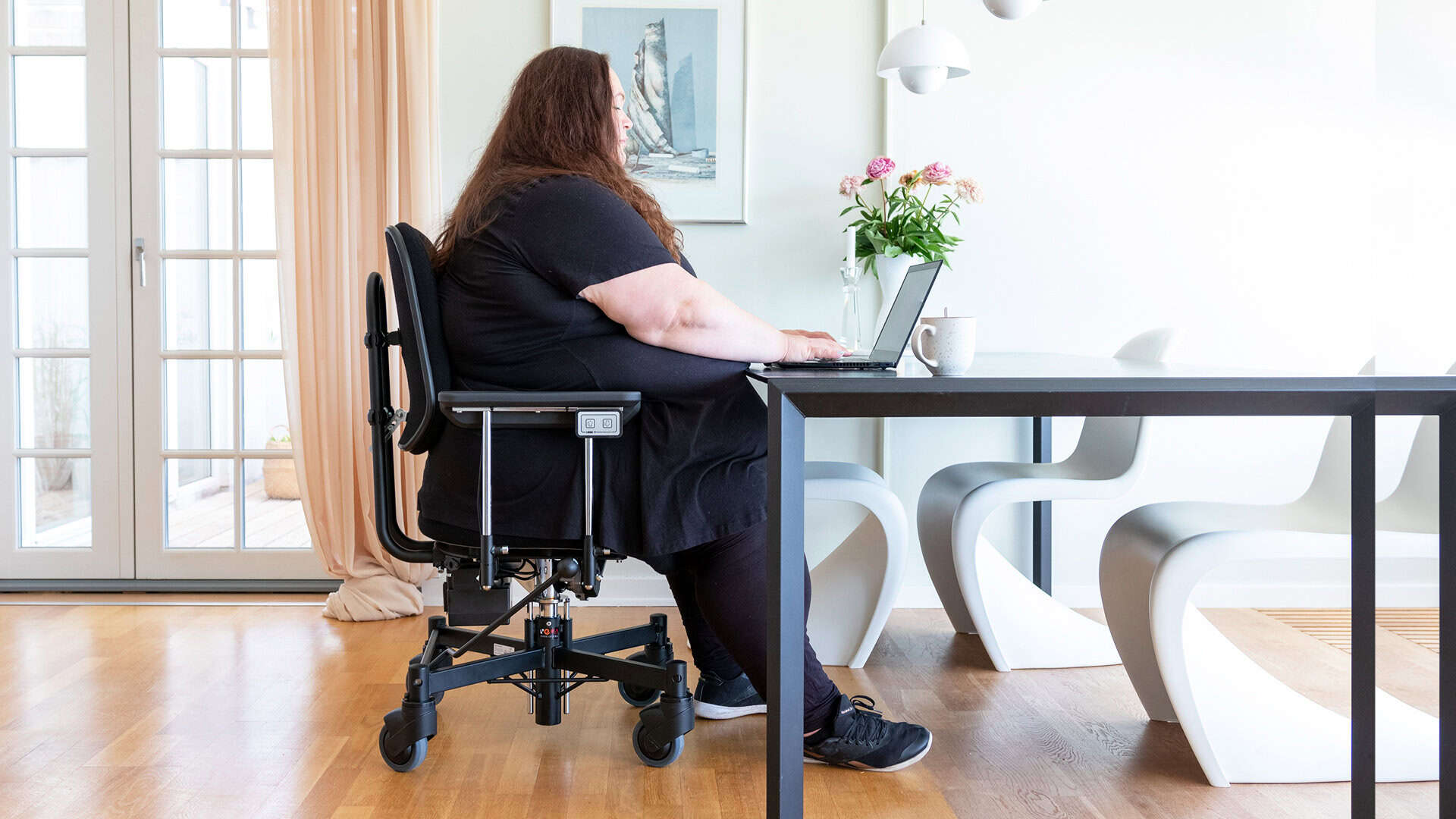
As the demands of aging pose challenges like potential nursing home placement, many seniors seek alternatives that allow them to remain at home. Here, adaptive equipment such as the VELA chair becomes invaluable. Designed as a medically approved mobility chair, VELA offers enhanced safety with features like height adjustability, lockable wheels, and ergonomic support. These benefits enable seniors to perform daily activities—such as cooking, dressing, and transferring—with greater ease and reduce the burden on informal caregivers. Such solutions are pivotal in supporting a senior’s wish to age gracefully in their own home.
Supporting Aging in Place: A Practical Option
Recent advances in assistive technology are greatly expanding opportunities for independent living. In addition to established options like the VELA chair, smart wheelchairs and mobility aids now offer features such as autonomous navigation, app-based controls, and pressure-point monitoring to further increase independence and comfort for seniors and individuals with mobility challenges.[1][2][3][4] Wearable exoskeletons and prosthetics integrated with AI allow for smoother, user-centered mobility and improved rehabilitation outcomes.[2][3] Smart home technologies—including voice-activated and IoT-enabled devices—make everyday tasks safer and more accessible.[1][3]
Rehabilitation practices increasingly blend these advanced technologies with behavioral strategies, focusing on ergonomics and user comfort to improve adherence and outcomes.[6] There is also growing awareness of expanded funding and insurance pathways, as well as charitable grants, making adaptive solutions such as smart wheelchair upgrades more accessible.[4]
Organizations such as the World Health Organization and the Centers for Independent Living are advocating for equitable access and affordability for all types of assistive technology, emphasizing both the importance of innovative devices and the need for broader public policy improvements to ensure everyone can benefit.[7][5]
Adaptive technology like the VELA chair is proving to be a game changer for seniors aiming to maintain their independence at home. Equipped with essential features such as a central brake for increased safety and electric height adjustability, VELA chairs provide not only physical support but also peace of mind. For seniors, this means a significant reduction in fall risks and energy conservation during daily tasks like cooking, cleaning, or relaxing. By facilitating easier movement while seated, the VELA chair helps delay the necessity of moving into a nursing home, complementing the initiative of organizations like CILNCF to promote independent living. While VELA is just one example of smart seating solutions, its thoughtful design underscores the balance of safety, dignity, and autonomy seniors deserve as they age.
Sources
- Tomcare (2025) “Assistive Technologies 2025: Innovations Empowering People with Disabilities” — smart home, wearables, AAC devices. [1]
- National Center for Biotechnology Information (PMC) (2024) “Recent trends in assistive technology for mobility” — user-technology integration in wheelchairs, prosthetics, exoskeletons. [2]
- Equal Accessibility LLC (2025) “Innovations In Assistive Technology” — AI tools, ergonomic devices, prosthetics advances. [3]
- Ability Montana & Ability MT Blog (Aug 2025) “Exciting Assistive Technology for Disabilities” — smart wheelchairs, funding options. [4]
- PR Newswire (2025) “Assistive Technology Market Growth” — market trends, AI, and policy impact. [5]
- Assistive Technology Outcomes and Benefits Journal (Spring 2025) — assistive eyewear, behavioral strategies in rehab. [6]
- World Health Organization (2022, updated 2025) “Assistive Technology Fact Sheet and Global Report” — policy, access, equity, and framework for assistive technology. [7]