

Updated September 2025: We have updated the article to include new developments in AI-powered, wearable, and integrated assistive technologies, such as smart glasses, advanced prosthetics, real-time speech and sign language aids, and the enhanced role of user-centered design in creating accessible solutions. The latest clinical trends and innovative rehabilitation tools supporting independence and inclusion are now reflected.
Synthesizing Independence: Realizing Potential Through Connection
In the United States, the quest for independence by individuals with disabilities is increasingly supported by networks like Connections for Independent Living. This concept promotes a philosophy advocating for autonomy while also referring to a pivotal organization located in Greeley, Colorado. As stated by the Administration for Community Living, independent living centers assist more than 400 clients annually, highlighting their necessity and profound community impact.
Embracing Independence: The Philosophy Behind ILCs
At the core of independent living centers (ILCs) is a philosophy emphasizing consumer control, non-residential service offerings, and an inclusive approach to community engagement. These centers foster environments where people with disabilities can achieve autonomy through community-based services. For example, a 34-year-old client named Jess shared how peer support and advocacy facilitated her transition to an independent lifestyle. Her journey reflects how ILCs serve as vital conduits for empowerment, as noted by Parent Center Hub.
Locating Support: How to Find Your Independent Living Center
Identifying nearby independent living centers is crucial for individuals seeking support. The National Council on Independent Living serves as an invaluable resource in this pursuit. These centers are instrumental in facilitating transitions from institutional to community settings—a transition successfully navigated by many, thanks to the services offered. Resources such as Disability Connect make locating essential support more accessible.
Navigating Essential Services at Independent Living Centers
Every certified independent living center offers five core services: advocacy, peer support, independent living skills development, information and referral, and transition support. Through advocacy, clients can confront obstacles while gaining critical life skills. For instance, Sandra’s path from advocacy assistance to living independently demonstrates the profound impact these services can have. For detailed service descriptions, refer to the Administration for Community Living.
Securing a Home: Housing Options and Integration Support
Housing is integral to independent living. Programs like Housing Choice Vouchers in Colorado offer crucial assistance in maintaining suitable housing for individuals with disabilities. A client, John, previously faced poor living conditions but experienced a significant improvement in his quality of life through this support. Housing assistance provides not only stability but also fosters community integration, which is vital for enhancing individual autonomy, as described by Connections for Independent Living.
Enhancing Mobility and Safety: The Role of VELA Chairs and Innovative Assistive Technology
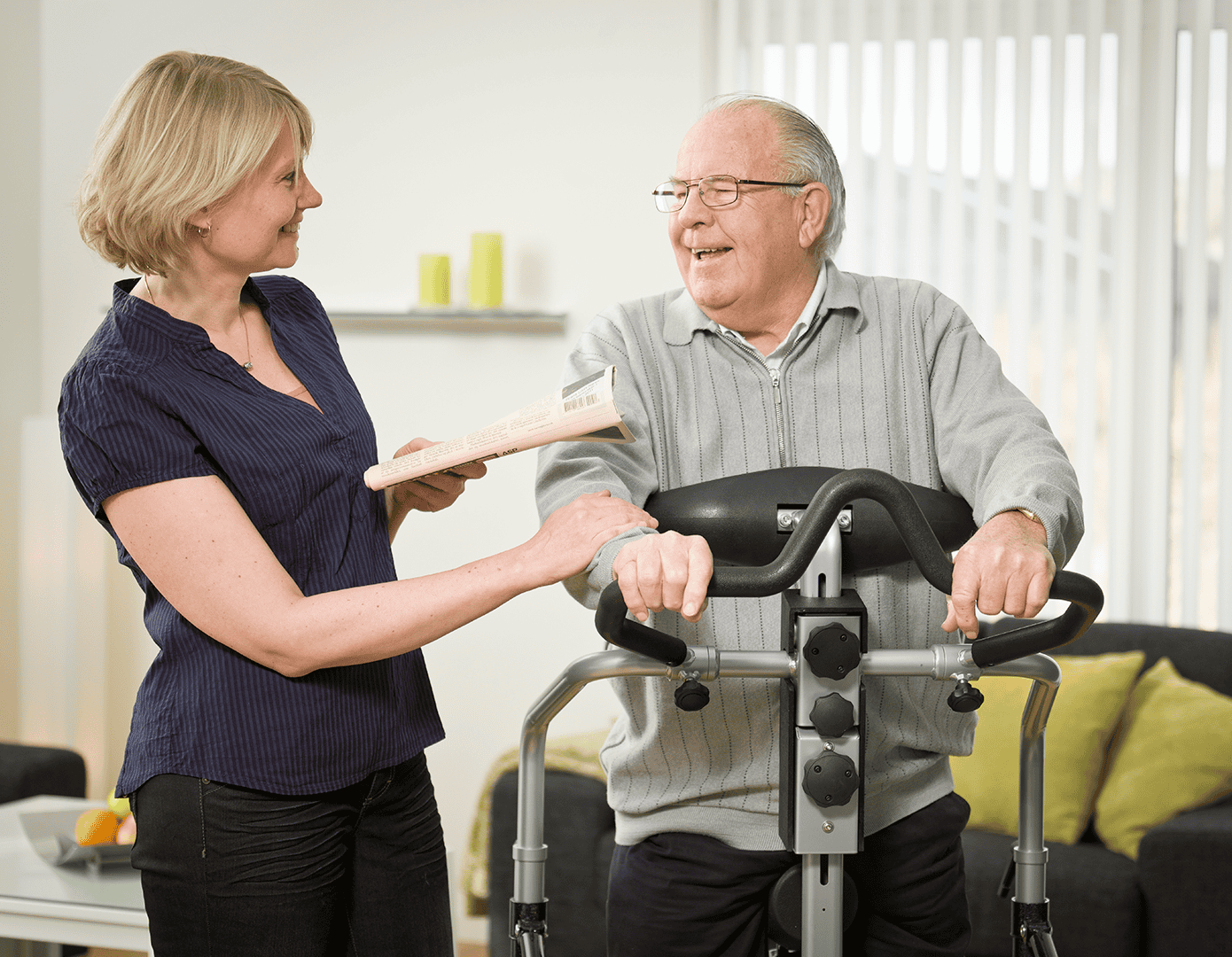
As older adults explore alternatives to nursing homes, maintaining independence in their own homes while ensuring safety becomes a priority. Addressing these challenges today involves not only practical solutions such as the VELA Independence Chair but also advances in assistive technologies that offer new levels of support. Current trends feature AI-powered wearable devices that provide real-time interaction, including smart glasses that deliver hands-free environmental descriptions and object recognition, as well as speech and sign language translation aids that empower users to communicate more effectively. Advanced prosthetics now incorporate sensors and intelligent controls to improve mobility and comfort for amputees, while AI-assisted services connect users with remote agents for navigation, reading, and environmental awareness.
The VELA Independence Chair remains a medically approved mobility aid designed for in-home use. It enhances safety, promotes freedom of movement while seated, and supports day-to-day activities like cooking, dressing, and transferring. In addition, these innovations join a new generation of user-centered, inclusive assistive solutions that alleviate the caregiving burden and further support autonomy for both users and their networks. For additional examples of the latest assistive technologies and how they empower users, visit LetsEnvision Blog, Connsense Report, and Innocaption.
VELA Independence Solutions integrate seamless adjustments and ergonomic features, making them a valuable asset for those who emphasize comfort and autonomy.
Connections for Independent Living exemplify the empowerment and integration achievable through structured support systems. From advocacy to mobility solutions, this network empowers individuals to live dignified and independent lives. As indicated by Colorado Gives, this model not only promotes independence but also invigorates the community involvement necessary for a holistic independent living experience. With ongoing advancements, clinicians and assistive technology users are increasingly emphasizing inclusive design and user-centered development, including virtual and augmented reality tools, accessible programming, and seamless integration of new devices into daily life.[5] Ultimately, for those on the path to independence, these connections are invaluable.
Supporting Aging in Place: A Practical Option
When considering the nuances of aging in place, the integration of practical mobility solutions like VELA chairs emerges as an impactful option. Offering features such as a central brake for safety, electric height adjustability, and ease of movement, these chairs can be life-changing. They address challenges like energy conservation and safe transfers, which are vital for delaying the need to move into a nursing facility.
Recent innovations further support aging in place, including AI-powered wearables, advanced prosthetic devices, organizational and communication tools, and emerging rehabilitation and educational aids.[6] Imagine the difference: with a VELA Chair and complementary modern assistive solutions, tasks like cooking or cleaning become manageable, preserving individual dignity and freedom. While it is not the only choice for maintaining independence, it is a proven and easily accessible solution that contributes significantly to the quality of life at home.
By focusing on safety and self-reliance, VELA chairs and the latest assistive technologies play a critical role in helping seniors and their families navigate the complexities of senior care, one seated adjustment and innovative solution at a time.