

Updated September 2025: We have updated the article to include breakthroughs in AI-enhanced mobility aids, smart home integration, next-generation wearables, and regulatory advances that support senior autonomy. These updates reflect new clinical evidence, innovations in assistive technology, and current trends in independent living since May 2025.
Empowering Independence: Key Insights into Modern Living Solutions for Seniors
As global demographics shift towards an aging population, the independent living landscape is evolving to meet the rising demand for solutions that prioritize autonomy and informed decision-making for seniors and individuals with disabilities. According to Senior Housing News, the independent living market faces an impending $10 billion in loan maturities by 2025, indicative of significant investment and growth potential in this sector. The principle of “consumer control,” as highlighted by the Administration for Community Living (ACL), is central to empowering these individuals by ensuring they have the authority to make informed choices regarding their care and living arrangements.
The Landscape of Independent Living for Older Adults
Independent living is tailored for older adults who value autonomy but do not need the continuous medical care typical of nursing homes. This model is gaining popularity among seniors who experience mobility limitations or cognitive challenges. Success stories like those of the Hebrew SeniorLife Communities, affiliated with Harvard Medical School, exemplify how such communities can deliver high satisfaction by balancing personal freedom with supportive services. By concentrating on adaptive community care, Hebrew SeniorLife ensures a high-quality experience for their residents.
Federal and State Regulations Shaping Independent Living
Federal initiatives such as the Workforce Innovation and Opportunity Act (WIOA) have shaped robust regulatory frameworks that support independent living. As noted by the ACL, these policies are aligned with promoting autonomy while providing necessary support services. On the state level, programs echo federal mandates with specialized adaptations to local contexts. The ILRU Program backs Centers for Independent Living, offering crucial training and technical assistance to enhance service quality and accessibility.
Leading Providers and Community-Based Programs in New York
In New York, organizations like Directions in Independent Living in Olean and Wellsville have been recognized for their comprehensive, tailored services. These programs especially focus on veterans and adults with disabilities under 65, addressing specific challenges through community-based independent living solutions. Testimonials frequently cite the positive impact of specialized support and innovative community involvement initiatives, which are key to the programs’ success.
Integrating Assistive Technology: VELA Chairs and Enhanced Mobility
Navigating the challenges of nursing homes, where continuous medical care often signals a loss of independence, highlights the importance of solutions enabling older adults to remain in their own homes. Empowering individuals with mobility aids is essential for those seeking independence while maintaining safety and comfort. Advancements in 2025 now extend beyond traditional mobility aids; AI-enhanced lightweight exoskeletons and stabilization devices have been clinically proven to improve walking stability by 45%, offering a major reduction in fall risk for seniors and individuals with disabilities. Smart home technology has also advanced, with AI and IoT-driven systems automatically adjusting lighting, temperature, and medication reminders, and providing emergency alerts—all contributing to safer, more autonomous living environments.[1] [2]
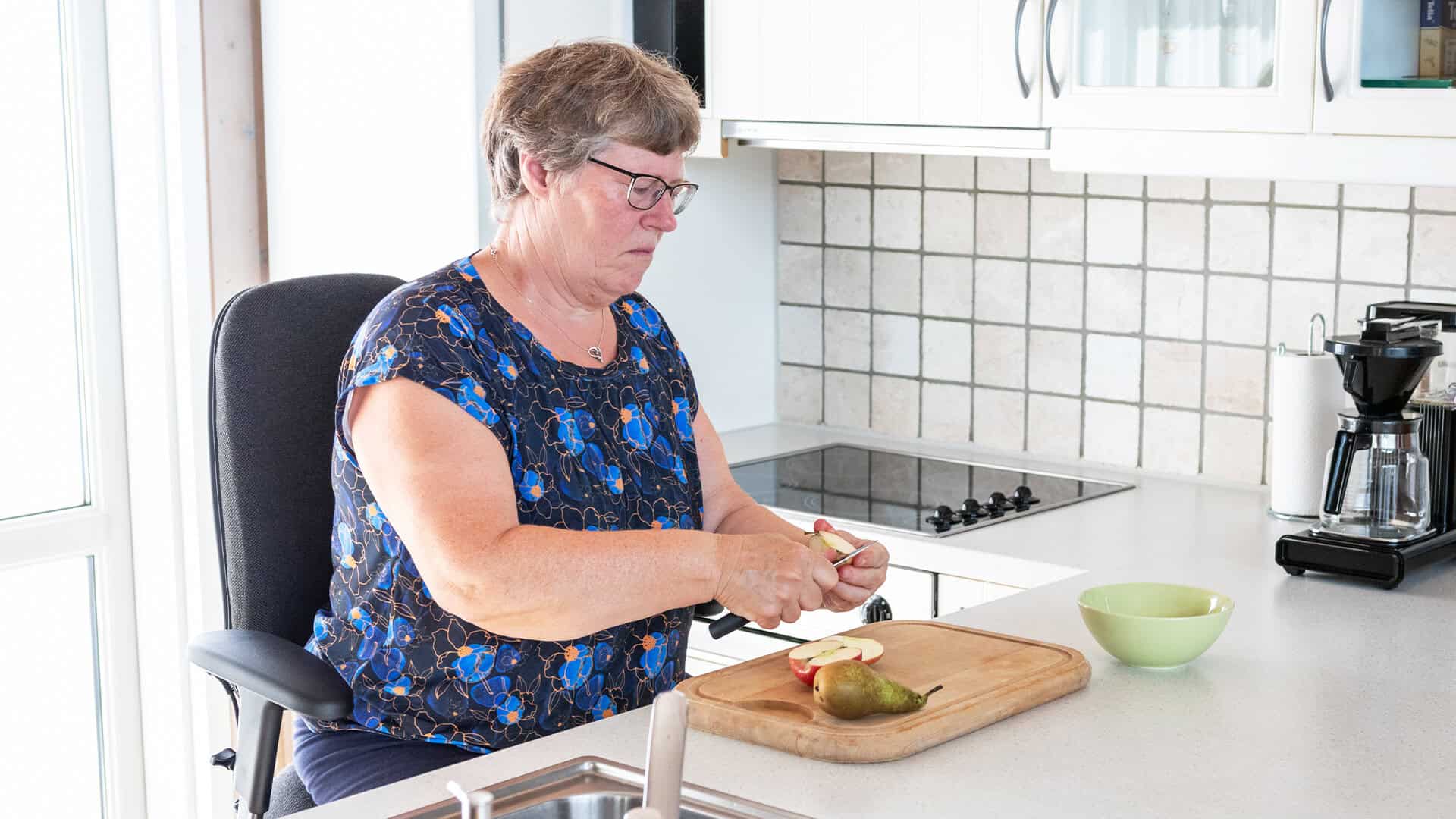
One such solution is the VELA Independence Chair, a medically approved mobility chair designed for home use. It provides enhanced safety, freedom of movement while seated, and support for daily activities such as cooking, dressing, or transferring—crucially reducing the load on informal caregivers. Through these features, VELA chairs offer a practical means to stay independent longer. In addition, next-generation wearables now monitor a broad range of vital signs and early cognitive decline indicators, linking to telemedicine platforms for remote consultations and urgent health alerts, reducing emergency hospitalizations by up to 30%.[3]
The market for assistive devices is expanding rapidly, with innovations such as AI-powered smart glasses, smart prosthetics, and systems with voice or eye-tracking interfaces offering more personalized support. Integrated AI assistants are gaining ground, making technology more accessible and intuitive for seniors, especially those with visual impairments.[4] [5] [6]
In summary, independent living presents a viable, desirable option for seniors, grounded in autonomy and informed decision-making. Backed by comprehensive regulations at both federal and state levels, as well as effective community-based programs, the sector is well-equipped to cater to diverse individual needs. Moreover, the integration of adaptive technologies, such as solutions helping elderly live independently, enhances safety and supports independence, ensuring seniors can enjoy a lifestyle of dignity and freedom. Recent regulatory advances and pandemic-driven measures have further ensured timely access to these evolving technologies, reflecting an adaptable policy environment.
Supporting Aging in Place: A Practical Option
Mobility solutions like the VELA Independence Chair play a vital role in helping seniors maintain their independence and age gracefully at home. With features designed to mitigate common aging challenges—such as an easy-to-operate central brake for safety, electric height adjustability, and smooth movement while seated—this chair aids in daily tasks from cooking to leisurely activities. By enhancing safety, particularly in homes where fall risks are a concern, these chairs delay the transition to nursing homes, preserving energy and dignity. Life without such aids often strains both seniors and caregivers, while a VELA chair supports autonomy and ease. Although it’s one of several options, its proven effectiveness in nurturing independence is undeniable, helping to lower barriers for seniors striving to live self-sufficient lives. For those exploring additional safety measures, fall prevention strategies for elderly serve as a valuable resource.
Sources:
- INTCO Medical: Top 5 Cutting-Edge Equipment for Seniors in 2025
- Heisinger Bluffs: The Future of Senior Living
- ButterflyMX: Senior Living Technology Trends 2025
- Cognitive Market Research: Assistive Technology Market Report 2025
- NextMSC: Disabled and Elderly Assistive Device Market 2025–2030
- Let’s Envision Community Blog: Future Assistive Technology & AI Assistants