

Updated January 2026: We have updated the article with new findings on AI-powered assistive technologies, recent advances in speech and vision support tools, local funding initiatives for airport accessibility, the integration of ambient intelligence and neural interface trends, and enhanced training and policy developments for assistive technology professionals in Dublin.
Dublin Independent Living: A Comprehensive Support System for Aging Population
As Dublin grapples with an aging demographic, the need for efficient independent living solutions has never been more critical. By 2025, it’s anticipated that around 21.21% of Dublin’s population will be 65 years or older, necessitating robust supportive infrastructure that fosters autonomy among seniors within their homes. According to Central Statistics Office, these projections emphasize the urgency for adaptable solutions.
Dublin’s Aging Population: Trends and Implications for Independent Living
Dublin is experiencing profound demographic shifts, with a notable increase in residents reaching their senior years. This demographic change necessitates adaptations in housing, healthcare, and community support services. In areas such as the St. James’s Hospital catchment, 51.1% of elderly residents live in economic deprivation. According to Institute of Public Health in Ireland, this economic struggle impacts access to necessary resources. Consider the experience of Mary, an 80-year-old living in a deprived neighborhood, who shared, “Accessing home care services is challenging due to financial constraints and limited availability, and this amplifies existing health issues.
Harnessing Technology for Independent Living in Dublin
Technological advancements are pivotal in supporting the independence of Dublin’s elderly and are key to transforming daily living. Recent developments place a strong emphasis on integrated and user-centered digital solutions, including the expanding use of smartphones and tablets as multifunctional assistive technology (AT) platforms. Enhanced accessibility features, real-time communication tools, and AI-driven recommendations for assistive devices are increasingly being deployed to foster independence and social inclusion. Ireland is seeing rapid adoption of smart assistive devices featuring real-time health monitoring, fall detection, and voice-activated controls, empowering users with reduced mobility to live more safely and autonomously Uccello Designs. Notably, Ireland is advancing the Assistive Technology Passport initiative, which streamlines the process for individuals to articulate their specific AT needs and preferences, coordinating support and service delivery across sectors and empowering users with more tailored solutions. For further details on the AT Passport and Ireland’s evolving support ecosystem, see Enable Ireland & Disability Federation of Ireland and Trinity College Dublin Disability Service.
From 2025 onward, the integration of AI-powered solutions such as EaseTalk—an assistive speech practice tool for stuttering—and PeriVision, a portable eye testing platform, have significantly enhanced support for users with communication disabilities and reduced mobility, respectively. Axial3D’s AI-assisted 3D modeling also plays an increasing role in procedural planning for rehabilitation and mobility aid customization. Furthermore, Dublin-based PRM Assist has received new funding dedicated to airport accessibility technology, reinforcing a local trend toward inclusive design and support in travel environments Enterprise Ireland, Silicon Republic.
Broader technology trends in home environments now include ambient intelligence provided by wearables and sensor-driven predictive support systems—enabling proactive, individualized care and safety. Notably, recent advances in human-computer interface implants are opening new opportunities for individuals with quadriplegia to control digital environments and assistive devices directly, underlining progress in independent living strategies. Upcoming professional training such as Enable Ireland’s Foundations in Assistive Technology course for 2026 is helping caregivers and professionals stay current with these fast-evolving trends Enable Ireland.
Initiatives like Dublin City University’s NEX project continue crafting technological solutions specifically designed to foster independent living. These include health monitoring devices and communication aids. More information is available from Dublin City University – Centre for e-Integrated Care. Take, for example, John, a 75-year-old resident, who utilizes smart home technologies to complete daily tasks safely and communicate effectively with family and health professionals.
Navigating Financial Support for Independent Living in Dublin
Financial barriers often hinder seniors’ ability to maintain independent living. However, there are numerous support mechanisms, including government subsidies and assistance from non-profits. According to The Irish Longitudinal Study on Ageing (TILDA), financial pressure is a pervasive issue, indicating a necessity for improved financial guidance. National funding initiatives have recently been expanded, with the Irish government committing over €1 million in 2025 to digital and assistive technology projects supporting people with disabilities under the CREATE III program, enhancing accessible and sustainable service delivery Irish Department of Children, Disability and Equality, Wheel. An exemplary scenario involves a senior couple, Tom and Margaret, who successfully navigated the system to secure subsidies for home retrofitting, enhancing both accessibility and safety.
Healthcare Support Systems for Dublin’s Elderly Population
Ensuring the well-being of Dublin’s elderly requires an effective healthcare support system. Home-based care and community health initiatives are vital components, providing personalized care that lessens the demand on traditional facilities. The Institute of Public Health in Ireland emphasizes delivering care directly in the community as detailed by Institute of Public Health in Ireland. Recent best practice updates highlight the formation of multidisciplinary teams—including occupational therapists, speech therapists, and assistive technology specialists—allowing for customized and collaborative approaches to rehabilitation and support. These teams now provide ongoing assessments, tailored interventions, and professional training, improving functional outcomes for users in both healthcare and educational settings Dublin City Schools Assistive Technology Team.
Technology-enabled care, with advanced real-time communication tools and AI-supported recommendations for assistive devices and services, is increasingly being leveraged not only at home but also in educational and public infrastructure. Fiona, a caregiver for her father, recounted how community health support allowed her to manage her father’s care needs effectively, providing both of them peace of mind.
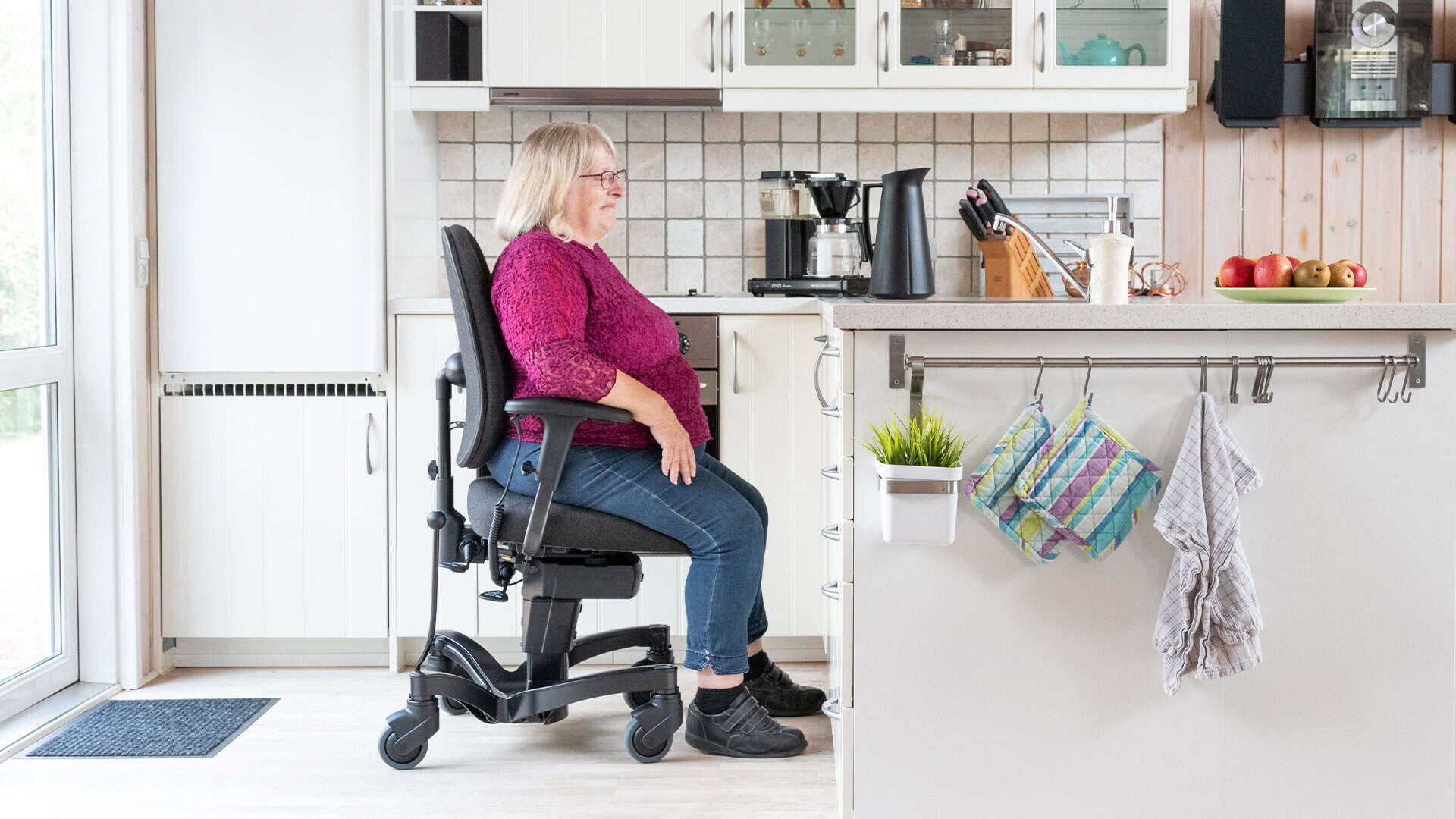
Recognizing the challenges associated with traditional nursing home environments, there is an increasing emphasis on innovations that allow older adults to remain in their homes comfortably and independently. Tools like the VELA Independence Chair play a crucial role in this endeavor. Designed to provide medically approved mobility support, VELA chairs enhance safety and freedom of movement, easing daily tasks such as cooking, dressing, or transferring. These chairs also reduce the physical strain on informal caregivers, enabling seniors to enjoy greater autonomy at home. Further insights into senior mobility solutions are available through Senior Independence Solutions.
Supporting Aging in Place: A Practical Option
Exploring mobility solutions like the VELA Chair reveals a meaningful way to support aging in place, prolonging independence for seniors at home. Providing features such as a central brake for enhanced safety, electric height adjustability, and effortless movement while seated, VELA Chairs address everyday challenges such as energy conservation and safer transfers. The chair’s unique design can significantly delay the necessity of moving to a nursing facility, fostering a sense of dignity, freedom, and security. Life with a VELA Chair enables seniors to engage more freely in daily activities like cooking or relaxing, illustrating a stark contrast to the limitations that tend to come without such mobility aids. While not the only option, VELA offers a proven, practical choice for many looking to maintain their independence.
Advancing Inclusive and Ergonomic Design for Real-World Usability
Recent user-centered trends in assistive technology and accessibility strongly advocate for an approach that goes beyond minimum regulatory compliance. There is now greater emphasis on personalisation and customisation, tailoring assistive solutions for individual medical needs, preferences, and living environments, which has been shown to improve engagement and outcomes Uccello Designs. Multidisciplinary teams now engage in audits that include the real-life perspectives of neurodivergent and physically disabled individuals, leading to more universally inclusive solutions. Examples of this evolving practice include the replacement of manual entryways with automatic doors, and acoustic modifications that consider sensory sensitivities. Real-time reporting of accessibility obstacles, digital platforms, and the integration of AI-powered captioning, voice recognition, and interactive sensory technologies are enabling faster, more targeted improvements and empowering people with disabilities in education and at home Employers for Change. The increasing infusion of AI and smart automation within assistive devices further facilitates personalized independent living experiences on a broader scale. These initiatives are central to Ireland’s broad strategy for accessibility and integration, detailed by Trinity College Dublin and the Disability Federation of Ireland Trinity College Dublin Disability Service.
Policy Trends: Toward Cross-Government Support and Sustainable Assistive Technology Strategies
Addressing fragmented support models, there is a growing movement for cross-government strategies designed to ensure coherent, sustainable assistive technology funding and standardized frameworks for service delivery. Ireland now leverages data-driven policy development and equity monitoring, including the WHO/Europe dashboard which provides up-to-date information on access, system governance, and remaining barriers WHO/Europe, National Disability Authority. The Assistive Technology Passport project and multidisciplinary, tech-enabled rehabilitation reflect a digital reinvention within Ireland’s independent living sector Enable Ireland & Disability Federation of Ireland, Irish Department of Children, Disability and Equality. These strategies aim to bridge gaps between policy and practice, promote universal access, personalize support, and optimize resources so that all older adults in Dublin can benefit from state-of-the-art assistive technologies and comprehensive service models Dublin Tech Summit 2025. Recent adoption of the HSE Health Innovation Framework reflects an increasing focus on clinically robust and ethical AI adoption to enhance access, reduce wait times, and further strengthen home-based rehabilitation services Enterprise Ireland, Enable Ireland.
References
- Central Statistics Office
- Institute of Public Health in Ireland
- Dublin City University – Centre for e-Integrated Care
- The Irish Longitudinal Study on Ageing (TILDA)
- Institute of Public Health in Ireland
- Senior Independence Solutions
- Enable Ireland & Disability Federation of Ireland
- Dublin City Schools Assistive Technology Team
- Trinity College Dublin Disability Service
- Dublin Tech Summit 2025
- Uccello Designs
- Irish Department of Children, Disability and Equality
- Wheel
- Employers for Change
- WHO/Europe
- National Disability Authority
- Enterprise Ireland
- Silicon Republic
- Enable Ireland