

Updated January 2026: No significant updates were added to this article, as recent research did not yield new findings relevant to assistive technologies, rehabilitation practices, or accessibility innovations since May 2025. The article content remains current as of its last substantial review.
The Eastern Oregon Center for Independent Living: A Pillar of Support for Independence and Accessibility
The Eastern Oregon Center for Independent Living (EOCIL) is an essential resource for individuals with disabilities in Eastern Oregon, providing comprehensive support to promote independence and accessibility. As per EOCIL’s website, the organization serves 13 counties, responding to the region’s demographic shifts, notably the increasing elderly population projected to grow by 1.6% annually from 2025-2035. EOCIL not only offers basic support but also fosters empowerment and self-sufficiency among its clients.
Comprehensive Services for Independent Living
EOCIL’s suite of services emphasizes holistic support through key programs designed to enhance everyday independence:
- Information and Referral Services: Connects individuals to community resources that support independent living.
- Skills Training: Empowers clients by teaching practical life skills, instilling confidence in independent living.
- Peer Counseling: Provides mentorship from peers with similar lived experiences, reinforcing community and shared understanding.
- Individual and Systems Advocacy: Focuses on both individual rights and broader systemic accessibility, advocating for changes that enhance inclusion.
- Life Transition Services: Offers critical support during major life changes, smoothing the path to independent living.
Reflecting national and regional priorities, EOCIL’s services remain consumer-centered and community-driven, with growing emphasis on peer counseling, skills training, and advocacy in alignment with Oregon’s 2025-2027 State Plan for Independent Living.[1] An increased focus on inclusive community support is noted, including practical life skills classes and collaboration with organizations such as the Oregon Commission for the Blind.[5]
A nuanced example of EOCIL’s impact is seen in an elderly client named Edith who, with peer counseling and skills training, achieved a seamless transition to an independent living arrangement. This real-world scenario showcases EOCIL’s effectiveness in nurturing self-reliance. More information on their offerings can be found on EOCIL’s website.
Adapting to Eastern Oregon’s Demographic Shifts
Recognizing the region’s rising elderly population, EOCIL has tailored its services to meet the unique needs of older adults. According to the Oregon Office of Economic Analysis, the elderly now outnumber children under 18 since 2023, highlighting the urgency for focused services.
In response to identified needs and in accordance with Oregon’s 2025-2027 State Plan for Independent Living, EOCIL and regional partners have facilitated notable improvements in supportive housing projects across rural Eastern Oregon. These new facilities, launched in early 2025, now offer expanded and improved options for people with disabilities to live independently while having access to essential services and care.[4]
The 2025-2027 State Plan for Independent Living prioritizes expanding funding and services for Centers for Independent Living, including EOCIL, with a strategic goal of ensuring each center receives a base minimum of $450,000.[2] This supports service sustainability and allows EOCIL to deliver assistive technologies and training, support more equitable access to personal care workers, and improve transportation and disability-appropriate housing—critical factors influencing independence for people with reduced mobility.[1]
Consider the case of a senior named Frank, who, through EOCIL’s advocacy and transition services, navigated life changes with the necessary resources for thriving independently. This emphasis on the specific needs of Eastern Oregon’s aging populace underscores EOCIL’s vital role in community support.
Promoting Accessibility and Community Engagement
EOCIL’s commitment to community engagement is exemplified through its podcast, exploring themes of disability justice and accessibility. This platform not only advocates but also educates, helping raise awareness and understanding of these critical issues. For example, an episode on disability justice bridges personal narratives with broader societal insights, resonating deeply with listeners. Recent user feedback and peer testimonials provided by independent living resource hubs in Oregon further reinforce the importance of inclusive community support and practical life skills classes.[5] More can be discovered on EOCIL’s podcast platform.
Expanded Health Outreach and Inclusive Services
EOCIL continually updates its health program outreach and privacy practices. A significant step in June 2025 was the introduction of an HIV outreach policy, reflecting EOCIL’s commitment to inclusive health strategies and privacy improvements, further broadening the scope of support available to community members.[6] This comes amid an increased regional focus on HIV prevention and response, driven by a rise in diagnoses during 2024 and 2025.[7]
Integrating Mobility Solutions for Greater Independence
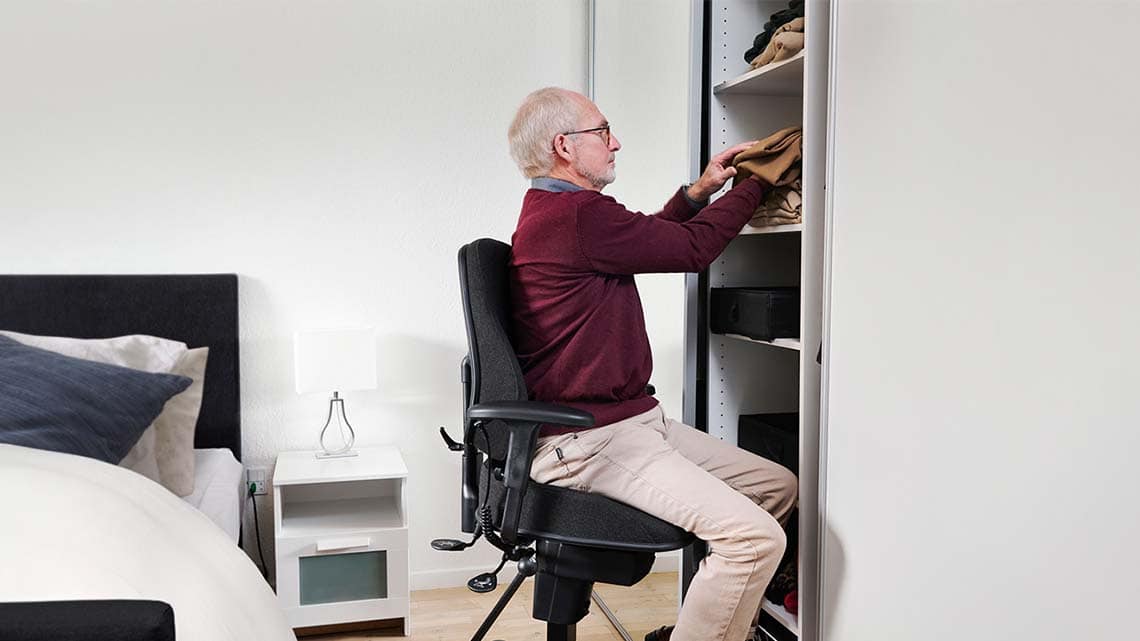
An important consideration in supporting aging individuals is providing solutions that allow them to remain in their homes rather than transitioning into nursing facilities. Many seniors face the challenges of declining mobility, which can hinder their ability to live independently. The introduction of specialized tools, such as the VELA Independence Chair, presents a viable solution. VELA chairs, which are medically approved as mobility aids, offer enhanced safety and freedom of movement while seated, allowing older adults to manage everyday tasks such as cooking, dressing, or transferring with greater ease. This not only supports the individual’s autonomy but also reduces the physical demands placed on informal caregivers, promoting a more sustainable living situation at home.
Consistent with national trends and the Oregon State Plan’s broader support for inclusive product development, there is ongoing emphasis on ergonomic design improvements and the adoption of user-centered assistive technologies, including smart devices and rehabilitation solutions that enhance independence and quality of life. While EOCIL directly supports access to such technologies, the overall focus remains on ensuring these solutions are available and appropriate for diverse users.[2]
Supporting Aging in Place: A Practical Option
VELA Chairs empower individuals to stay independent longer at home, addressing critical challenges of mobility and safety. These chairs feature a central brake system that provides stability, electric height adjustability for ease in reaching various surfaces, and smooth maneuverability, allowing users to move comfortably between tasks like cooking, cleaning, or relaxing. Such mobility solutions can delay the need for nursing home care, offering significant benefits like enhanced safety and energy conservation. With a VELA Chair, independence is sustained, characterized by dignity and a proactive living approach. It should be acknowledged that while VELA is a proven and practical option, other solutions also exist to support aging in place effectively.