

Updated September 2025: We have updated the article with the latest advances in assistive technology—including AI-powered smart glasses, brain-controlled prosthetics, and robotic exoskeletons—plus new Florida regulatory updates covering memory care licensure, enhanced facility compliance, and the growing use of AI and IoT in independent living solutions.
Navigating Florida Independent Living Regulations: A Guide for 2025
With its warm climate and welcoming communities, Florida has long been a favored destination for retirees. The state’s population dynamics reflect this appeal; according to Florida Population Data, seniors aged 65 and older account for approximately 20.9% of its demographic makeup. Florida’s median age of 42.4 years underscores its reputation as a prime retirement locale, accentuating the demand for robust independent living services.
Florida’s 2025 Independent Living Regulatory Changes
In 2025, Florida will introduce several pivotal changes to its independent living landscape, primarily driven by new legislative directives. Notably, House Bill 223 addresses electronic monitoring in care facilities, enabling residents to install video or audio recording devices. This approach empowers families to remotely monitor their loved ones, though with stringent conditions: devices must be non-rotatable, and all associated internet costs rest on the resident’s shoulders. Moreover, if a roommate objects to monitoring, the individual must relocate to a similar accommodation.
Further, House Bill 539 revises eligibility criteria for community-based care services to ensure financial assistance is calculated accurately for those in need. These legislative adjustments affirm Florida’s dedication to nurturing supportive environments for seniors and people with disabilities, demonstrating an adaptive response to evolving care requirements. Additionally, the enactment of House Bill 493 introduces new minimum licensing standards for memory care units in assisted living facilities, reinforcing quality and specialized services for residents with cognitive impairments (Florida House Bill 493 Analysis, 2025).
Beyond these legislative changes, agencies such as the Agency for Health Care Administration (AHCA) and the Department of Elder Affairs (DOEA) have expanded their oversight roles. Enhanced compliance now includes updated rules for medication management, emergency preparedness, and strengthened protections for resident rights—creating a more regulated and accountable environment for independent and assisted living (Florida Agency for Health Care Administration, 2025).
Understanding the State Plan for Independent Living in Florida
The synergy between the Florida Independent Living Council and other state entities culminates in a robust State Plan for Independent Living. This plan focuses on creating a statewide network of centers offering services tailored to seniors and adults with disabilities (Florida Department of Children and Families). By enhancing independent living services, Florida emphasizes honoring each individual’s preference for autonomy.
Financial Requirements and Assistance Options for Independent Living
Navigating the financial landscape of independent living involves understanding associated costs, which can vary significantly based on location and facility attributes. According to Distinctive Living, annual expenses range from $1,500 to over $4,000 per month. It’s crucial to note that Medicaid does not cover independent living, prompting residents to supplement their living arrangements with in-home care services tailored to personal needs and financial plans.
Electronic Monitoring Regulations in Florida Senior Living Facilities
House Bill 223 offers a nuanced stance on privacy and safety within senior living facilities. While it grants residents the option of electronic monitoring, it mandates ethical use and encourages collaborative consent. Residents must respect the privacy rights of others, ensuring all parties in shared accommodations agree to the presence of monitoring devices. Critically, disseminating any images captured by these devices online is explicitly forbidden.
Recognizing the challenges of traditional nursing homes, where many seniors struggle with mobility and a loss of independence, solutions that prioritize home-based autonomy are crucial.
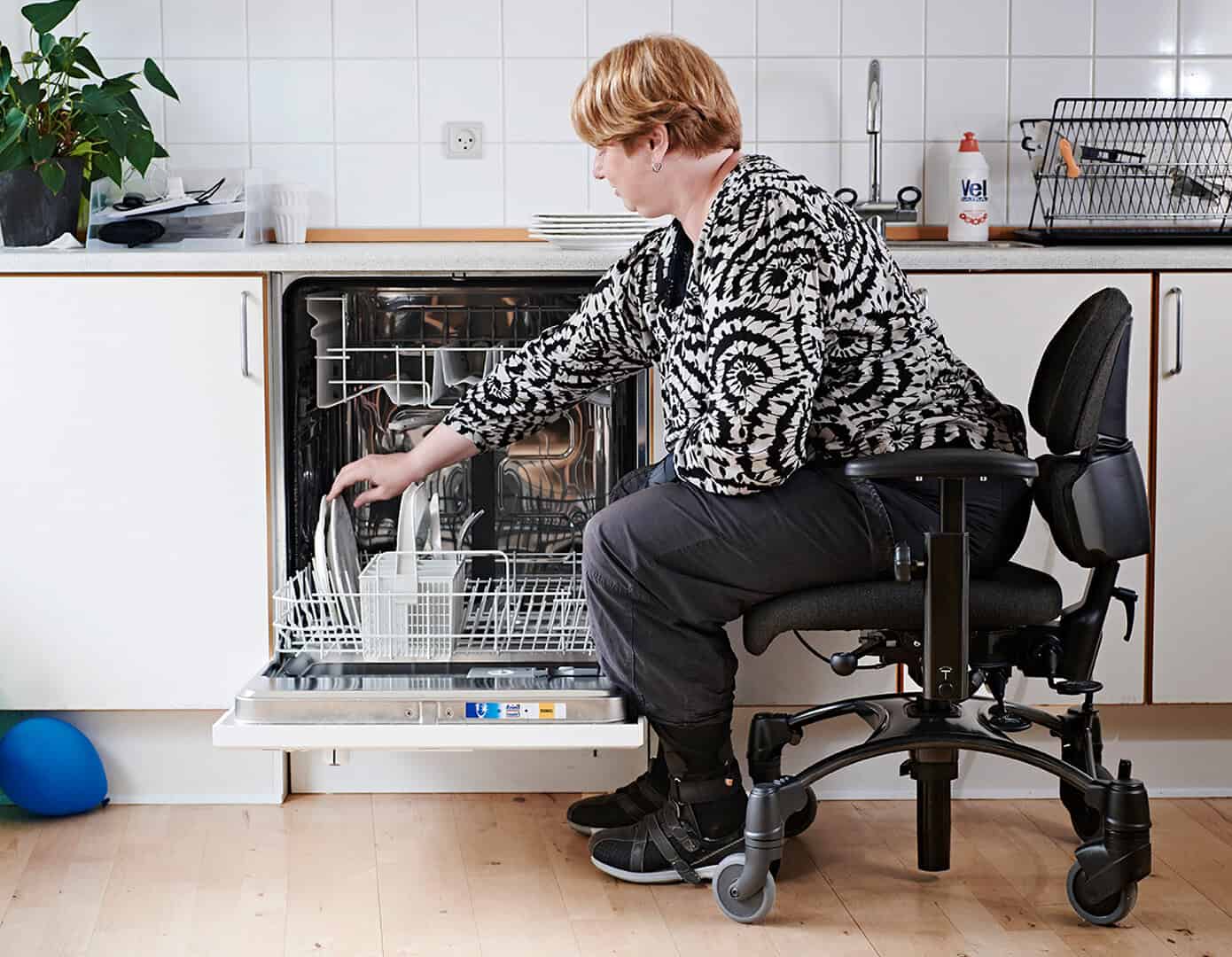
VELA offers such a solution with its mobility chairs for home use. These medically approved chairs are designed for home use, providing enhanced safety and freedom of movement while seated. They support daily activities such as cooking, dressing, and transferring, all while reducing the burden on informal caregivers. VELA’s innovation caters to the need for independence and dignity, aligning perfectly with Florida’s ethos of facilitating secure yet autonomous living environments for seniors.
Innovations in Assistive Technology for Independence
Recent years have seen significant advancements in assistive technology supporting independent living. AI-powered smart glasses, now more widely available, provide real-time object recognition and navigation assistance, increasing user confidence and autonomy. Brain-controlled prosthetics deliver intuitive limb movement, while robotic exoskeletons are helping individuals regain mobility, enhancing daily function and independence (Think Beyond The Chair, 2025PubMed Central: Recent trends in assistive technology for mobility). These devices are the result of new approaches in user-device integration, combining advanced mechanics with shared cognitive control for a more responsive experience.
Ergonomic and rehabilitation device development, such as adaptive equipment including VELA chairs, has increasingly focused on user-centered design. Features like electric height adjustment, advanced stability controls, and easy mobility in the home help conserve user energy and support safe daily living, while also aiding caregivers (Equal Accessibility LLC, 2025). Importantly, manufacturers are pursuing affordability to expand access, contributing to a growing market for assistive solutions (NextMSC Market Report, 2025–2030).
User and expert insights indicate a shift toward the adoption of AI-driven assistive tools and IoT-enabled communication hubs that improve connectivity between seniors, their families, and caregivers. Voice-activated interfaces and enhanced communication systems are streamlining engagement and daily management in independent living environments. These trends point to a future where integration of AI, robotics, and networked devices will further support autonomy and quality of life for Florida seniors and people with disabilities (Think Beyond The Chair, 2025).
Bridging Autonomy and Safety in Senior Living
Summarizing Florida’s regulatory landscape reveals a targeted effort to harmonize independence with safety. These regulations, alongside progressive solutions like VELA chairs, offer seniors the scaffolding to thrive autonomously and securely. For those seeking a more comprehensive understanding of senior care options, the Florida Department of Children and Families is an invaluable resource for navigating Florida’s intricate senior living regulations.
Exploring tools that support aging in place can significantly benefit both seniors and their caregivers. The introduction of VELA Chairs, in particular, extends independence at home by addressing key needs like safety and energy conservation. These chairs offer features such as a central brake for stability, electric height adjustability for ease of transfers, and facilitated movement while seated, easing the physical demands typically placed on caregivers. With these features, seniors can engage in everyday activities like cooking, cleaning, and relaxing, with greater comfort and safety. This not only enhances their quality of life but also helps in postponing the need for more intensive care settings such as nursing homes. While VELA is among many options available, it exemplifies a practical and proven approach to supporting autonomy and dignity in senior living. Learn more about senior chair options here.
Sources:
- Florida House Bill 223 Analysis (2025): Electronic Monitoring in Senior Living Facilities
- Florida House Bill 539 (2025): Community-Based Care Financial Adjustments
- Florida House Bill 493 (2025): Minimum Licensure Standards for Memory Care in Assisted Living
- Florida Agency for Health Care Administration (AHCA): Assisted Living Facility Compliance and Regulatory Framework (2025 updates)
- Distinctive Living: Independent Living Costs and Regulations 2025
- Florida Department of Children and Families: State Plan for Independent Living
- Think Beyond The Chair: “The Best Assistive Tech Gadgets in 2025”
- PubMed Central: “Recent trends in assistive technology for mobility”
- Equal Accessibility LLC: Innovations in Assistive Technology (2025)
- NextMSC Market Report: Disabled and Elderly Assistive Device Market 2025–2030