

Updated September 2025: We have updated the article to reflect the latest advances in assistive technology, including AI and IoT-enabled devices, smart adaptive products, accelerated aging-in-place solutions, and ergonomic, user-centric design trends. The article also addresses updated global policy initiatives and evolving challenges in accessibility and usability for people with disabilities.
Understanding Grace Independent Living: Balancing Independence and Support
Navigating the world of senior living can be a challenge as families seek a balance between independence and essential support. Nearly 30% of older adults live alone, and many require supportive services to age in place safely and with dignity, according to the U.S. Department of Health & Human Services. Grace independent living communities are designed to meet these needs, offering a blend of autonomy and community. Let’s explore how these communities uniquely serve seniors, focusing on their core values, living spaces, engaging programs, and affordability.
Overview of Grace Independent Living: Values & Care Philosophy
Grace communities are rooted in a philosophy that champions dignity, independence, and community integration. Each resident’s unique needs are prioritized, ensuring personalized care and a strong sense of community. For instance, a resident at Grace Senior Living in Sharpsburg, GA, describes the facility as a true home, where kindness and care extend to both residents and families. This commitment to personalized attention fosters trust and contentment, creating an environment where seniors feel both independent and supported. New developments in assistive technology—especially the integration of artificial intelligence (AI) and Internet of Things (IoT)—have become essential for supporting independence and enhancing the quality of life for seniors in these communities [Cognitive Market Research, 2025].
Apartment Options, Accessibility, and Barrier-Free Design
Grace independent living prioritizes accessibility to empower senior independence. Architectural features include barrier-free bathrooms and user-friendly floor plans designed to accommodate residents with mobility challenges. These design choices not only enhance daily convenience but also significantly reduce fall risks, thereby promoting safety. Advances in accessible design now incorporate smart, adaptive devices and AI-powered monitoring systems, such as fall detection sensors, voice-activated assistants, and environment-responsive lighting, which dynamically adapt to users’ needs, supporting safer and more autonomous living environments [LetsEnvision, 2025].
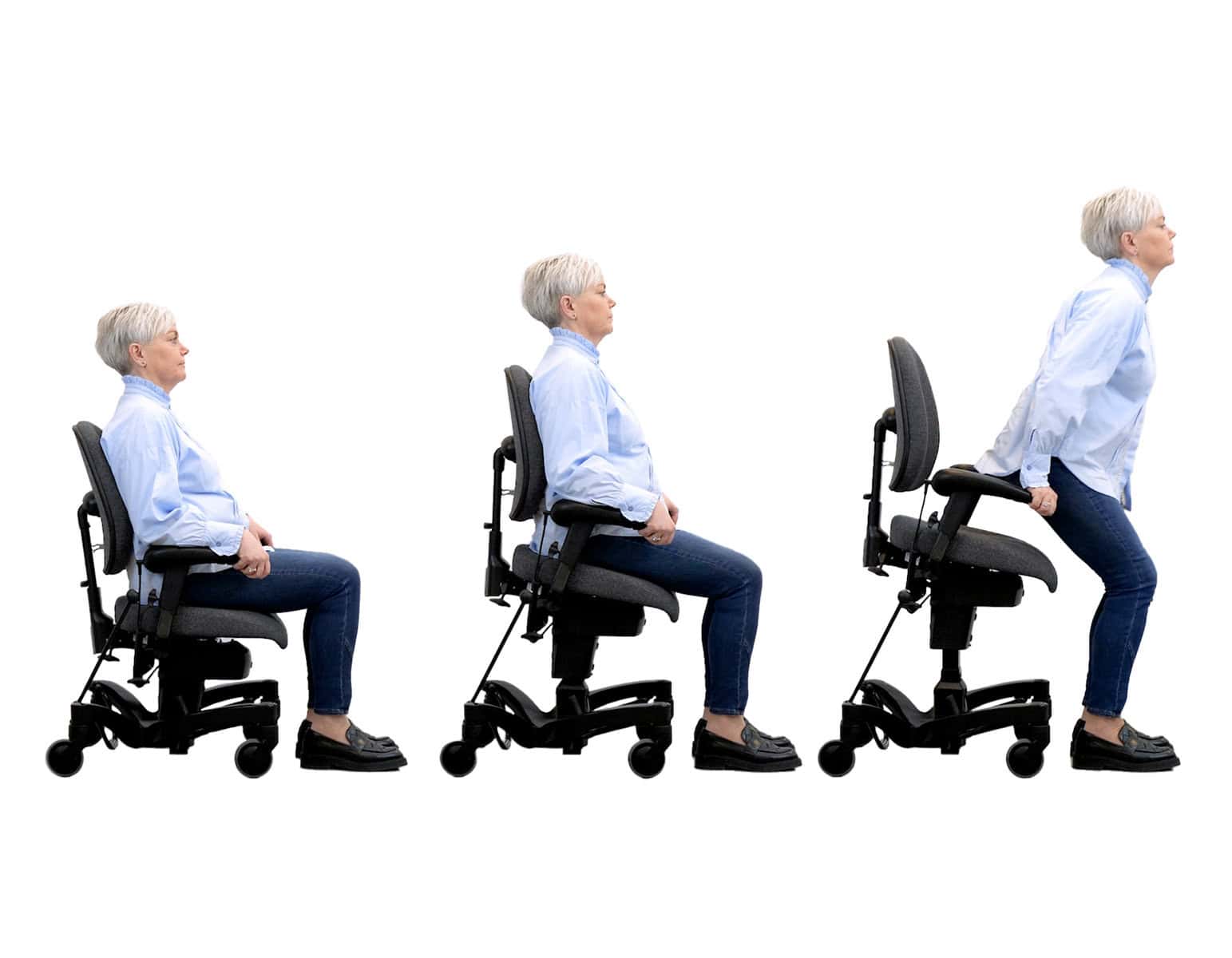
Recognizing the challenges faced by seniors in maintaining independence at home, innovative solutions such as adaptive furniture have become invaluable. Products like the VELA Independence Chair, a medically approved mobility chair designed for home use, enhance safety and freedom of movement. By offering features such as adjustable height for easier transfers, lockable wheels for stability, and ergonomic comfort, the VELA chair supports safe engagement in daily activities like cooking and dressing while minimizing strain on family caregivers. This approach empowers older adults to remain active in their own homes with confidence and autonomy. The latest ergonomic devices are more customizable and affordable than ever, further supporting inclusive environments and personalized comfort [NextMSC, 2025].
Programs, Dining, and Community Activities
A vibrant social calendar is a cornerstone of Grace independent living, enhancing resident satisfaction through diverse programs and events. From gourmet dining options to engaging social events, there is something for everyone. A standout program is the “Mystery Rides” offered in Idaho locations, where residents embark on adventures to unknown destinations, fostering a spirit of fun and discovery. As noted by the Journal of the American Geriatrics Society, well-designed activities and inclusive programs contribute significantly to higher resident satisfaction and social engagement. Incorporating feedback from residents and caregivers has become even more important in designing community activities. Recent trends emphasize technology-enabled participation, such as virtual reality tours, voice-activated booking assistants, and apps that help with scheduling and communication—addressing ongoing usability challenges and enhancing access for people with disabilities [Accessibility.com & WIPO, 2023].
Safety Standards, Staff Training, and Resident Health
Grace independent living communities adhere to rigorous safety standards and provide comprehensive staff training to ensure resident well-being. Facilities are designed to minimize fall risk and have emergency response systems in place, while the staff undergoes regular training in elder care protocols. This is supported by the Centers for Medicare & Medicaid Services, which outlines the compliance requirements for safety and staffing in senior living communities. Global regulatory environments have evolved, with stronger policy support and faster device approvals fostering timely access to new assistive technologies. The World Health Organization (WHO) emphasizes ongoing needs for accessibility, workforce training, service delivery, and inclusive policies to ensure more seniors benefit from innovative technologies and services [WHO, 2025].
Costs, Payment Options, and What’s Included
Affordability and cost transparency are crucial for families considering senior living options. The typical monthly cost for Grace independent living ranges from $2,500 to $4,500, varying regionally. According to A Place for Mom, this cost generally includes amenities such as meals, transportation, and activities, ensuring comprehensive care without unexpected expenses. Understanding these costs helps families make informed decisions that align with their financial plans and care expectations. The trend toward more affordable, customizable assistive technologies—including AI-enabled wearables and adaptive mobility products—has potential to further ease financial barriers and improve daily living at home and in independent living settings [ATIA, 2025].
In reviewing the offerings of Grace independent living, it’s clear that these communities achieve an essential balance of independence, community, and care. Their approach is informed by both industry standards and real-world experience, ensuring that families have access to trustworthy, compassionate environments for their loved ones. As you consider your options, the National Institute on Aging emphasizes the importance of making informed decisions tailored to specific care and lifestyle needs, guiding you toward the best possible choice for senior living. With the growing role of integrated, user-centric assistive technologies and feedback-driven community programs, Grace independent living continues to prioritize accessible, modern, and supportive solutions for seniors and their families [Cognitive Market Research, 2025].