

Updated September 2025: We have updated the article with recent developments from Hawaii’s 2025-2027 State Plan for Independent Living, including expanded outreach, holistic service models, new assistive technologies, and updated person-centered planning guidelines in line with the latest regulatory and funding changes.
Empowering Independence: Hawaii’s Path Forward
As Hawaii’s demographic landscape shifts, the demand for independent living resources grows considerably. According to the report by “Aging and Hawaiʻi’s Generational Economy”, by 2035, one in every four residents will be over the age of 65, underlining the critical need for effective independent living solutions. The Hawaii Center for Independent Living plays a pivotal role in empowering individuals, especially the elderly and those with disabilities, to lead fulfilling lives. This article delves into the mechanisms supporting independent living across the state.
Understanding Independent Living Philosophy in Hawaii
At its core, the independent living philosophy in Hawaii emphasizes empowerment and choice, enabling individuals to live with dignity and autonomy. The Statewide Independent Living Council of Hawaii is a beacon in promoting these values, advocating for integration and accessibility within communities. The 2025-2027 State Plan for Independent Living underscores person-centered planning and a holistic approach, ensuring services adapt to each individual’s unique goals and preferences.[2] Consider the case of Mary, an elderly resident on the Big Island, who successfully lives independently thanks to community resources that focus on tailored care while respecting her autonomy. Her journey is a testament to Hawaii’s commitment to fostering inclusive environments.
Hawaii’s Independent Living Network: Key Organizations
Several key organizations form the backbone of Hawaii’s independent living network:
- Aloha Independent Living Hawaii (AILH): As the sole statewide provider, AILH facilitates access to essential services, supporting individuals in their quest for independence. AILH is committed to fostering self-determination among its clients by offering peer mentoring and skills training, and is actively extending services to underserved rural and island communities in line with 2025 strategic priorities.[2]
- Access to Independence Honolulu: Situated in the heart of Honolulu, this body delivers pivotal support and guidance to those seeking independent living. Their services include personal assistance in navigating available resources and advocating for clients’ rights, with an increased focus on person-centered support following updated Home and Community-Based Services (HCBS) regulations.[7]
- The Arc in Hawaii: Known for providing a variety of residential services, The Arc ensures that care is responsive to individual needs, offering varying levels of supervision. Consider the story of John, who, despite his disabilities, thrives in a residency facilitated by The Arc, enjoying a balanced blend of care and independence.
Services Available Through Hawaii’s Independent Living Centers
Hawaii’s independent living centers offer a plethora of services tailored to foster self-reliance:
- Skill Development and Educational Support: According to the Hawaii Department of Human Services, programs designed to enhance life skills are pivotal for those seeking independence. In 2025, these services are being further strengthened through holistic support plans that now incorporate mental health, life skills training, and coordinated care as part of updated regulatory requirements.[7][2]
- Youth Transition Programs: Organizations like Hale Kipa and Salvation Army Family Intervention Services spearhead initiatives assisting youths aged 12-21 in transitioning to independent living. In addition, the Semi-Independent Living Program, launching in July 2025, introduces expanded housing transition support and wraparound services for young adults and individuals with disabilities.[1]
Residential Options for Independent Living in Hawaii
Exploration of suitable residential options is a cornerstone of successful independent living. Services offered by The Arc provide desirable living settings, tailored to individual needs and eligibility, including those eligible for Medicaid Waiver Services. Housing transition services are being enhanced in 2025 as part of outreach efforts guided by the latest Hawaii State Plan, reflecting the need to reach underserved and rural populations.[2]
Financial resources and support are vital to this journey. Programs assist individuals in securing funding, ensuring financial constraints do not impede the pursuit of independent living. Current policy and advocacy initiatives prioritize maintaining stable funding for critical support programs amidst federal budget uncertainties.[4] Consider the story of Ella and George, an elderly couple recently opting for a Medicaid-supported residency, enabling them to live comfortably within their means without compromising care quality.
Integrating Mobility Solutions with Everyday Life
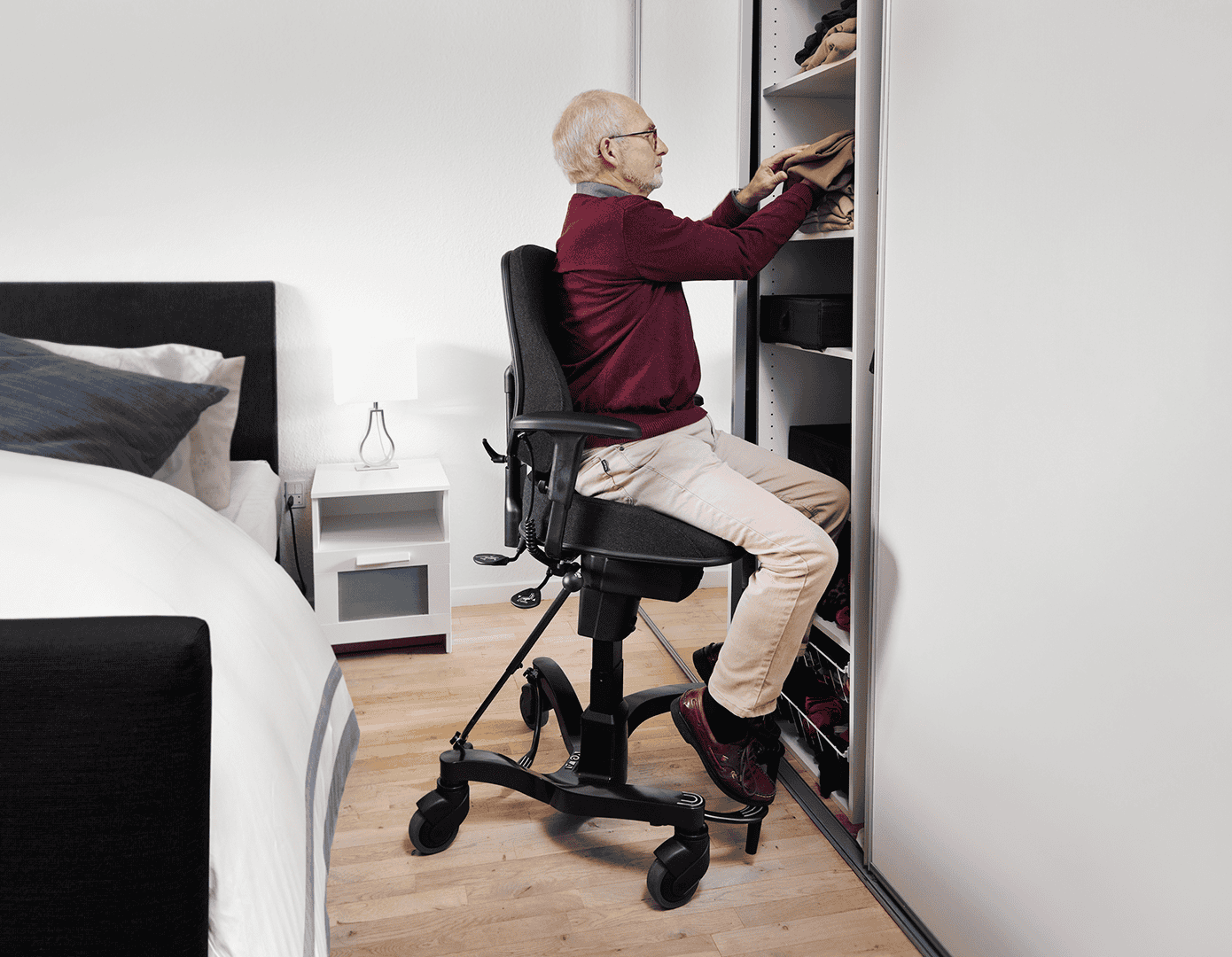
Challenges in maintaining independence often center around the limitations of traditional nursing homes and the strain on informal caregivers. Solutions that enable older adults to remain in their own homes are paramount. Enter VELA chairs—a medically approved mobility solution that meets these needs. These chairs are designed for home use, providing enhanced safety and freedom of movement while seated. In line with innovative trends showcased at the 2025 National Council on Independent Living conference, the latest assistive technologies now integrate adaptive design and, increasingly, AI capabilities to expand accessibility and support users with diverse mobility needs.[5] They support daily activities like cooking, dressing, or transferring, significantly reducing caregiving loads. Such innovations underscore how tailored mobility aids can help preserve dignity and autonomy for the elderly.
How Mobility Solutions Like VELA Make a Difference
Traditional nursing homes can pose challenges related to autonomy and personal comfort. Mobility solutions like VELA Chairs for Support offer a compelling alternative by enhancing independence at home. Key features such as a central brake ensure safety, while electric height adjustability and ease of movement while seated aid in managing daily tasks effortlessly. This can postpone the need for institutional care, helping individuals maintain a desired quality of life longer. These developments reflect the focus on inclusive, ergonomic device innovation identified in Hawaii’s current independent living strategy.[2] Imagine a home filled with freedom and security, where a safety chair transforms routines, from cooking to relaxing. While VELA is a proven solution, it’s part of a larger suite of tools empowering aging with dignity.
References:
- Dynamic Healing Center Semi-Independent Living Program Proposal 2025-2026
- Hawaii State Plan for Independent Living (SPIL) 2025-2027
- Statewide Independent Living Council (SILC) Hawaii
- SILC Hawaii Meeting Minutes June 2025
- National Council on Independent Living 2025 Conference Program
- The Arc in Hawaii – Residential Services
- Administration for Community Living: Policy and Regulations 2024-2028