

Updated January 2026: We have updated the article with recent developments in AI-powered assistive technology, wearable devices for real-time support, and the rise of user-centered, participatory design in independent living solutions. The article now reflects innovations in conversational AI, smart glasses, and a stronger focus on accessibility, as well as a shift in best practices toward co-design and real-world validation.
Enhanced Article: Navigating the Independent Living Landscape
As demographic shifts usher in an era of longevity, specialized housing for seniors becomes increasingly essential. Homes for independent living, or “hil,” offer capable seniors the opportunity to live in a supportive community while maintaining independence. According to the Administration for Community Living, the demand for these communities is expected to rise by 36% within the next decade as the population of those aged 80 and older expands. This article examines the distinct features of independent living communities and their appeal to seniors seeking both autonomy and community.
What Defines Independent Living Communities?
Independent living communities cater to seniors who are largely self-sufficient but wish to engage in social activities and enjoy the convenience of maintenance-free living. These communities differ from assisted living and nursing facilities, focusing on independence and vibrant community life. As SeniorLiving.org points out, these communities attract relatively younger seniors due to their social environment and decreased personal responsibilities. Consider Jean, a vibrant 72-year-old who moved into an independent living community to join yoga classes, art workshops, and enjoy an active social calendar, all while maintaining her independence.
Financial Considerations: Costs, Payment Options, and Value
Understanding the economics of independent living is crucial. Generally, independent living communities offer a range of pricing structures, typically more affordable than assisted living or nursing care since personal care services are not included. As Mordor Intelligence suggests, these facilities offer value through amenities such as fitness centers, dining options, and social activities. For example, a couple might weigh their budget against the amenities offered, ensuring a seamless transition to independent living that aligns with their financial goals.
Future trends: technology integration in independent living
Recent technological advances have significantly reshaped the independent living experience. Starting in 2025, a major shift occurred away from stand-alone apps and traditional smart home gadgets to integrated, conversational AI assistants that respond to real-time needs and provide context-aware support.[1][2] Voice-based interaction now enables intuitive and seamless access to information—particularly helpful for users with reduced mobility or vision.[1] These integrated AI assistants proactively assist with tasks, adapt to habits, and support a higher degree of independence.
Wearable assistive technologies have seen rapid adoption, led by breakthroughs in real-time, live AI features in products such as Meta’s Ray-Ban Smart Glasses.[3] These devices deliver instant audio descriptions of environments, facilitate hands-free information-seeking, and enhance navigation for users with visual impairments.[3][4] Likewise, wearable navigation systems and haptic vests are improving outdoor mobility and environmental awareness, making independent living and community engagement more accessible than ever.[4]
The current trend emphasizes user-centered and ergonomic design, with disabled users actively participating as co-designers in the development of both hardware and software solutions.[4][6] This collaborative approach ensures assistive technologies are not only advanced but genuinely usable and effective, improving adoption and outcomes.
In addition, immersive virtual and augmented reality tools continue to expand, offering new ways for seniors and people with disabilities to practice real-world skills in safe environments and support rehabilitation and independent living goals.[6] Real-world case studies also illustrate the use of assistive technologies in education and employment, such as campus navigation or remote visual interpreting during job interviews, showing that accessibility is now a primary focus in various settings.[2]
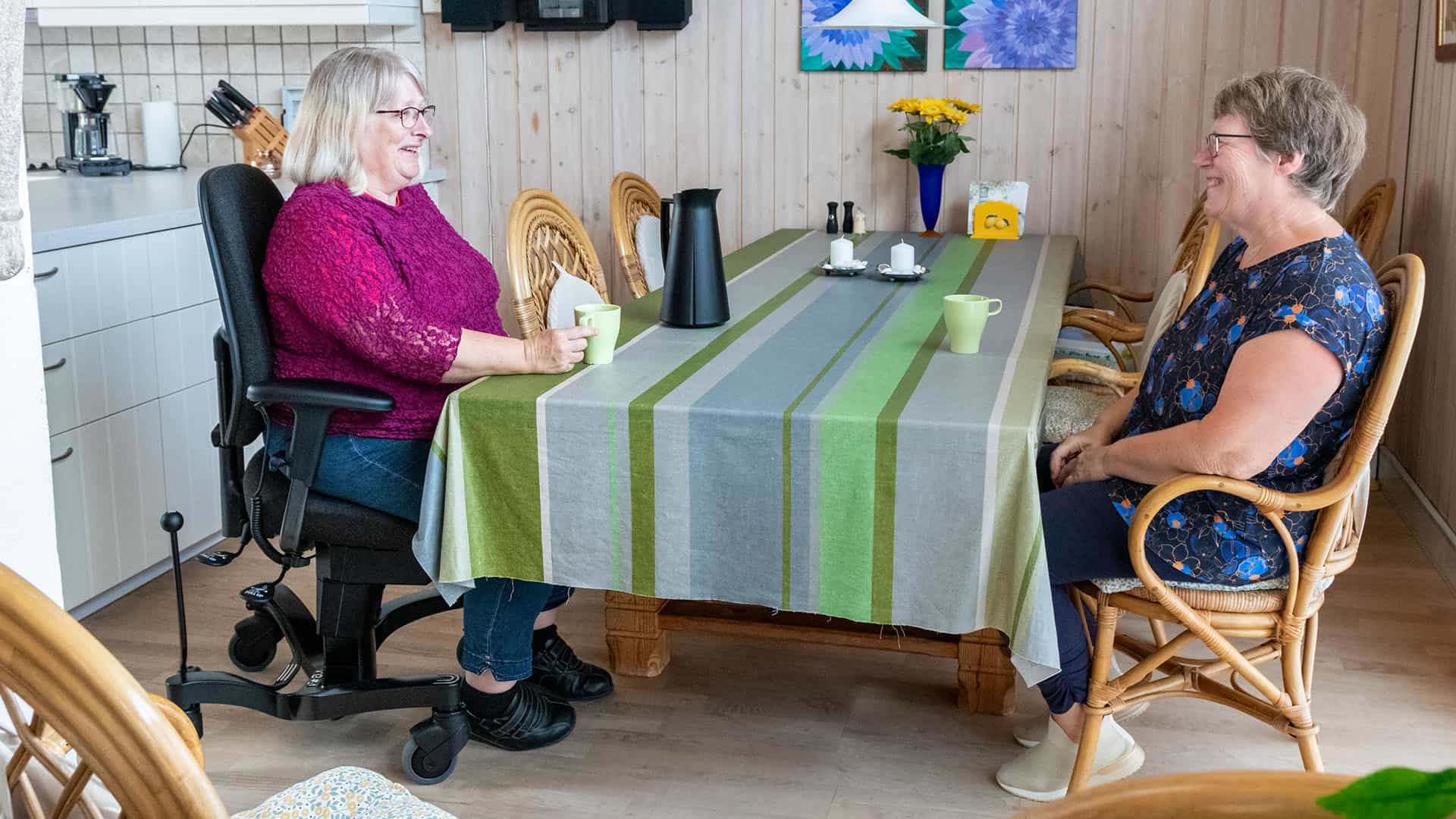
Smoothly transitioning from staying in independent living communities to considering solutions that empower older adults to maintain independence in their own homes is critical. The challenges often encountered in nursing homes, such as limited mobility and lack of autonomy, can be alleviated through innovations like the VELA Independence Chair. This medically approved mobility chair is designed for home use, enhancing safety and providing the freedom of movement while seated. By supporting daily activities such as cooking, dressing, or transferring, the VELA chair not only eases the physical burden on seniors but also reduces the load on informal caregivers.
Making the transition: when and how to move to independent living
Deciding when and how to transition to an independent living community involves assessing personal health, social needs, and lifestyle preferences. Thoughtful planning can turn this transition into a rewarding experience both physically and emotionally. The JLL Seniors Housing & Care Investor Survey indicates that such transitions are often planned around both logistical and emotional readiness. Consider Susan’s journey, where strategic planning allowed her to move from her home to a vibrant community, ensuring her well-being and happiness.
Enhancing independence through thoughtful community selection
Choosing the right independent living community involves a balance of financial, social, and technological factors. Adoption of advanced assistive devices—now increasingly defined by real-time AI assistants and user-centered, ergonomic solutions—is rapidly growing worldwide.[3][1] As the demand for these communities grows, seniors and their families must make informed decisions that align with lifestyle goals and personal circumstances. Engaging end users in product design has become essential to ensure living environments and technologies truly meet diverse needs and promote independent living.[4][6]
Supporting aging in place: a practical option
To delay entry into nursing homes and maintain independence, mobility solutions like the VELA Independence Chair prove invaluable. This chair features a central brake for enhanced safety, electric height adjustability for ease of transfers, and smooth movement while seated. By providing these functionalities, the VELA chair addresses crucial challenges such as fall prevention, energy conservation, and safe transfers. Imagining life with and without a VELA Chair paints a vivid picture of enhanced dignity and freedom at home. While not the only solution, it is a proven and practical option that significantly contributes to the quality of life for those choosing to age in place. For more insights on enhancing senior mobility, visit Enhancing Senior Mobility. Additionally, a focus on Safety Features for Seniors reflects the importance of addressing potential fall risks, ensuring a safer living environment for seniors.
Recent policy and practice updates
Policy and regulatory attention continue to support broader adoption of assistive technologies, with a notable shift toward evidence-based, participatory validation as a standard.[4] Current priorities emphasize timely, equitable access to AI-powered solutions, immersive rehab tools, and real-world evaluation.[6] While major new clinical guidelines were not introduced after May 2025, the participatory, user-centered approach now underpins best practices in independent living, rehabilitation, and accessibility.
References
- Envision Blog – In-depth discussion of the shift from apps to AI-powered assistants, with specific examples and a forward-looking perspective on accessibility [1].
- CSUN Assistive Technology Conference 2025 Coverage – Highlights top innovations in assistive technology, including real-time visual interpreting services (Aira) and their expanding use in education and public life [2].
- First Aid for the Blind (FAFTB) Assistive Technology Roundup – Reviews Meta Ray-Ban Smart Glasses’ Live AI feature, offering firsthand insights into real-time wearable assistive tech [3].
- Journal of Visual Impairment & Blindness (JVIB) 2025 Special Issue Call for Papers – Outlines current research priorities, including wearable assistive devices, user-centered design, and the role of AI, VR, and AR in accessibility [4].
- CES Trends Report (Consumer Technology Association) – Highlights AI, smart home, and wearable innovations shaping the future of accessibility [5].