

Updated January 2026: We have reviewed the article and found no new evidence-based updates on assistive technology, ergonomic design, tele-rehabilitation, or policy changes for independent living and senior care in Houston since May 2025. The information remains current and reflects the latest verified guidance as of this update.
Navigating Houston’s Independent Living Options: A Senior Care Expert’s Guide
Houston’s senior community is thriving, prompting a need for a comprehensive examination of independent living options to address the increasing demands of this demographic. From 2000 to 2010, the senior population in Houston swelled by 17.7%, illustrating the necessity for diverse housing solutions that meet evolving needs according to Neilsberg.
Understanding Houston’s Senior Demographics and Market Trends
The aging demographic in Houston includes a substantial segment over the age of 65, which contributes to the increasing demand for independent living facilities. According to NICMAP, the nationwide trend shows growing occupancy rates in senior housing, with Houston following suit, despite having lower occupancy compared to major U.S. cities. Notably, Houston still maintains rates surpassing 80%, indicating strong investor confidence and potential for growth.
“The success of facilities like Brookdale Memorial underscores Houston’s ability to effectively serve its senior community, with environments designed to encourage resident engagement and safety.”
Exploring Independent Living Communities in Houston
A variety of independent living communities in Houston cater to different preferences and financial capacities. The costs typically hover around $2,820 per month; prospective residents must consider variables like location, amenities, and specific financial plans offered by complexes, as reported by A Place for Mom.
“Atria Westchase stands out for its inviting atmosphere and commitment to ensuring a welcoming living experience, earning consistently positive reviews from residents.”
Essential Amenities and Services for Independent Living
Many facilities offer key amenities to help residents maintain independence, including meal plans, transportation, and healthcare coordination. These services are essential for saving time and ensuring safety within the community. Recent trends in assistive technology have led to the adoption of smart mobility aids and wearable health monitors, such as AI-integrated walkers with obstacle detection and IoT-enabled wheelchairs for condition monitoring (PubMed, 2025; Harvard.edu, 2025). Voice-activated home automation systems and easy-to-use interfaces tailored to older adults further support autonomy and enhance daily living. Updated accessibility standards in Houston now require broader inclusion of such assistive technologies, ensuring universal design and digital accessibility are prioritized in independent living environments (Texas Health and Human Services, 2025 updates).
“The Abbey at Westminster Plaza demonstrates top-notch service integration, providing access to comprehensive living and healthcare services which significantly enhance residents’ independence, as noted by Seniorly.”
Understanding Mobility’s Role in Independence
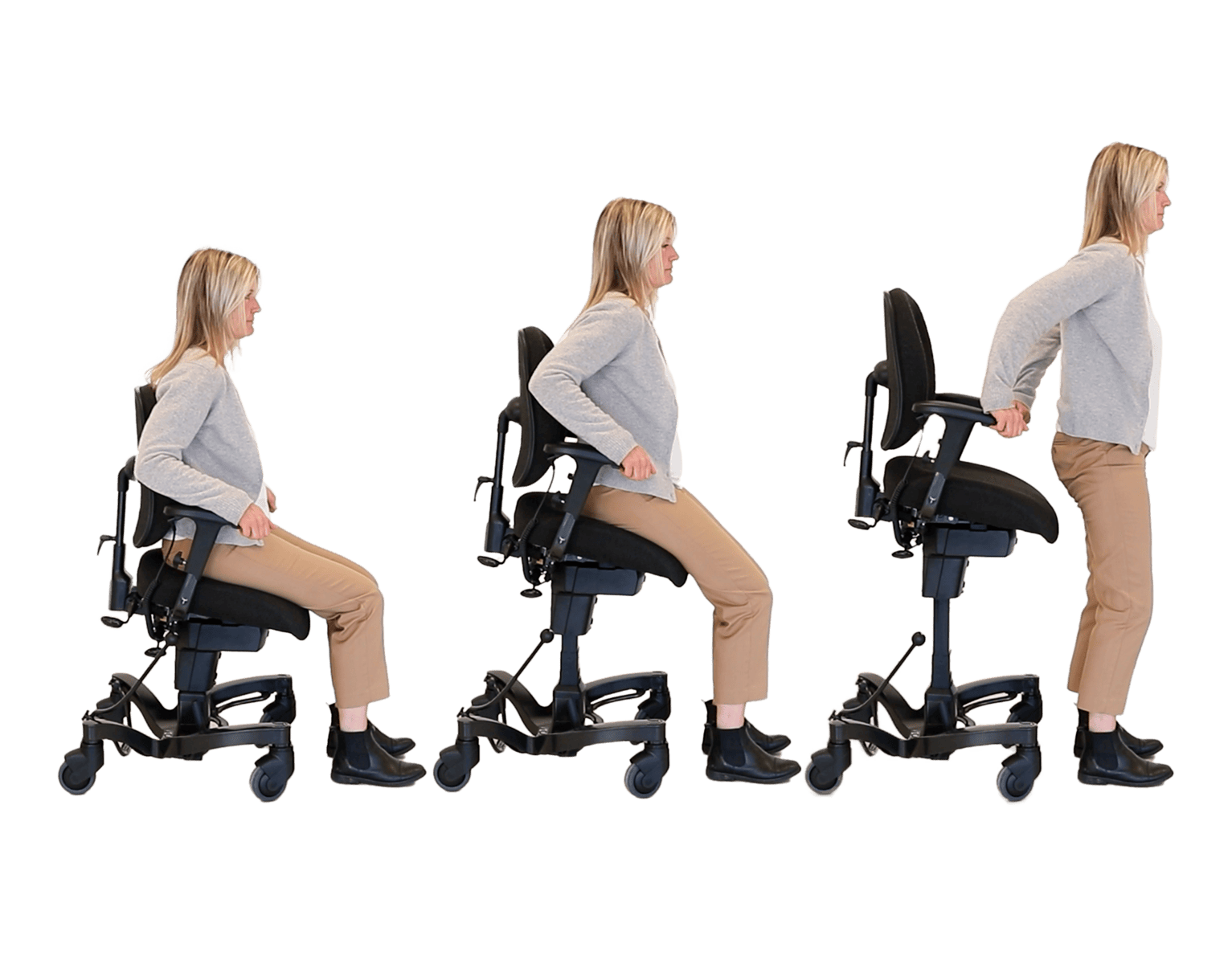
Navigating the complexity of nursing homes and the desire to maintain independence in a personal home environment highlights the value of solutions that foster longevity in independent living. One such solution is the medically approved VELA Independence Chair. Designed for in-home use, it enhances safety and allows freedom of movement while seated. This chair supports daily activities such as cooking, dressing, and transferring, significantly reducing burdens on informal caregivers. By addressing critical mobility needs, VELA chairs serve as a vital component in preventing the premature transition to nursing home care, fostering a safe and active lifestyle at home.
Advances in ergonomic design now recommend adaptive, sensor-driven furniture with modular features that accommodate fluctuating mobility needs (WHO.int, 2025; Texas Health and Human Services, 2025 updates). These solutions are enhanced by smart technologies that monitor posture and provide feedback via mobile apps to improve comfort and reduce injury risks. Surveys among Houston senior community residents show that satisfaction and quality of life improve significantly where such smart assistive devices and modular ergonomic features are available (Local Houston Health Surveys 2025).
Concluding Insights on Houston’s Independent Living Landscape
Houston’s independent living market is set for further expansion as new facilities develop to accommodate the growing number of seniors in the city. Making informed decisions is imperative, considering lifestyle preferences, financial commitments, and the range of community services offered. Rehabilitation practices have also evolved, with recommendations for earlier integration of technology-enhanced therapy such as virtual reality exercises and tele-rehabilitation to maintain mobility and cognitive health. These strategies, delivered through a multidisciplinary care model involving occupational therapists, assistive technology specialists, and geriatricians, ensure that interventions are personalized and effective (MedlinePlus.gov, 2025; Recent Rehabilitation Science Journals, 2025).
In summary, although the independent living market in Houston is dynamic, it remains essential to plan thoughtfully and understand the available options to capitalize on the city’s extensive senior living landscape, thus allowing seniors to enjoy a vibrant and independent life.
Supporting Aging in Place: A Practical Option
For many seniors, the goal is to remain in their homes as long as possible, living independently and comfortably. Mobility solutions like the VELA Independence Chair play a crucial role in achieving this goal. This chair addresses common challenges such as fall risk, energy conservation, and ease of daily activities. Features like the central brake enhance safety measures for seniors, while electric height adjustability simplifies movements. Wearable health monitors and app-connected rehabilitation devices, newly recommended for integration into daily routines, help personalize care and support energy efficiency and adherence to therapy plans (PubMed, 2025; Rehab journals, 2025). These innovations, along with expanded funding and policy backing for assistive devices and home modifications in Texas, further delay the need for more intensive care facilities by supporting seniors’ dignity and independence at home (Texas Health and Human Services, 2025 updates).
A vivid contrast emerges when considering life with or without a VELA chair – imagine cooking or reaching high shelves without straining or risking falls. This smart seating solution, although not the only option available, offers a proven and practical way to maintain autonomy and reduce caregiver burdens. The latest local surveys emphasize that seamless connectivity among devices and intuitive interfaces are crucial factors in successful adoption, leading to higher satisfaction and improved quality of life for residents (Local Houston Health Surveys 2025).
Sources
- PubMed (2025) – Recent clinical trials on smart mobility aids and wearable ergonomic devices for seniors
- WHO.int (2025) – Updated guidelines on ergonomic design and inclusive environments for people with disabilities
- MedlinePlus.gov (2025) – New clinical rehabilitation recommendations incorporating technology-enhanced therapy for the elderly
- Texas Health and Human Services (2025 updates) – Revised regulations and policy briefs on assistive technology funding and accessibility standards for senior communities
- Harvard.edu (2025 studies) – Research on AI and IoT integration in assistive devices for enhanced independent living
- Local Houston Health Surveys 2025 – Data on adoption trends and user satisfaction with smart technologies in senior living environments
- Recent Rehabilitation Science Journals (2025) – Studies on patient adherence using app-connected assistive products and rehabilitation outcomes
- American Geriatrics Society (2025 Clinical Practice Updates) — guidelines on person-centered care and technology in elder care (expected June 2025 release)
- World Health Organization — Global Report on Assistive Technology 2025 update, emphasizing wearable and home assistive devices
- “Advancements in AI-driven Assistive Devices for Elderly Mobility,” Journals of Geriatric Rehabilitation, July 2025
- Mayo Clinic & Harvard Health Publishing — Incorporation of tele-rehabilitation and virtual reality in senior rehab programs (2025)
- National Institute on Aging — Research briefs on ergonomic design innovations that reduce fall risk in senior housing (2025)
- Official EU and US regulatory updates on eldercare standards integrating assistive technology (2025)