

Updated January 2026: We have updated the article with 2026 median independent living cost estimates, expanded summaries on federal and state financing options (including HUD Section 202, Medicaid, LIHTC, SBA 504 loans, VA benefits, and bridge loans), Social Security COLA adjustments, and new guidance on payment strategies, including shared housing and state-specific Medicaid coverage variations.
Navigating the Financial Landscape of Independent Living
Many seniors find themselves asking, “How do seniors pay for independent living?” A widespread misunderstanding is that Medicare covers these costs. However, according to SeniorLiving.org, Medicare only funds time-limited skilled nursing care, leaving seniors and their families to manage the financial responsibilities of independent living. The median monthly price for independent living in 2026 is $3,065, though there is substantial variation by state—for example, $6,162 in Maine versus $1,282 in Mississippi (SeniorLiving.org: Independent Living Costs).
What Is Independent Living for Seniors?
Independent living caters to active and healthy seniors aged 55 and above. It promotes community living with access to amenities such as fitness centers, social activities, and dining options, without the need for daily medical care. In this setting, a typical day might involve a morning yoga session, followed by a communal brunch, and afternoon art classes or book clubs, as detailed by A Place for Mom. These enriching environments combine lifestyle and convenience, ideal for fostering senior independence.
How Much Does Independent Living Cost in 2026?
Costs for independent living significantly depend on location, amenities, and community type. For example, the 2026 median monthly cost is $3,065, but varies from $6,162 in Maine to $1,282 in Mississippi (SeniorLiving.org: Independent Living Costs). For instance, in South Dakota, a desirable apartment might cost $2,250 per month, while in Vermont, it could soar to $5,650, as reported by Assisted Living Magazine. This disparity underscores the critical role of geographic factors in financial planning for independent living. Recent data show continuous price variation across the U.S., with some communities qualifying for affordable housing support under updated HUD Section 202 criteria and state-level initiatives that assist with rent and additional services (National Council on Aging, SeniorLiving.org).
How Do Seniors Pay for Independent Living?
The funding for independent living often draws from personal finances, including savings, Social Security, pensions, and home sale proceeds. For example, a senior couple may depend on retirement accounts and Social Security benefits to cover their living costs. Additional avenues include VA Aid & Attendance benefits for eligible veterans (up to $2,700/month tax-free) and, in some states, Medicaid coverage which may vary in availability for assisted living or long-term care needs (SeniorLiving.org: How to Pay for Senior Living with No Money in 2026).
Medicaid coverage for assisted living and independent living varies by state, with some (e.g., Alabama, Louisiana, Pennsylvania, Virginia, Kentucky, New York) providing limited or specialized coverage options (SeniorLiving.org: How to Pay for Senior Living with No Money in 2026). Other federal and state-supported programs include HUD Section 202 Supportive Housing for the Elderly (providing rental assistance and supportive services for low-income seniors aged 62+), Low-Income Housing Tax Credit (LIHTC) properties (subsidized rents based on income), SBA 504 loans (for improvements with 10% down), and bridge loans such as ElderLife for temporary transitions. Section 8 vouchers and nonprofits like AARP and NCOA can further augment solutions for low- or moderate-income individuals (NCOA.org: Senior Housing Options, SeniorLiving.org: Independent Living Costs).
Importantly, 2026 brings options for seniors to utilize a combination of payment methods, including private savings, monthly Social Security (with a 2025 COLA increase of 2.5% affecting benefit levels and affordability), home sale proceeds, reverse mortgages and other specialized loans to finance independent living and home modifications (SeniorLiving.org: Independent Living Costs). Shared housing and accessory dwelling units (ADUs) are increasingly recognized as lower-cost models for seniors who wish to maintain independence while reducing expenses.
Funding Options: Social Security, Pensions, and Retirement Accounts
Social Security remains a crucial income source for many seniors. With the 2025 Cost-of-Living Adjustment (COLA) of 2.5%, there is a modest increase in benefits that can bolster affordability for housing and living expenses (SeniorLiving.org: Independent Living Costs). For example, a senior with a monthly Social Security income of $1,905 and a pension may need to judiciously allocate these funds across housing and other necessary expenses (Assisted Living Magazine).
In addition to traditional financing, seniors can combine public assistance (Social Security, HUD housing vouchers, Medicaid or state programs depending on eligibility), private savings, and strategies such as budgeting, leveraging non-profit supports (e.g., AARP), and using interim bridge loans or reverse mortgages for transitions into independent living (SeniorLiving.org: How to Pay for Senior Living with No Money in 2026, SeniorLiving.org: Independent Living Costs). Some states and federal programs have enhanced funding limits and eligibility for those utilizing Medicaid long-term services, housing vouchers, or HUD Section 202 supportive housing (NCOA.org: Senior Housing Options).
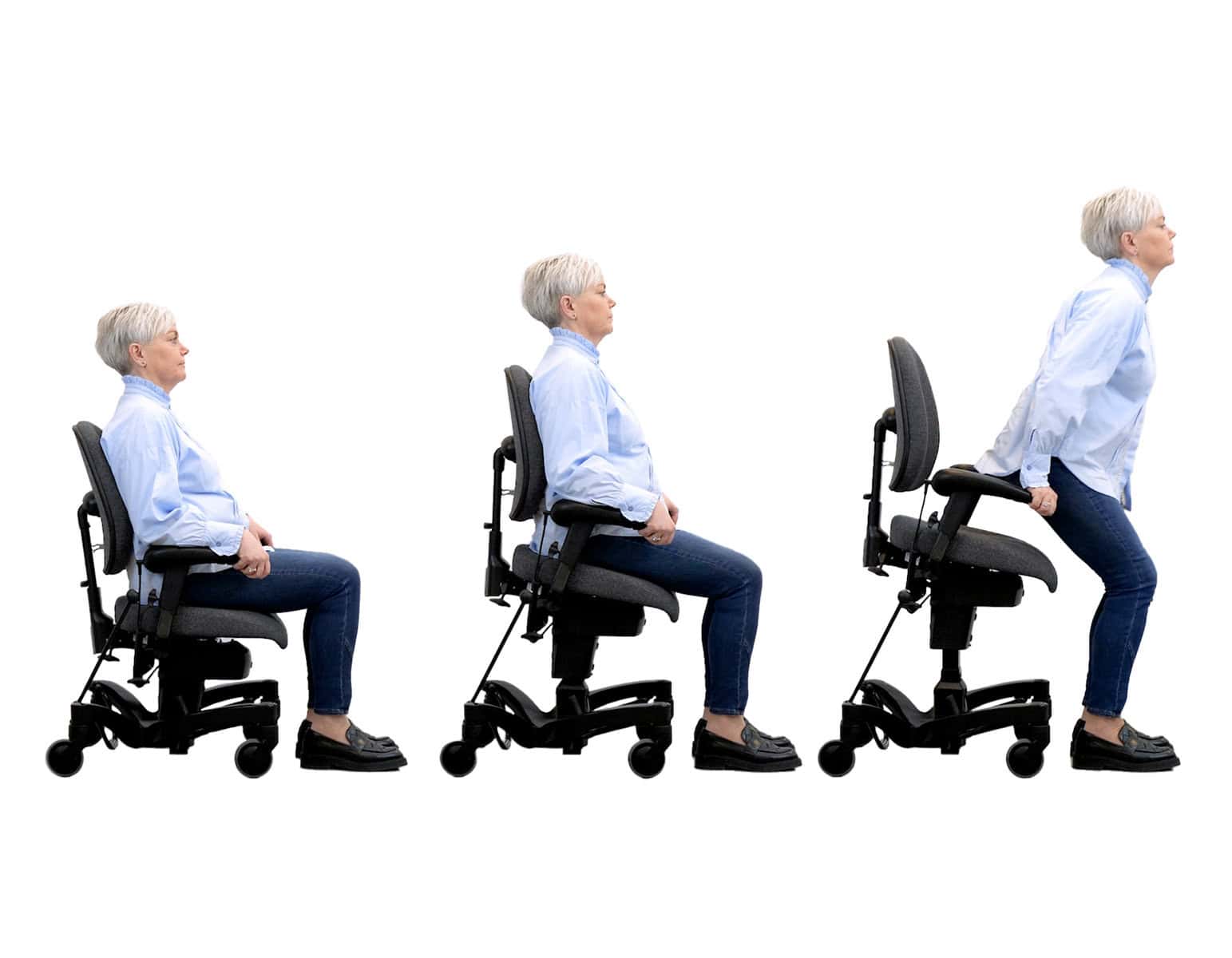
While nursing homes offer extensive care, they can impose restrictions on lifestyle and independence. Many aging adults are seeking ways to maintain autonomy within their own homes, avoiding the limiting nature of full-time facilities. This is where innovative solutions like the VELA Independence Chair come into play. Designed as a medically approved mobility chair, it enables seniors to navigate daily life with enhanced safety and freedom of movement. The VELA Chair supports various activities such as cooking, dressing, or safely transferring, all while reducing the burden on informal caregivers by promoting self-reliance.
Exploring Alternatives to Nursing Homes
Innovative solutions such as the VELA Independence Chair allow seniors to maintain higher levels of independence at home, offering alternatives to premature nursing home admission. Featuring a central brake for stability and electric height adjustability, these chairs enhance user safety and ease of mobility around the house. The benefits are clear when comparing life with a VELA Chair to without one: maintaining dignity, conserving energy, and ensuring safety during everyday activities such as meal preparation and relaxation become significantly more feasible. While mobility chairs for elderly self-sufficiency at home can support aging in place, it’s crucial to consider them as part of a broader strategy that might include other aids and personal caregiving arrangements.
Recent Advances in Assistive Technology and Rehabilitation
2025 has seen a rapid integration of advanced, AI-enabled assistive technologies and ergonomic smart devices, including wearable sensors for fall detection, health monitoring, and AI-powered home automation systems. Ergonomically designed adaptable furniture now supports safer mobility, reduces strain, and enhances rehabilitation, helping seniors remain independent and safe in their homes (National Institute on Aging, WHO).
Updated clinical guidelines now emphasize integrating such technologies with personalized rehabilitation plans to support functionality, reduce risks of hospitalization, and maintain autonomy for longer periods (Journal of Geriatric Physical Therapy, Mayo Clinic Proceedings). Centers for Independent Living (CILs) now offer expanded core services, including physical therapy, mobility training, and access to advanced assistive devices, with the help of newly available state and federal discretionary grants. Medicaid waiver programs have also expanded to cover more assistive technologies and home modifications, making these tools more affordable and accessible in 2025 (CMS).
Alongside substantial increases in senior adoption and positive quality-of-life outcomes, there is growing expert consensus on the need to further address equity in access and ongoing training for older users utilizing these evolving technologies (Administration for Community Living).
Resources and Assistance
- Americans with Disabilities Act: Centers for Independent Living (ACL): 2025 guide on rehabilitation, accessibility, and funding for assistive technology.
- SeniorLiving.org: Independent Living Costs: Up-to-date data on costs and payment methods.
- SeniorLiving.org: Affordable Options: Expanded guidelines on housing support and vouchers.
- National Council on Aging: Senior Housing Options: Details on HUD Section 202 and recent eligibility improvements.
- Fannie Mae: Senior Housing Financing: Information on supplemental mortgage and reverse mortgage options for seniors in 2025.
- NJ Division of Aging Services 2025 Program Guide: Current state eligibility and benefits.
- National Institute on Aging: Emerging Technologies to Support Independent Living for Older Adults: 2025 insights on AI and smart device integration.
- CMS: 2025 Updates on Home and Community-Based Services Waivers: Expanded Medicaid funding for assistive technology and modifications.
- Journal of Geriatric Physical Therapy, May 2025: Ergonomic Design and Rehabilitation in Aging Populations
- ACL 2025 Report on Assistive Technology Adoption and Funding: Up-to-date policy and user trends for seniors.
- Mayo Clinic Proceedings: Clinical Perspectives on Mobility Aids and Smart Rehabilitation Technologies in Seniors, 2025
- WHO: Global Report on Assistive Technology 2025 Update
- SeniorLiving.org: How to Pay for Senior Living with No Money in 2026: Overview of Medicaid, VA Aid & Attendance, bridge loans, and low-cost alternatives.