

Updated January 2026: We have updated the article to reflect the latest emerging trends in assistive technology for independent and assisted living. New content covers recent advances in AI-enhanced vision and mobility solutions, wearable health monitoring devices, screen-free AI health companions, and accessible transportation technology. The update highlights how these innovations further support resident safety, independence, and inclusion within senior communities.
Hyland Campus: A Comprehensive Overview of Sun Prairie’s Premier Senior Living Community
Choosing the right living community for your golden years is a significant decision, and Hyland Campus stands out as a premier option in Sun Prairie. This community caters explicitly to adults aged 55 and older, offering a harmonious blend of independent living, assisted living, and memory care, known as Blu Grotto Memory Care. According to Capri Communities, the intuitive aging-in-place model allows residents to receive additional care as needed without the inconvenience of moving apartments. This enhances both comfort and continuity of care, demonstrating Hyland Campus’s commitment to its residents’ well-being.
Independent Living at Hyland Campus: Amenities, Costs, and Lifestyle Benefits
At Hyland Campus, independent living residents enjoy a comfortable and vibrant community. Each apartment is thoughtfully equipped with amenities, such as full kitchens, gas fireplaces, and in-unit laundry facilities, to create a homey environment. Starting at $2,850 per month, residents gain access to a wide array of on-site activities and social gatherings. According to AssistedLiving.org, additional conveniences like underground parking enhance the living experience. A local resident, Pam, shared, “We like Hyland Campus very much… They offer many activities and shuttles that go where you need to go,” underscoring the community’s vibrant lifestyle.
Transitioning to Assisted Living: Supporting Aging in Place
Hyland Campus ensures a seamless transition to assisted living, aligning with its aging-in-place philosophy. This approach provides a smooth transition as care needs evolve without the stress of moving. According to Caring.com, this continuity of care is a key feature, with one resident describing the transition as natural, rather than disruptive. Such testimonials highlight Hyland Campus’s dedication to maintaining a supportive and stress-free environment.
Enhancing Mobility and Safety with VELA Chairs
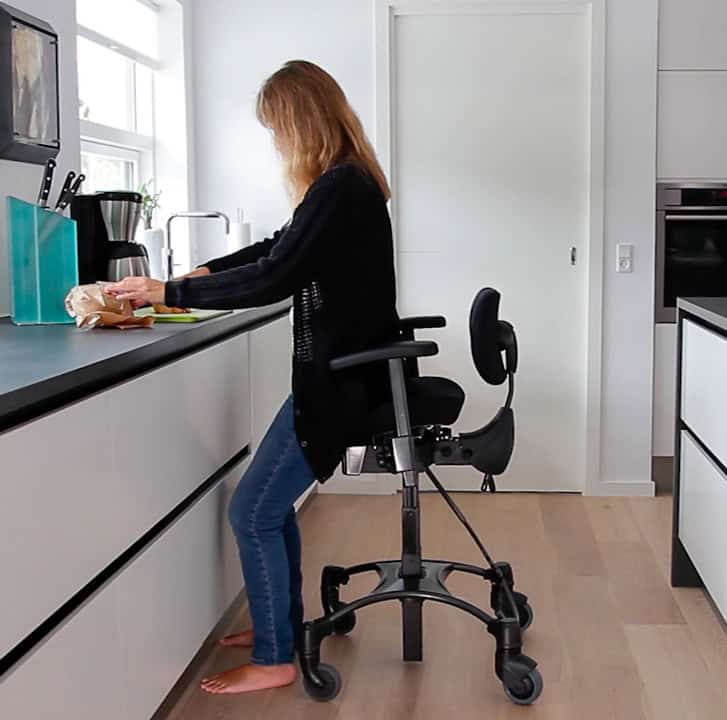
Many residents face challenges such as reduced mobility and increased risk of falls as they age. The struggle to maintain independence can sometimes lead to the consideration of nursing home care. To counter these obstacles, innovative solutions like VELA chairs offer a pathway for older adults to remain independent in their own homes longer. A VELA chair is a medically approved mobility chair designed for home use. It offers enhanced safety, freedom of movement while seated, and essential support for daily activities like cooking, dressing, or transferring. Moreover, it helps reduce the physical demands placed on informal caregivers by making tasks more manageable within a comfortable and safe environment.
Integrating Advanced Assistive Technology and Inclusive Solutions
Current trends in assistive technology are rapidly advancing independent and assisted living communities like Hyland Campus. The latest solutions include AI-enhanced wearables for vision and mobility support, such as .lumen’s Glasses for the Blind, which use autonomous navigation technology to provide guidance through real-time computer vision and haptic feedback. Devices like the eSight Go offer lightweight, high-definition visual assistance with advanced zoom features for those with central vision loss Envision Community, 2025. Wearable health monitors now address key concerns such as fall risk and physiological changes. The Smart Hip Guardian gives immediate fall protection by deploying airbags, while exoskeleton devices like the Dephy Sidekick Exoskeleton Shoes help reduce fatigue during walking for people with muscle weakness ConnSense Report, 2025.
Voice-activated and screen-free AI health companions, such as the Luna Band Health AI Assistant, are also becoming more common, helping seniors manage biometric data and wellness routines without the need for complex interfaces. In mobility, the MaaS-Bridge system enhances transportation accessibility by facilitating safe and seamless connectivity for users with disabilities through autonomous transit options Cognitive Market Research, 2025.
As with previous advancements, best practices in assistive technology continue to focus on user-centered and inclusive design. Solutions now prioritize comfort, personalization, and adaptability to meet diverse needs. Multi-sensory augmented and virtual reality (AR/VR) applications are extending opportunities for accessible education and rehabilitation. Despite notable innovation, access to vital assistive products such as wheelchairs and prosthetics remains limited in many regions, reaffirming the need for broader global supply and policy support Clinton Health Access Initiative, 2025.
The ongoing adoption of remote health services, advanced fall detection systems, and medication management apps provides additional safety and autonomy for residents. Policy frameworks continue to endorse integration of advanced assistive technologies, promoting greater inclusion and independent living within senior communities.
Offering Value and Comfort: Is Hyland Campus Right for Your Budget?
Hyland Campus offers a pricing structure that reflects its comprehensive services. Independent living starts at $2,850/month, while memory care is priced at $5,980/month. Each level of care is designed to provide excellent value through robust amenities and support networks, fostering an environment in which residents thrive. For those who prioritize dignity, care, and community, Hyland Campus presents a compelling choice. For more information, contact Capri Communities.
Hyland Campus is more than a residence; it’s a vibrant community where seniors can enjoy the next chapter of their lives with ease, surrounded by compassionate care and all the conveniences that encourage an active and fulfilling lifestyle.
Exploring Alternatives to Nursing Homes
Supporting older adults in maintaining independence at home is increasingly feasible with smart mobility solutions like the VELA Chair. These chairs have features that directly address common problems faced by seniors, such as easy transfers and enhanced safety, attributed to the central brake system and electric height adjustability. By facilitating roles in cooking, cleaning, or relaxing, they help in preserving energy and dignity. They also delay the need for transitioning into nursing homes, offering a substantive alternative through improved mobility and reduced caregiver strain. While VELA Chairs are not the only solution, they are a proven and practical option, allowing many to live comfortably in their homes for longer. More details on such supportive seating options can be explored through chairs designed for seniors living independently and helpful seating solutions for seniors at home.
References:
– Cognitive Market Research, Assistive Technology Market Report 2025
– Envision Community, The Future of Assistive Technology & AI Assistants for 2025
– Market.us Media, Assistive Technology Statistics and Facts (2025)
– CSUN Assistive Technology Conference 2025 Highlights
– Helen Keller Services, Tech Blitz 2025
– ConnSense Report, CES 2025 Award Winning Assistive Technology
– First Aid for the Blind, Ray-Ban Live AI Feature, 2025
– Journal of Visual Impairment & Blindness, Technology Advancements 2025
– Clinton Health Access Initiative, Assistive Products Market Report 2025
– South Carolina General Assembly, Technology First State Resolution 2025
– CES 2026 Innovation Awards, MaaS-Bridge, 2026