

Updated January 2026: We have updated the article with the latest findings on smart and connected mobility aids for seniors, integration of AI assistants and voice-activated support, advancements in powered exoskeletons, hyper-personalized care plans, wearable robotics, enhanced fall detection, and the use of nanotechnology and smart materials in assistive devices.
Independent Living in Ashtabula, Ohio: Exploring Environment and Options
Ashtabula, Ohio, is recognized for its diverse independent living options tailored to empower seniors with autonomy while delivering essential services. Located along the scenic shores of Lake Erie, Ashtabula’s senior population stands at 22.53%, showcasing a higher concentration of seniors compared to nearby regions. According to Healthy NEO and Ohio Demographics, the area is well-equipped to accommodate this population with options that blend comfort with community engagement for seniors.
A Spectrum of Independent Living Communities
Discovering Diverse Options
Ashtabula hosts several communities like the Willowbrook Senior Apartments and Country Club Rehabilitation Campus, each providing unique living experiences. The Willowbrook Senior Apartments are known for their cottage-style setups, offering two and three-bedroom layouts that simplify living for retirees. For more information, visit Willowbrook Senior Apartments. Residents enjoy affordable living spaces that focus on ease of mobility and comfort—critical for maintaining independence.
Similarly, the Country Club Rehabilitation Campus is strategically positioned on the Ashtabula River’s banks, offering residents opportunities to enjoy natural surroundings while being near essential services like the Ashtabula County Medical Center. Explore further at Country Club Rehab Campus. This community provides a mix of independent and enhanced living arrangements, making it an ideal setting for those wanting both serenity and accessibility to amenities.
Enhancing Life with Services and Amenities
Quality services and amenities define the appeal of any independent living facility. Many communities provide scheduled transportation, especially beneficial for accessing health services at facilities like the Ashtabula County Medical Center, which fosters social connectivity. As noted by A Place for Mom, such offerings support an active lifestyle and help maintain strong community ties—key factors in promoting health and social well-being in senior living.
Balancing Financial and Future Care Needs
Addressing financial commitments upfront is essential. With an average independent living cost of approximately $3,484 per month within Ashtabula County, potential residents must consider their long-term financial planning. Information from A Place for Mom highlights that communities like Willowbrook offer income-based subsidized options, making it accessible for individuals across various economic standings.
Consider future care needs by choosing communities offering a continuum of care, allowing residents to transition seamlessly into higher levels of necessary care. The Country Club Rehabilitation Campus is notable for its therapy and skilled nursing services, making it a viable option for those planning for future health changes.
Exploring Mobility Solutions and Modern Assistive Technologies for Independence
While nursing homes provide comprehensive care, they are not the only answer for seniors who wish to maintain independence in their own homes. The ability to remain at home can significantly enhance the quality of life. Recent advances in assistive technology now offer broader solutions beyond traditional aids. The latest trends reveal a strong focus on smart, connected mobility aids with IoT sensors, fall detection, and AI-powered systems providing real-time health and movement monitoring for both users and caregivers (Cyces.co; ChannelPointVillage.com).
Wearable health monitors have become increasingly advanced, integrating real-time health tracking with features like heart rate monitoring, fall detection using AI to analyze complex movement patterns, sleep analysis, and proactive alerts sent directly to caregivers or clinicians. These wearable and remote monitoring systems enhance proactive intervention and personalized care, making aging in place safer (SeniorsBlueBook.com; AARP).
Telemedicine is widely adopted, with AI-powered virtual consultations offering immediate access to clinical support for those with mobility challenges, reducing the need for in-person travel (MyCareConcierge.org).
The integration of smart home and IoT solutions has fundamentally transformed independent living. Voice-activated assistants equipped with advanced conversational AI now offer not only reminders and daily task support but also multilingual assistance and integration with other support systems. These tools provide seniors greater safety, convenience, and real-time communication with caregivers (Envision; AskSamie.com; GlobeNewswire).
Personalization and inclusive design remain essential. Innovations include customizable, 3D-printed mobility aids; lightweight, self-repairing biomaterials; and wearable robotics, such as powered exoskeletons now entering the market for seniors with significant mobility impairments (Cyces.co; Juniper Communities; iHealthcare Analyst). Memory care environments are being enhanced with sensory comfort and design supporting orientation and familiarity.
Hyper-personalized care plans are developing, addressing not just physical needs but also mental health, cognitive stimulation, and social connectivity for seniors. Adoption, however, can be hampered by cost, complexity, and insufficient support, emphasizing the ongoing need for user-centered education and improved assistance solutions for older adults (AARP; GlobeNewswire).
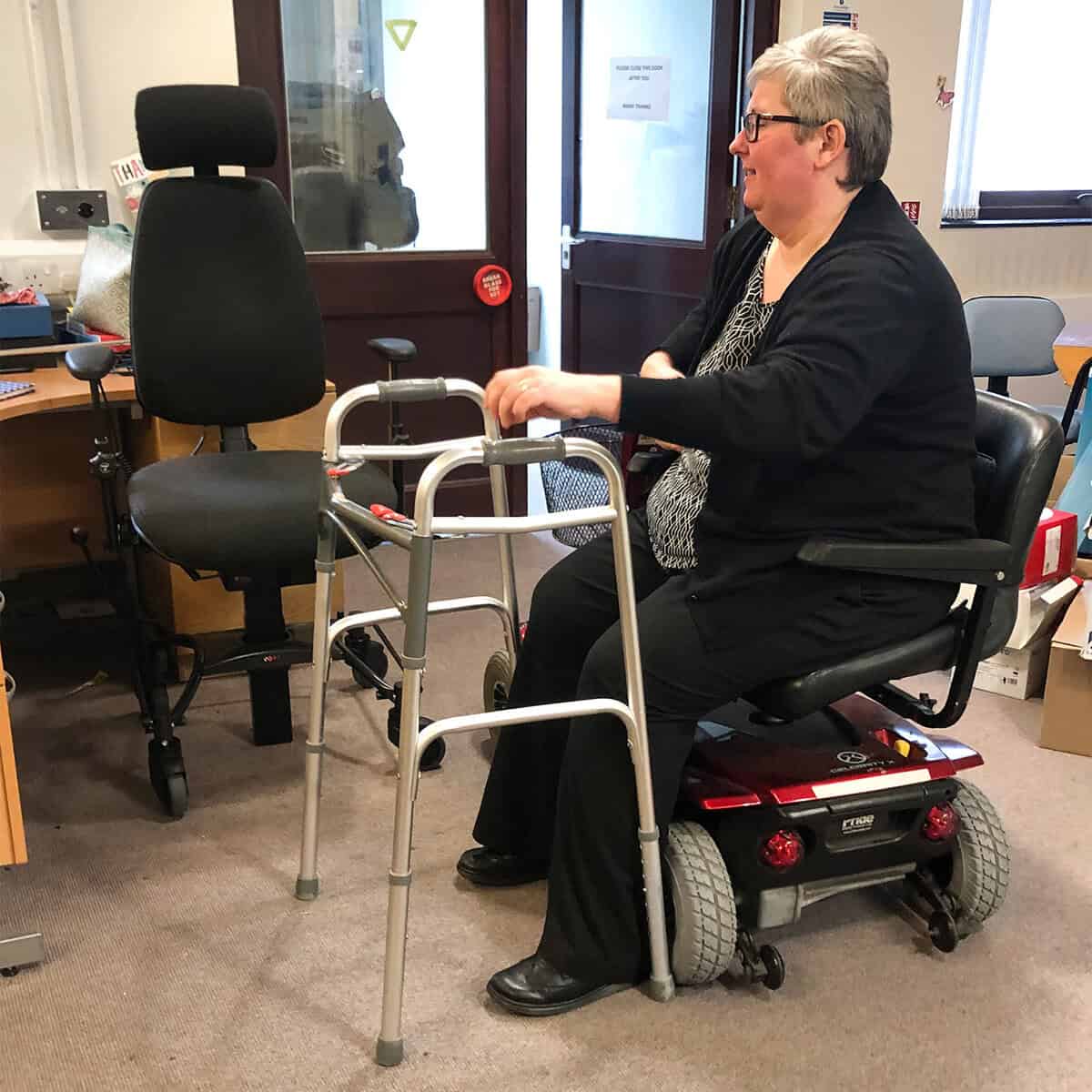
Devices like the VELA Independence Chair continue to provide critical support for seniors at home. Modern versions are developed with advanced, smart materials that can adapt to user needs and monitor skin health for added safety. Features such as a central brake and freedom of movement while seated, as well as essential support for cooking, dressing, and daily transfers, remain pivotal for autonomy while minimizing caregiver workload.
Navigating the Independent Living Landscape
Ashtabula offers a vibrant mix of independent living solutions amidst scenic beauty and affordability. Prospective residents should engage with current community members for deeper insights into the daily living experience. Such interactions provide firsthand knowledge, aiding in making informed decisions. Always review service contracts meticulously and select communities with comprehensive care continuum options to ensure smooth transitions if health needs evolve.
Exploring Ashtabula’s independent living choices unveils a world where personal and communal engagement thrives, supporting a life enriched by supportive care and vibrant social environments. For tailored advice and community insights, consider visiting Assisted Living Solutions.
How Mobility Solutions Like VELA and Digital Tools Make a Difference
Mobility solutions such as the VELA Independence Chair offer the promise of prolonged autonomy at home, delaying the need for more intensive care facilities. Specifically designed to prevent falls with features like a central brake, and equipped with electric height adjustability, VELA chairs enable easy movement and safe stability for seniors. In 2026, such solutions are part of a larger connected ecosystem including smart wheelchairs, AI-powered assistance, wearable robotics, and real-time health tracking. Voice-activated technology now coordinates reminders, information sharing, and direct communication with caregivers and families for a comprehensive home support model (ChannelPointVillage.com; Envision).
This integrated approach enables the elderly to perform daily routines—such as preparing meals, completing chores, or transitioning between activities—with greater safety, comfort, and independence. VELA’s adaptive, ergonomic features, together with the latest AI-powered and digital tools, help conserve user energy, ease caregiver responsibilities, and promote dignity and engagement. Advanced medical devices, coupled with personalized support, present a future-oriented standard for independent living. For additional mobility solutions and fall prevention approaches, visit Senior Mobility Solutions and Fall Prevention Strategies.
Key Sources:
- Cyces.co: AgeTech Trends 2025: AI, Robotics & the Future of Aging (2025-01-01)
- ChannelPointVillage.com: How Assistive Technologies Are Shaping Senior Care in 2025 (2025-04-15)
- MyCareConcierge.org: How Technology will Transform Senior Care in 2025 (2025-02-24)
- NumberAnalytics.com: Empowering Seniors with Assistive Tech (2025-06-25)
- OpenPR.com: 2025 Disabled and Elderly Assistive Technology Industry Trends Report (2025-08-05)
- AskSamie.com: Innovative Assistive Technology for Seniors in 2025 (2023-12-11, updated 2025)
- SeniorsBlueBook.com: A Guide to Useful Technology for Older Adults in 2025 (2025-01-10)
- Envision: Future of Assistive Technology & AI Assistants 2025 (2025-07-16)
- Juniper Communities: Senior Living Trends 2025 (2025-05-22)
- iHealthcare Analyst: Geriatric Assistive Devices Market (2025-03-12)
- AARP: Tech Adoption Trends Among Older Adults (2024-2025)
- GlobeNewswire: U.S. Assistive Technologies for Older Adults Market Report (2025-09-18)