

Updated September 2025: We have updated the article with the latest insights on assistive bathroom technologies, ergonomic design trends, inclusive rehabilitation practices, and evolving accessibility standards. New findings emphasize customizable zero-threshold showers, built-in seating, smart safety features, and seamless, aesthetic designs that support independence, dignity, and user well-being.
Ensuring Safety and Dignity in Independent Living Bathrooms
As the global population ages, there is a significant increase in the number of individuals aged 65 and older, creating a pressing need for safe and accessible living environments. A crucial component of this need is the design of bathrooms that support independent living, especially for those aged 75 and older who often face mobility challenges. It is essential to prioritize fall prevention and accessibility in these spaces. According to the U.S. Access Board, “ADA Standards require a 5-foot turning radius for wheelchair access,” a feature that is critical in reducing fall risks and promoting independent bathroom use by seniors.
What Are Independent Living Bathrooms?
Independent living bathrooms are designed with seniors’ safety and accessibility in mind, meeting the standards set by ADA and Fair Housing guidelines. These standards are vital in accommodating various mobility and health requirements. Renowned facilities like Brookdale Senior Living illustrate this by offering ADA-compliant bathrooms that support the autonomy and dignity of residents. As noted in NewHomeSource’s Senior Living Design Guide, such design features can empower seniors to maintain their independence.
Core Safety and Accessibility Standards
The foundation of designing an independent living bathroom lies in strict adherence to safety and accessibility standards. Key elements to ensure include an adequate turning radius, the installation of grab bars, zero-threshold showers, and enhanced lighting. According to HUD Fair Housing Act Requirement 7, bathrooms must feature reinforced walls for future installations of grab bars, non-slip surfaces, and adequate floor space at fixtures. For instance, a case study involving a senior citizen illustrates how strategic placement of grab bars and improved lighting helped avoid falls, highlighting the importance of thoughtful design.
Advancements in assistive technologies now enable the integration of customizable zero-threshold showers, built-in shower seating, and handheld shower faucets designed for both ease of use and modern aesthetics HWC Home Works Corp.. Enhanced grab bars now frequently include antibacterial coatings and smart sensors for fall detection or usage monitoring. These technology-enabled features offer safety improvements beyond traditional equipment, blending discrete physical support with proactive safety monitoring KavanaghCC.com. In addition, surfaces now often feature matte finishes and seamless, natural materials, reducing slip hazards and fostering a warm, tactile environment Hansgrohe Magazine.
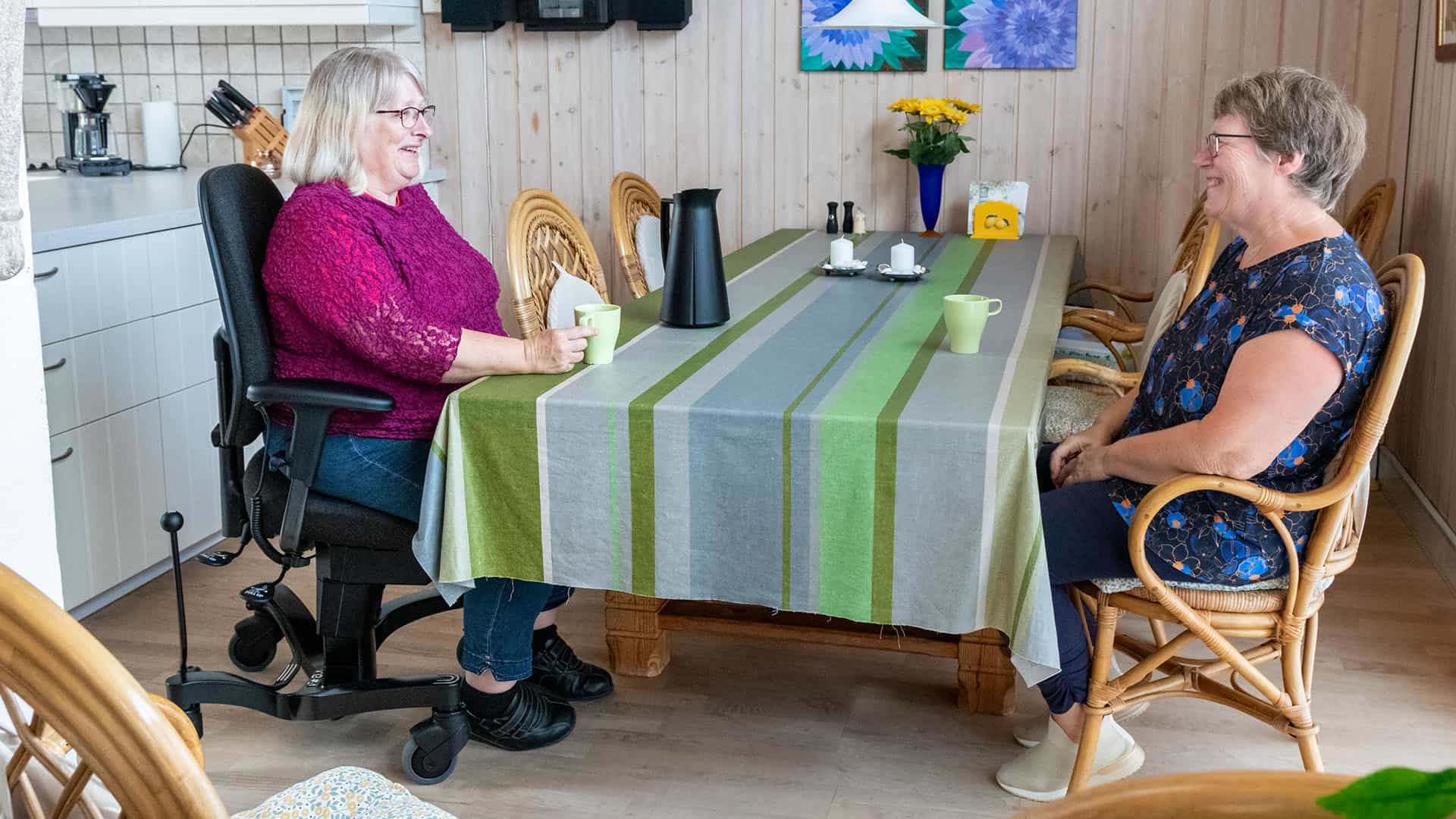
Integrating adaptive equipment, like medically approved mobility chairs such as VELA designs for home use, offers additional support aiding in independence. These chairs enhance safety and provide freedom of movement while seated, supporting daily activities such as cooking, dressing, or transferring, while effectively lessening the burden on informal caregivers. By focusing on individual comfort and accessibility, these solutions promote a safer, more autonomous living environment for seniors.
Typical Challenges Faced by Seniors
Seniors often encounter challenges in conventional bathroom settings due to mobility impairments and associated fall risks. Tailored solutions for common conditions such as arthritis and cognitive decline include zero-threshold showers and seated shower options. One inspiring story tells of a senior who enhanced their safety and confidence following a bathroom retrofit with these features. Practical insights from Goman’s Assisted Bathroom Design Standards further affirm the necessity for accessible designs.
Clinical recommendations increasingly encourage multi-sensory bathroom environments to support both cognitive and physical rehabilitation. This includes adjustable lighting, temperature controls, and inclusive product development that directly involves users with disabilities. These approaches prioritize user-centered design, comfort, and the reduction of disorientation, further supporting independent bathroom use HWC Home Works Corp..
Cost and Provider Comparison
The cost of adapting a bathroom for independent senior living varies widely. Basic adjustments like grab bars and raised toilets might range from $200 to $1,200. More extensive modifications, such as installing a zero-threshold shower with wheelchair access, could cost between $8,000 and $15,000. Providers like Atria and Sunrise Senior Living are celebrated for their accessible bathroom designs, often receiving positive feedback from users for enhancing safety and dignity. The EverFab Bath blog emphasizes that ADA compliance and sophisticated design can coexist, validating the investment in these facilities.
Recent regulatory trends show that several regions are now adopting stricter minimum accessibility standards even in private residences, encouraging adoption of non-slip flooring, wider doorways, wheelchair-accessible layouts, and the integration of smart home technologies for those with reduced mobility KavanaghCC.com.
Introducing Adaptive Equipment: VELA Mobility Chairs
Integrating adaptive equipment such as VELA chairs can significantly boost safety and independence in the bathroom. These chairs offer stability and support during essential tasks like transferring between the wheelchair, toilet, and shower. Designed specifically for seniors who require additional mobility support, VELA chairs greatly minimize fall risks in a high-risk environment. They are a valuable addition to any comprehensive safety and accessibility strategy, harmonizing with other bathroom elements to encourage secure and confident independent living.
Supporting Aging in Place: A Practical Option
For seniors and families considering alternatives to nursing homes, adaptations like mobility chairs can make meaningful differences. VELA Chairs, for example, offer vital features addressing earlier discussed challenges — such as safety and energy conservation — by providing a central brake for stability, electric height adjustability for ease of access, and simple movement while seated. These chair solutions allow seniors to maintain their independence for longer, handling everyday tasks such as cooking, cleaning, and moving between rooms efficiently. Consequently, they might delay or even negate the need for more extensive care facilities, fostering not only physical safety but also emotional well-being through retained dignity and autonomy. Yet, it is crucial to acknowledge that while practical, VELA is but one proven solution in a landscape of diverse supportive options.
Modern Trends and Holistic Design
Expert opinions now stress the value of holistic bathroom environments that harmonize safety, accessibility, and wellness. Demand is increasing for spa-like features such as steam showers, seat-integrated showers, and smart monitoring systems, showing that self-care and safety can go hand in hand ElleDecor.com. Inclusive design standards, matte surfaces, and nature-inspired finishes are widely adopted to reduce hazards without sacrificing style Hansgrohe Magazine. By blending advanced technology, functional accessibility, and sensory comfort, the industry continues to redefine independent living bathrooms, supporting safety, dignity, and independence for all users.
Sources
- U.S. Access Board – ADA Standards Guide
- NewHomeSource – Senior Living Design Guide
- HUD – Fair Housing Act Requirement 7
- Goman – Assisted Bathroom Design Standards
- EverFab Bath – ADA Compliant Bathrooms
- HWC Home Works Corp. – Accessible Bathroom Design Ideas
- Hansgrohe Magazine – Bathroom Trends in 2025: A Room Re-imagined
- ElleDecor.com – 7 Bathroom Trends Experts Predict Will Be Everywhere in 2025
- KavanaghCC.com – Best Bathroom Remodel Ideas for Aging in Place – 2025 Guide