

Updated January 2026: We have updated the article with the latest advances in AI-driven assistive technology, including wearable smart devices, smart home IoT systems, brain-computer interfaces, and robotics—enhancing independence and safety for people with mobility limitations. New research on AI-powered glasses, sip-and-puff controls, and ethical trends in user-centered design and accessibility policy are included, reflecting current developments relevant to Bellevue’s community.
Updated September 2025: We have updated the article with the latest breakthroughs in AI-powered assistive technology, including integrated wearable devices with biometric monitoring, radar-based fall detection, and real-time visual interpretation tools for enhanced independent living. New Bellevue initiatives supporting inclusive innovation and updated assistive technology policy for seniors and students are included, reflecting growing collaboration and user-driven design in local and national accessibility efforts.
Exploring independent living in Bellevue, WA: a comprehensive guide
Bellevue, Washington, a city known for its vibrant culture and picturesque landscapes, is home to a flourishing senior community. With seniors making up approximately 14% of its population, Bellevue offers diverse needs and preferences that shape its approach to independent living. According to the City of Bellevue’s Human Services Needs Update (2021–2022), the integration of supportive services and innovative solutions is key in enhancing the quality of life for this demographic.
The independent living landscape in Bellevue, WA
Independent living in Bellevue involves seniors residing in apartments or condominiums designed for older adults who desire an active, maintenance-free lifestyle. This option fits seamlessly into the spectrum of senior care, providing an environment that balances independence with access to necessary amenities and social opportunities. Bellevue’s diverse senior demographic further influences the variety of services offered in these communities, catering to cultural preferences and language needs. According to the City of Bellevue Human Services Needs Update, nearly a third of senior renters face challenges due to housing costs, prompting many to seek community-based independent living options.
In practical terms, consider the story of Mrs. Thompson, a senior who successfully transitioned into an independent living community in Bellevue. Facing initial concerns about cultural integration, she found a welcoming environment through multicultural events and language support services that eased her transition and fostered a sense of belonging.
Top-rated independent living communities in Bellevue
For those exploring independent living options, Bellevue offers several top-rated communities noted for resident satisfaction and comprehensive services. Communities such as Sunrise of Bellevue and Evergreen Court are praised for their staff’s approachability and welcoming atmosphere. According to reviews on SeniorLiving.org, amenities such as daily activities, wellness programs, and cultural events play crucial roles in enhancing residents’ quality of life. Residents, like Mr. Garcia, who actively participates in Evergreen Court’s wellness programs, appreciate the engagement and support these activities provide.
Navigating costs and affordability in Bellevue’s independent living
Cost is a significant factor when considering independent living. The average monthly cost in Bellevue is approximately $4,354, as reported by recent assessments. According to the U.S. Census Bureau, socio-economic diversity impacts affordability, with nearly 8% of seniors living below the federal poverty level and others dedicating a substantial portion of their income to housing. In response, local programs offer financial aid and assistance to help seniors meet these costs, thereby making independent living more accessible.
Enhancing mobility and safety: innovative solutions for Bellevue seniors
Mobility and safety are paramount in ensuring a fulfilling independent living experience. The landscape of assistive technology has accelerated further in 2025 and 2026, driven by integration of advanced artificial intelligence, smart home systems, and inclusive user-centered design. Bellevue communities and individuals now benefit from AI-powered smart glasses (such as those equipped with Live AI), which provide real-time environmental descriptions and visual interpretation for users with visual impairments.
Recent brain-computer interfaces (BCIs) and sip-and-puff controls enable intuitive operation of mobility aids and communication devices for users with severe mobility limitations.
The latest wearable devices incorporate AI-driven biometric monitoring, radar-based fall detection, and haptic feedback, facilitating immediate alerts to caregivers and supporting safe navigation both at home and outdoors. Smart home IoT systems in Bellevue adapt lighting and temperature automatically, tailoring living environments to individual needs.
Robotics are increasingly deployed to support daily tasks and mobility training through extended reality (XR) experiences with haptic feedback, providing personalized rehabilitation and higher engagement in therapy.
Smart wheelchairs and custom 3D-printed devices now utilize AI, adaptive sensors, and mobile integration for comfort, LIDAR-based navigation, and greater autonomy in community settings.
A strong focus on user-centered, ethical design guides local innovation. Bellevue’s Inclusive Innovation Forum and Innovation Exchange continue to empower residents, caregivers, and civic leaders in shaping accessible public spaces. User feedback and community-driven adaptations are prioritized, though challenges regarding device affordability and timely access—such as updated deployment timelines for new mobility tools—remain ongoing. The Bellevue School District updates assistive technology policy regularly, incorporating new AI and accessibility tools to support student independence in alignment with national guidelines.
These advancements collectively enable smarter, proactive safety and greater personal freedom for people with disabilities, seniors, caregivers, and healthcare providers in Bellevue. Initiatives address not only technology but also cost, inclusivity, and ethical AI practices, in step with guidance from global and national organizations.
Sources:
Let’s Envision,
Innovation Caption,
ADvancing States,
City of Bellevue,
Bellevue School District,
City of Bellevue,
Nabroward.com,
ThinkBeyondTheChair.org,
EqualAccessibility.co,
AbilityMT.org,
PR Newswire,
World Health Organization,
Assistive Technology Journal,
Continual Engine,
FAFTB,
CES 2026 Podcast,
Sen Teacher’s Training.
Supporting aging in place: a practical option
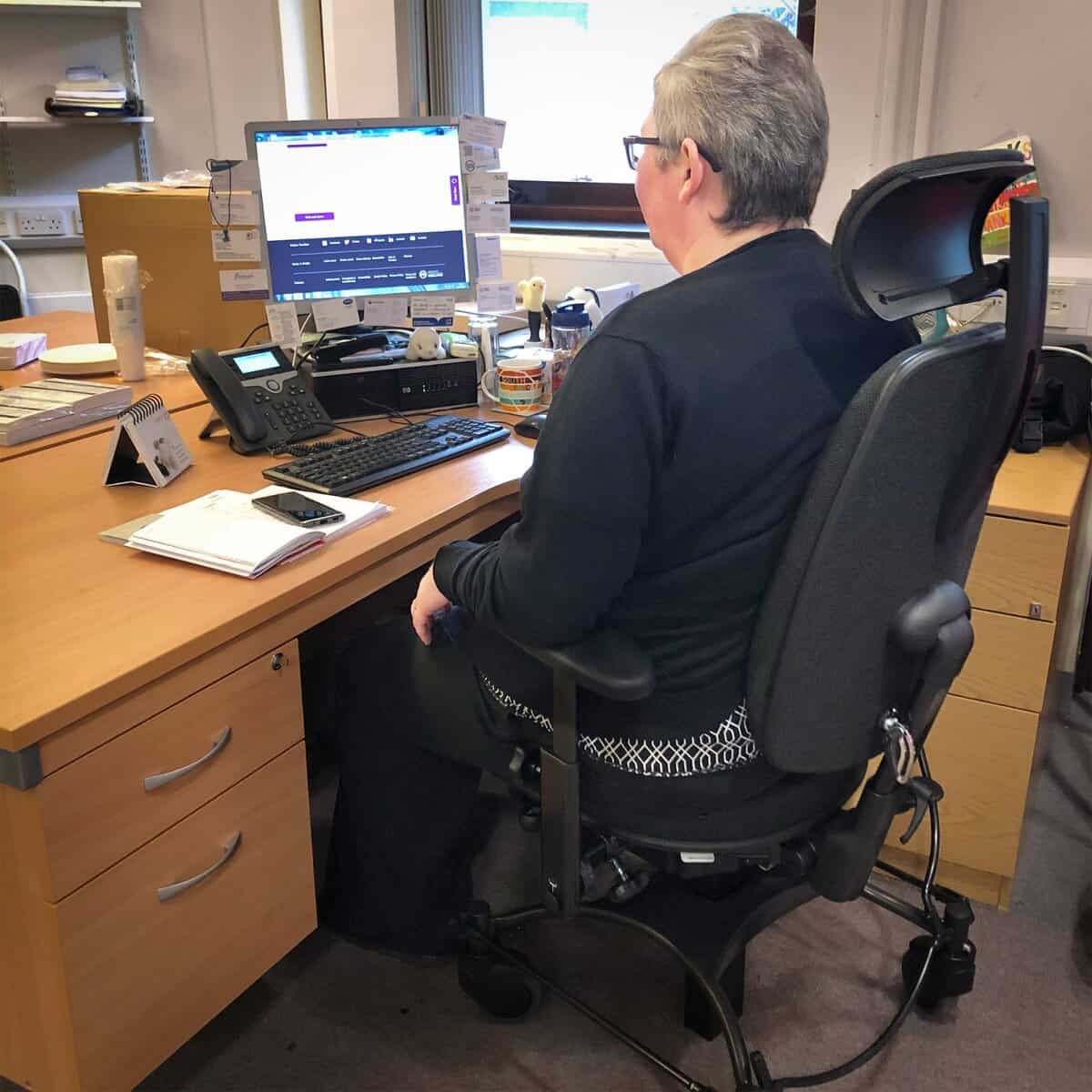
Staying independent at home is a priority for many seniors, and tools like the VELA chair provide effective support for this goal. Equipped with features such as electric height adjustability and a central brake system for enhanced safety, these chairs reduce the risk of falls, facilitate easier transfers, and save energy for those with mobility challenges. By making daily activities more accessible, such as cooking or cleaning, VELA chairs not only prolong independent living but also alleviate the physical demands on caregivers. While it is not the sole solution, it is a proven and practical option within the array of chairs designed for elderly independence. Embracing such smart seating options can preserve dignity, freedom, and safety, allowing seniors to thrive in their own homes longer, delaying the need for more intensive care settings.
These mobility solutions for independent living underscore the importance of accessible design in promoting active, fulfilling lifestyles for seniors in Bellevue and beyond, ensuring their homes remain safe and welcoming environments.