

Updated January 2026: We have updated the article with the latest developments in AI-powered assistive technologies, including smart AI glasses, adaptive exoskeletons, haptic navigation devices, and advances in ergonomic inclusive design. The revision reflects new trends in hands-free mobility aids, real-time haptic feedback, and community-driven innovation, with emphasis on accessibility standards and user adoption of AI wearables that enhance daily independence.
Navigating Independent Living in Blaine: Your Guide to Choice and Comfort
Blaine, WA, is a vibrant community where seniors aged 65 and over make up a remarkable 25.03% of the population, significantly higher than the national average of 16.84%. This demographic trend highlights the necessity for tailored senior care options in the area. As older adults and their families seek living arrangements that balance autonomy and support, understanding what independent living in Blaine involves becomes crucial. According to Neilsberg Population Insights, this thriving community provides ample opportunities for seniors making the transition to independent living.
What Is Independent Living? Key Features and Benefits in Blaine, WA
Independent living in Blaine represents a lifestyle choice focused on autonomy, community connectivity, and safety. Unlike assisted living, it’s meant for seniors who are mostly self-reliant but appreciate access to supportive services. The National Institute on Aging specifies that independent living suits seniors who need minimal assistance but enjoy the security and convenience afforded by community living.
Independent living solutions have recently benefited from cutting-edge advances in AI-powered assistive technology. The latest technologies now include not only AI-powered smart wheelchairs and mobility aids with GPS navigation, collision avoidance, health monitoring, and remote customization via mobile apps, but also smart wearables such as AI-enhanced glasses capable of live real-time scene description and object detection. Adaptive exoskeletons with AI control systems are increasingly available for users with significant mobility impairments. Wearables like the upcoming Glide haptic navigation tool offer tactile guidance for users with vision or mobility needs, although some devices are facing release delays. These devices adapt to user behavior and promote hands-free, natural engagement, multilingual scene recognition, and social inclusion, supporting autonomy and reducing reliance on caregivers. Advances in ergonomic design prioritize accessible interfaces, better tactile feedback, and inclusive use.[1] [2] [5] [6]
In Blaine, communities such as The Willows provide a blend of freedom and support. Residents engage in community activities that foster connection, thereby reducing social isolation. These communities are also marked by accessibility, featuring spaces designed for safety and ease of movement.
Senior Demographics: Who Chooses Independent Living in Blaine?
Various demographic and personal factors influence the decision to move to an independent living facility. In Blaine, seniors may experience mobility limitations, chronic conditions, or social solitude, making independent living an appealing option. Financial considerations also weigh heavily on choices, as many seniors rely on fixed incomes or benefits such as Medicaid for budgeting.
Recent trends highlight a growing emphasis on aging-in-place technologies, now increasingly integrated with mainstream consumer electronics and smart home ecosystems. Remote health monitoring, fall detection, adaptive furniture, and connected devices empower older adults to maintain independence within their communities and increase usability through personalized and predictive adjustments based on user data. Community-driven innovations and feedback from users have led to hands-free and real-time adaptive assistive devices supporting daily living.[3] [4]
Insights from the U.S. Centers for Medicare & Medicaid Services illustrate that transitioning to independent living often results from a need for greater security and access to community resources. One Blaine resident, for instance, found renewed social connections and financial stability after moving from a private home to an independent living community.
Top-Rated Independent Living Communities in Blaine: Reviews and Comparisons
Blaine offers several esteemed independent living facilities, each catering to diverse needs and preferences.
- The Willows is renowned for its LifeMinded program, which enriches the lives of residents by combining stable rent structures with personal growth activities.
- Good Samaritan Society – Stafholt provides a welcoming environment alongside tailored support services.
- Julies Bayview is known for its cozy, homelike atmosphere with personalized attention for each resident.
Enhancing Independence: Mobility Solutions and VELA Chair Benefits
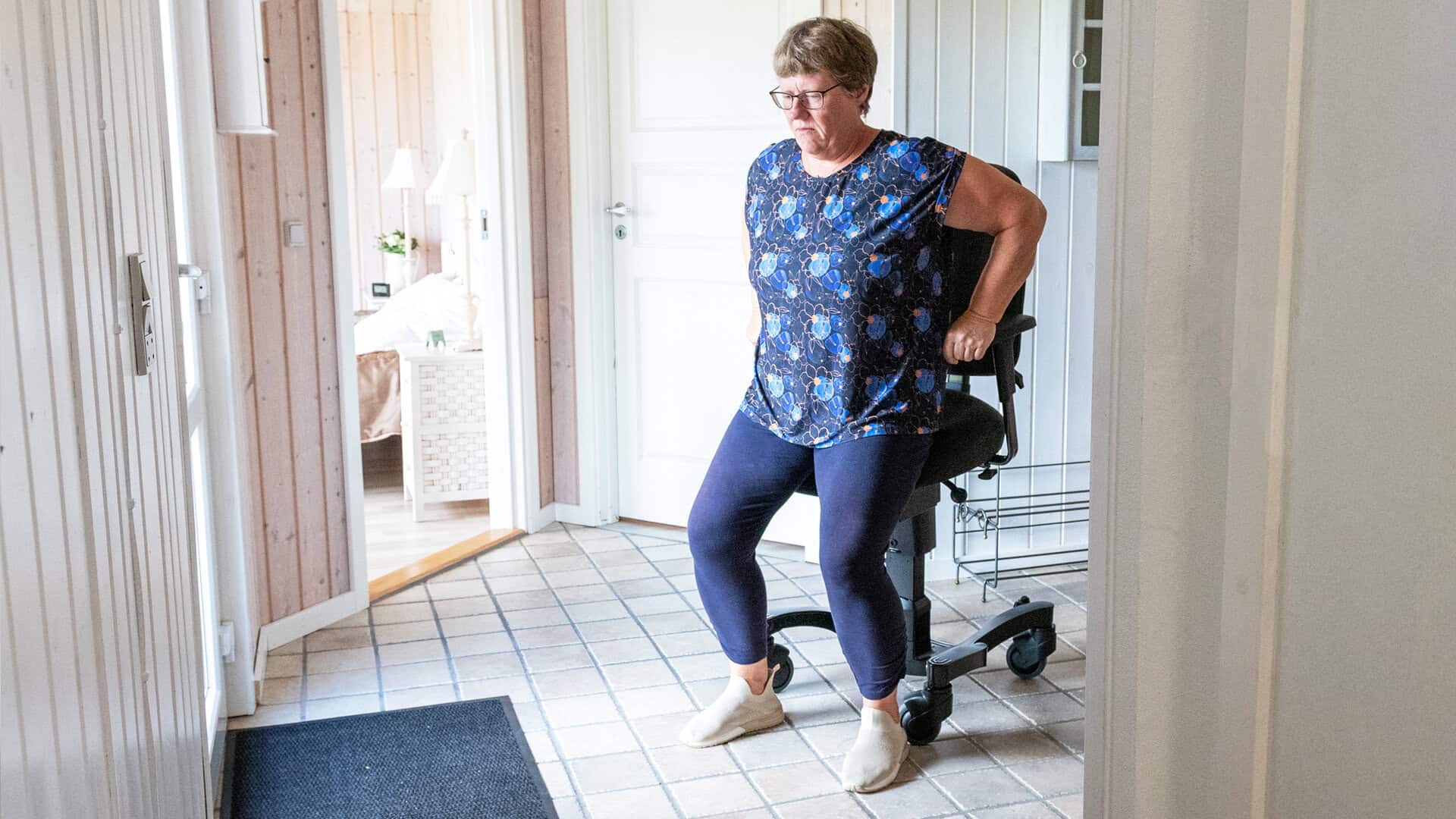
While nursing homes offer comprehensive care for those with extensive needs, many seniors prefer solutions that allow them to remain in the comfort of their homes, maintaining independence for as long as possible. Innovative tools such as VELA chairs provide an effective way to support this goal. These medically approved mobility chairs are designed for home use, offering enhanced safety and freedom of movement. VELA chairs assist with everyday activities like cooking, dressing, or transferring, easing the physical burden on informal caregivers and allowing older adults to stay independent.
Technological advancements have introduced smart connectivity and ergonomic improvements to assistive devices. Modern mobility solutions now include not only AI-powered smart wheelchairs with advanced safety features, but also wearable devices such as AI-enabled smart glasses and haptic vests providing real-time audio description, visual interpreting, and environmental awareness. Innovations such as adaptive exoskeletons with AI adjustment and live AI processing for privacy are becoming more common. Tools like the Meta Ray-Ban smart glasses offer real-time scene descriptions and obstacle detection for people with vision loss, supporting independent navigation and social participation. Haptic navigation devices such as the Glide tool, now adapted for spring 2026 release, reinforce safe travel with tactile cues.[2] [4] [6] [5]
These devices contribute significantly to greater independence, supporting older adults and individuals with disabilities or sensory impairments in safer, more natural engagement with their environments. Refined ergonomic and inclusive designs prioritize tactile feedback, intuitive interfaces, and accessibility for diverse users, while real-time adaptive features empower hands-free, daily support and a higher level of personal empowerment.[7] [8]
Empowering Independence: Your Guide to Senior Living in Blaine
Blaine’s independent living communities promote an enriching setting where seniors can thrive. By combining autonomy with supportive resources, these communities ensure that residents can savor their golden years to the maximum. Advanced mobility solutions, like Mobility Chairs for Independent Living, further elevate the quality of life by providing practical daily support.
User-centered and inclusive design has become central to new assistive technologies. Feedback and lived experience from individuals in the community is shaping more usable, accessible devices for users with mobility, sensory, and cognitive needs. This shift toward integrating assistive technology within mainstream products enables greater social inclusion and ease of use, supported by policy trends emphasizing AI bias audits, privacy via on-device processing, and increased funding for personalized rehabilitation devices.[9] [8]
For precise information on the standards and regulations governing these facilities, the Washington State Department of Social and Health Services serves as a reliable resource, aiding seniors and their families in making informed decisions. National policy initiatives and regulatory updates continue to champion transparent, interoperable assistive technologies and timely access to devices, reinforcing the role of AI, predictive mobility aids, and inclusive design in enhancing quality of life.[3]
Supporting Aging in Place: A Practical Option
Staying independent at home can present challenges, yet with the right tools, seniors can enjoy the liberties of their familiar surroundings for longer. The VELA Chair is one such innovative mobility solution that empowers aging in place by enhancing safety and accessibility. Its features, such as the central brake for added stability, electric height adjustability for comfortable seating, and ease of movement within the seat, remain crucial for everyday tasks like cooking or cleaning. Alongside AI-powered health monitoring, adaptive furniture, haptic navigation tools, and integrated fall detection, these solutions collectively support delaying transitions to higher levels of care and uphold seniors’ dignity and autonomy.[1] [5] [6]
While VELA is a proven and beneficial option, it is not the only solution available for seniors seeking independence. Addressing key issues such as fall prevention, energy conservation, and communication, modern mobility aids and assistive devices—especially those leveraging AI and real-time feedback—can substantially delay the transition to nursing homes and maintain the dignity and freedom that seniors value most.