

Updated January 2026: We have updated the article with the latest advances in AI-powered assistive technologies, including smart wheelchairs, exoskeletons, and AI-enabled wearables such as smart glasses with real-time navigation and scene description. The update highlights key 2025–2026 trends in ergonomic design, tactile feedback, and emerging inclusive policies for mobility and independence. It also reflects new guidance from systematic reviews and the latest South Carolina programs supporting integrated technology and personalized rehabilitation for seniors and people with disabilities.
Independent Living in Bluffton, SC: A Senior’s Guide to Finding Community and Independence
Bluffton, South Carolina, has emerged as a highly desirable destination for those seeking independent living options for their retirement. With its vibrant community atmosphere and comprehensive senior services, Bluffton stands out as a leading choice. According to Medicare.gov, approximately 1 in 3 adults aged 75+ in the U.S. live alone, highlighting the pressing need for secure, communal housing options that allow for both privacy and social engagement.
What Makes Independent Living in Bluffton Unique?
Independent living in Bluffton is specifically designed for seniors who value autonomy but appreciate having services and social opportunities within arm’s reach. Unlike assisted living or nursing care, independent living suits those who do not require direct assistance with daily activities but wish to flourish in a supportive environment. Bluffton’s communities provide numerous examples of seniors engaging through social events and wellness programs, making it a place where independent living thrives. According to CDC Healthy Aging Data, over 85% of seniors aged 65 or older have at least one chronic condition, emphasizing the demand for environments that support health and wellness. Recent advances in assistive technology—such as AI-powered smart wheelchairs, exoskeletons that support mobility, all-terrain power chairs with stair-climbing capability, AI-powered wearables like smart glasses providing real-time environmental descriptions and navigation, and multilingual support for diverse user needs—are now increasingly available. These technologies foster greater personalization and accessibility, enhancing independence for individuals with varying sensory and mobility needs, and have become central to independent living solutions.[1] [2] [5]
Tailoring Your Retirement: Choosing the Right Independent Living Community
Selecting a community requires understanding the typical demographics and health needs of Bluffton’s retirees. Many residents face common health conditions such as arthritis, diabetes, and hypertension and they value communities that offer support for these issues. Retirement decisions are equally influenced by socioeconomic trends, requiring facilities to adapt to the expectations of those on fixed incomes or retirement savings. According to the South Carolina Department on Aging, knowing your rights and comprehending facility regulations are essential steps in choosing the right fit. Community events such as the annual South Carolina Assistive Technology Expo provide up-to-date education for both seniors and health professionals, reinforcing the importance of community integration and helping residents stay informed about emerging supports—including AI-powered mobility devices, exoskeletons, smart glasses, communication aids, and rehabilitation technologies that are designed with direct user and disability expert involvement. Newly recognized best practices emphasize ergonomic design and tactile feedback, along with advocacy for inclusive accessibility policies in both technology and community settings.[2] [3] [4]
Exploring Bluffton’s Premier Independent Living Communities
Bluffton hosts a range of independent living options, each boasting unique services and atmospheres. For instance, Bloom at Belfair offers a supportive environment with a range of activities and general camaraderie at a monthly cost of $2,000–$4,300, making it an attractive choice for those on a budget. Seniors.FYI provides insights and user reviews to guide potential residents in evaluating services and community vibes, ensuring they find a place that feels like home. With user feedback collected at recent community and state-level events, the focus continues to shift toward solutions that merge technology with comfort, accessibility, and inclusivity. This includes ergonomically designed products with tactile feedback, AI-powered mobility and navigation aids, and policy initiatives for bias-free and privacy-protected use of emerging technologies in senior communities, reflecting the most recent findings from systematic reviews in the field.[1] [2] [4]
Navigating the Costs of Independent Living in Bluffton
The cost of living in these communities can vary considerably, with prices impacted by amenities, unit sizes, and additional services provided. According to Seniors.FYI, Bluffton’s independent living costs average around $4,461 per month. Veterans’ benefits and tax credits can also help reduce financial strains. Financial empowerment for seniors and people with disabilities is also supported through state-backed programs such as the Palmetto ABLE Savings Program, which assists with savings for assistive technology and other disability-related expenses, and ongoing legislative initiatives promoting competitive integrated employment and wage protections. Recent policy discussions further encourage access to high-tech assistive products, such as AI-enabled mobility and vision solutions, and advocate for equitable access and funding to reduce disparities for residents with additional support needs.[5] [4]
Unpacking the Unique Programs and Amenities of Bluffton’s Communities
Engagement and accessibility are fundamental in Bluffton’s communities, with specialty programs such as memory care and the integration of adaptive technologies being key offerings. The Bluffton Senior Center stands out by providing fitness classes and social activities that promote community engagement, exemplifying how the area caters to varied senior interests and needs. The evolving landscape of assistive technology—now influenced by AI-integrated mobility devices, smart glasses delivering real-time scene description and navigation, exoskeletons, and user-centered ergonomic design featuring tactile and haptic feedback—continues to shape program offerings and improve accessibility for all residents. This modern approach supports inclusive participation for individuals with mobility, visual, or hearing impairments and aligns with regulatory recommendations for equitable technological access.[1] [5] [2] [4]
Adaptive Supports in Independent Living: How Tools like VELA Chairs Enhance Daily Life
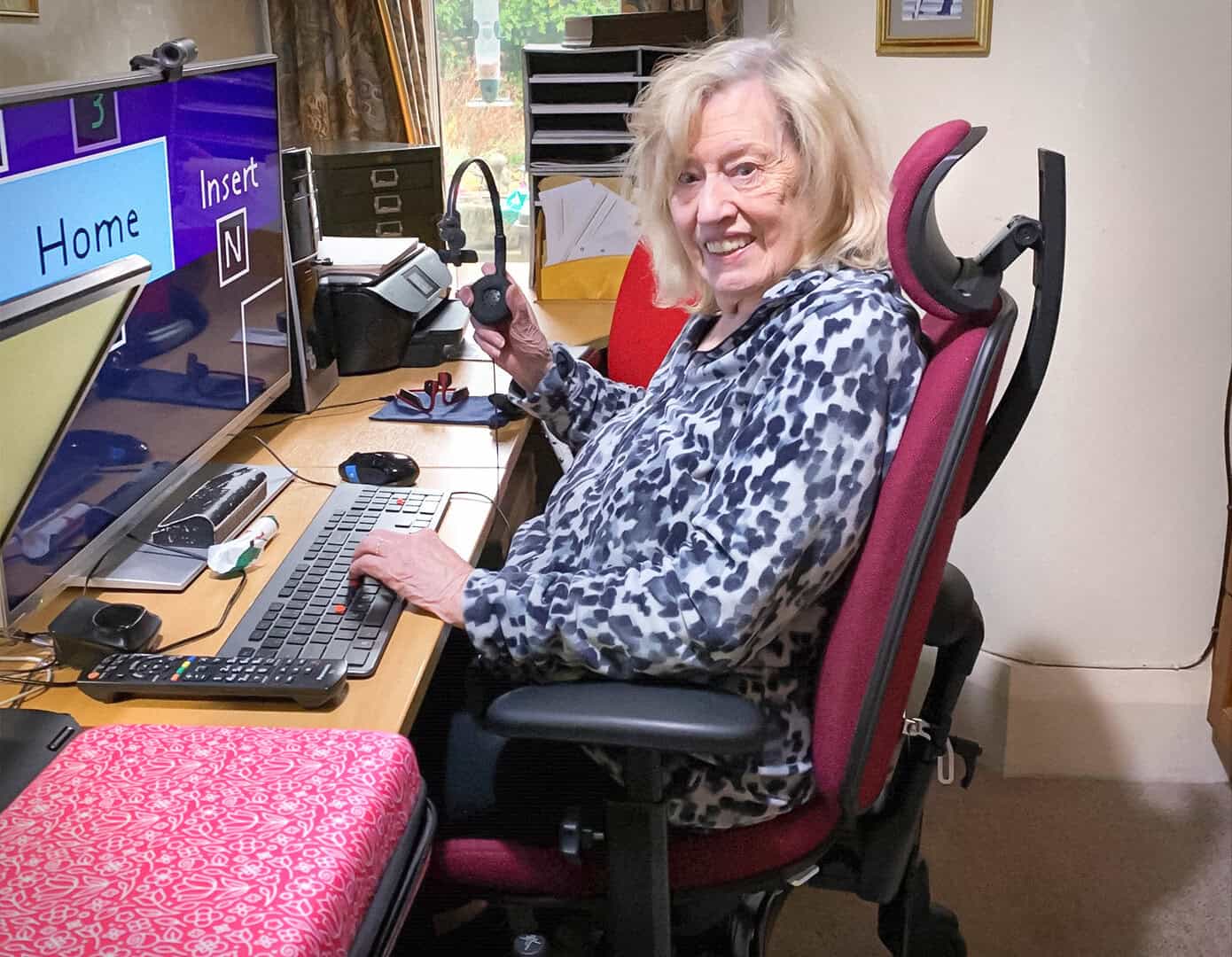
While ensuring vibrant social lives and health support, seniors often seek solutions that help them remain autonomous, steering clear of more intensive care environments like nursing homes. Yet, for many older adults, maintaining independence within their residences goes beyond amenities; it’s about having the right supportive tools. VELA chairs are a medically approved mobility solution designed to facilitate safety and freedom of movement at home. These chairs support daily endeavors such as cooking, dressing, or transferring, extending seniors’ autonomy while reducing the demands on informal caregivers. Recent trends in adaptive equipment increasingly emphasize AI-driven features—such as real-time obstacle detection in wheelchairs, predictive robotic assistance, and wearables providing immediate environmental feedback. These devices are now more ergonomic and accessible, reflecting tactile improvements and a focus on bias-free design. Products are personalized to user needs by rehabilitation engineers or through state assistive technology programs such as the SC Vocational Rehabilitation Department and SC Commission for the Blind. Many are tried and showcased at the latest expos and have been favorably reviewed in systematic studies for their role in maximizing independent living.[1] [2] [4] [2] [5]
Supporting Aging in Place: A Practical Option
Embracing a life of independence at home is increasingly possible with aids like the VELA Independence Chair. As seniors strive to remain in their familiar surroundings, these chairs offer essential features such as a central brake for enhanced safety, electric height adjustability for ease of transfers, and effortless movement while seated. The reality of life with a VELA Chair signifies dignity, security, and energy conservation—empowering seniors to manage everyday tasks from cooking to relaxing. By easing the physical strain and providing mobility confidence, such aids can defer, or even negate, the need for nursing home care, thereby supporting seniors’ wishes to age gracefully at home. Best practices for aging in place increasingly include personalized evaluation and matching of technology, now supported by AI-powered assessment tools and haptic, ergonomic product designs. These are often provided via SC state assistive technology programs or rehabilitation specialists trained in the latest advances. The movement toward user co-design and accessibility advocacy, prominent in the 2025–2026 South Carolina Assistive Technology Expo and echoed in contemporary research, ensures that every piece of equipment or technology in the home is adapted to daily living needs and maximizes both function and independence.[2] [3] [4] [7] [2] [4]