

Updated January 2026: We have updated the article with the latest developments in AI-integrated mobility aids, smart home and bathroom technologies, wearable health monitoring with predictive analytics, telehealth-embedded durable medical equipment, and innovations such as robotic exoskeletons, personalized AI coaching, and ergonomic smart devices supporting safer and more independent living for seniors.
Independent Living Checklist for Seniors: A Path to Freedom and Health
Achieving independence in senior years is pivotal for health and life satisfaction. According to the CDC, more than 95% of people aged 65 and over live in community settings, underscoring the significance of independent living. The National Institute on Aging emphasizes that independence is tied to improved health outcomes and greater life satisfaction. This guide provides an essential checklist for those exploring independent living, ensuring that all personal, health, and social needs are addressed. Recent advancements in senior care highlight the growing role of advanced assistive technologies and AI-powered solutions that support aging in place and independence. World Health Organization, National Institute on Aging, Physical Medicine and Rehabilitation Journal, Healthline, Cyces, DosePacker Blog, Envision Community Blog, iHealthcareAnalyst, AARP Survey Report (2024), and GlobeNewswire offer further guidance and research on recent trends. Cognitive Market Research Custom Market Insights Age In Place Tech
Understanding Independent Living for Seniors
Independent living communities are tailored for seniors who require minimal assistance with daily tasks. Unlike assisted living, they focus on providing a supportive environment without intensive health care services. Eligibility often requires seniors to manage daily activities independently.
The benefits of independent living are profound. According to Medicare.gov, independent living often emphasizes security and quality of life, with amenities like basic wellness checks and organized activities. Many seniors transition from assisted living to independent settings for greater freedom and active social engagement, crucial for successful aging. In recent years, the use of smart home and monitoring technologies, as well as telemedicine, have expanded options for maintaining independence and supporting wellbeing at home. The rapid adoption of AI-powered remote monitoring systems, wearable health devices, and connected care platforms allows for proactive health management, while new guidelines encourage integration of telehealth for more holistic support.Cyces DosePacker Blog Cognitive Market Research
Crafting Your Senior Independent Living Checklist
- Safety & Accessibility: Install emergency call systems and accessible bathrooms. Implement fall prevention measures, like secure carpeting and clear pathways. Modern smart home devices, including AI-powered sensors and voice-controlled assistance, are increasingly utilized to enhance safety and responsiveness. Integration of advanced wearables and smart sensor networks further supports real-time fall detection and alerts for caregivers. Recent innovations include pressure-sensor grab bars, IoT fall detection devices, and bathroom safety tools compatible with smart home ecosystems.iHealthcareAnalyst Cognitive Market Research
- Health & Wellness: Ensure access to fitness facilities and regular wellness checks for maintaining health. For example, Mrs. Thompson, who moved to independent living at 78, credits her community’s yoga classes with maintaining her mobility and reducing arthritis symptoms. Newer health monitoring wearables and remote consultation services are facilitating continuous health management. Predictive analytics, AI-integrated devices, and digital compliance tools help identify health risks early, offering proactive care and improved outcomes.DosePacker Blog Cognitive Market Research Age In Place Tech
- Social Engagement: Look for communities with robust activity calendars and communal spaces to foster social interaction. Technology, such as video calls and online platforms, now plays a greater role in enabling connections. Integrated AI assistants can simplify communication, particularly for individuals with sensory impairments.Envision Community Blog
- Services & Amenities: Confirm the availability of housekeeping, meal services, transportation, and laundry. Telehealth-embedded durable medical equipment now allows access to remote rehabilitation and virtual wellness programs integrated with home devices.Cognitive Market Research
- Financial Transparency: Understand fee structures and inclusions before committing. According to A Place for Mom, starting with location preferences and budget considerations helps ensure a seamless move.
- Location Considerations: Prioritize proximity to family, climate preferences, and community integration.
Real-world scenarios, like Mr. Jensen’s choice of a community close to his daughter with an active art program, show the importance of prioritizing personal preferences over luxurious amenities.
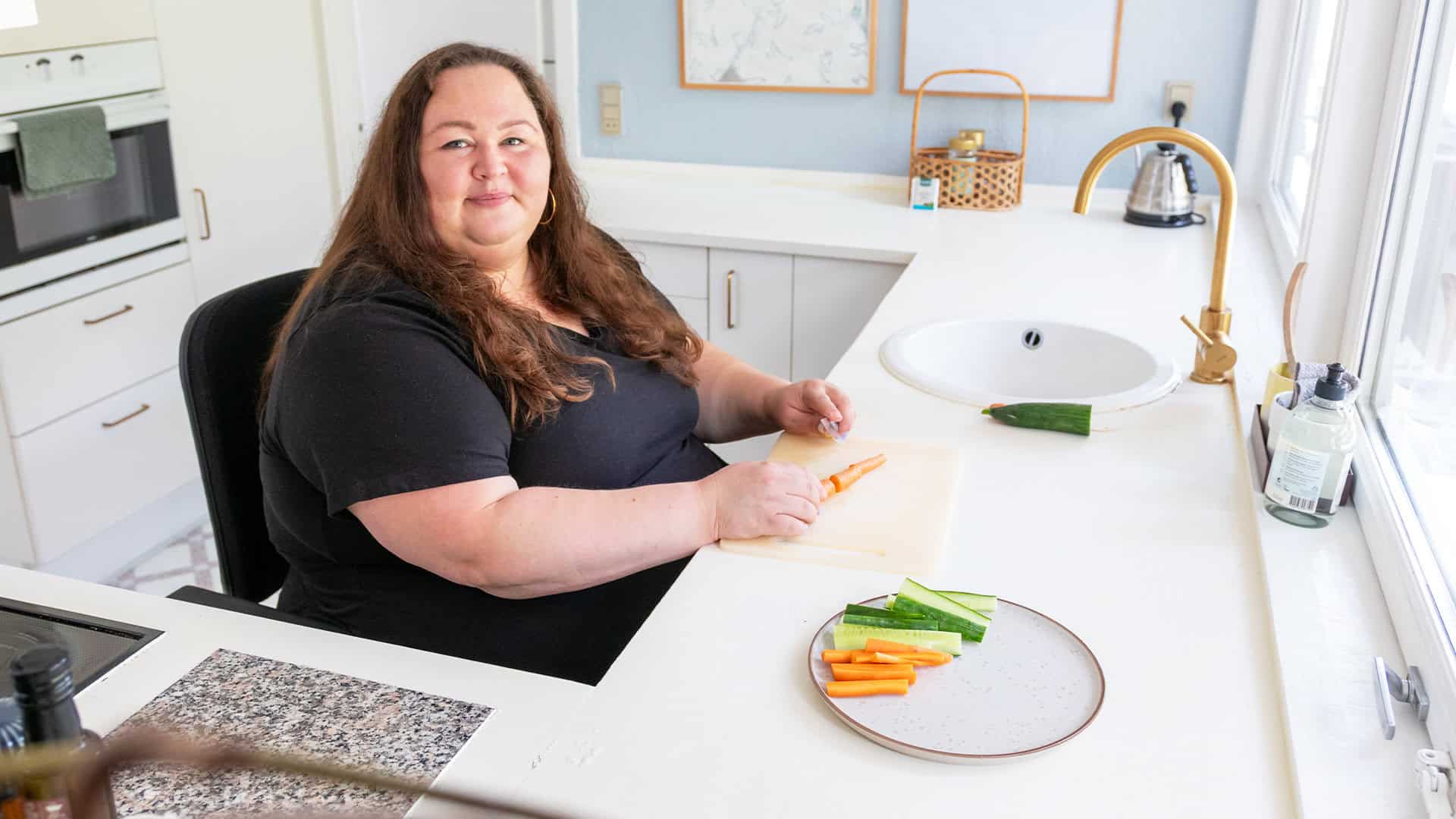
As seniors consider alternatives to moving into nursing homes, solutions that enable them to remain in their own homes become increasingly vital. One such solution is the VELA Independence Chair, a medically approved mobility chair. This chair is specially designed to provide enhanced safety and freedom of movement while seated, offering support for daily activities like cooking, dressing, or transferring. By reducing the physical and emotional load on informal caregivers, VELA helps older adults maintain their independence comfortably. Today, ergonomic and user-centered design in assistive devices, including chairs like VELA, is a key trend in promoting independence and ease of use. Innovations such as 3D printing, biomaterials, wearable robotics, and compact, foldable aids have led to more customizable, lightweight, and IoT-compatible products in 2026.iHealthcareAnalyst Cognitive Market Research Custom Market Insights
Evaluating Independent Living Options: Key Considerations
When exploring communities, asking the right questions is crucial. Inquire about staff ratios and security protocols. The Journal of the American Geriatrics Society notes that social activity satisfaction and perceived safety significantly influence functional outcomes and quality of life. Current research also highlights the importance of integrating advanced assistive technology, AI coaching for tailored exercise, and telemedicine offerings into community living to further promote wellbeing and autonomy.
Additional guidance on best practices is available through resources such as the European Disability Forum and the Disability and Rehabilitation Journal. New clinical guidelines recommend comprehensive deployment of personalized assistive devices supported by remote rehabilitation—now often including robotic exoskeletons and telehealth-enabled DME—and regular virtual consultations, supporting adherence and adjustment, particularly given broader healthcare staffing challenges.iHealthcareAnalyst GlobeNewswire Cognitive Market Research Age In Place Tech
Testimonials highlight that seniors in communities with engaging social programs and a warm culture report higher satisfaction and peace of mind.
Assessing Your Readiness for Independent Living
Conduct a self-assessment before transitioning. Evaluate your mobility, medication management capabilities, and desire for social interactions. The National Institute on Aging suggests that maintaining independence can reduce depression risk and enhance overall well-being. Today, assistive technologies—such as wearable predictive analytics, remote monitoring, and cognitive aids—help seniors better assess and support their readiness for independent living. Increasingly, intuitive AI-powered wearables provide early warning of health changes and support both users and caregivers in tracking and maintaining optimal independence.Cyces DosePacker Blog Cognitive Market Research Age In Place Tech
Consider seniors like Mrs. Clark, who successfully transitioned by setting new daily routines to integrate with her community, overcoming initial challenges with ease.
Final Steps in Choosing the Right Independent Living Path
This guide emphasizes diverse options that support senior independence. According to the National Institute on Aging, understanding and catering to personal needs are best practices in senior home care. Emerging solutions in healthcare, including AI-enhanced assistive devices, telehealth-embedded DME for virtual therapy, and improved rehabilitation practices such as home-based robotic exoskeletons and personalized AI exercise coaching, are making independent living more accessible and sustainable than ever before. User feedback shows that seniors value intuitive, user-centered designs and tailored education, contributing to higher satisfaction and stronger adoption rates.AARP Survey Report (2024) Custom Market Insights
Selecting the ideal independent living path requires informed decisions, balancing personal desires with practical considerations. Embrace this journey confidently, equipped with a tailored checklist to ensure independence and satisfaction in your golden years.
Supporting Aging in Place: A Practical Option
Staying independent at home requires practical solutions that address everyday challenges faced by seniors. Mobility solutions like the VELA Chair play a crucial role. With features such as a central brake for enhanced safety and electric height adjustability, these chairs provide not only a sense of security but also ease of movement while seated. Such features help delay the need for a nursing home by allowing seniors to perform daily tasks like cooking and dressing independently. Additionally, by reducing the physical demands on caregivers, these chairs uphold dignity and freedom for the elderly, making them a valuable addition to any home focused on aging in place. While VELA is a proven choice, it’s important to explore various options and recent innovations in assistive technology and ergonomic design to find what suits each individual’s needs best. Automated medication dispensers, voice-activated home controls, user-friendly connected systems, and compact, IoT-compatible mobility aids are now more widely available, supporting customized and safer independent living.Cyces DosePacker Blog Cognitive Market Research Custom Market Insights
For more information on the latest in assistive technology, visit resources provided by the World Health Organization, the National Institute on Aging, the Physical Medicine and Rehabilitation Journal, the Disability and Rehabilitation Journal, Healthline, the European Disability Forum, Cyces, DosePacker Blog, Envision Community Blog, iHealthcareAnalyst, AARP Survey Report (2024), GlobeNewswire, Cognitive Market Research, Custom Market Insights, and Age In Place Tech.