

Updated January 2026: We have updated the article with new developments on AI-powered wearables, brain-computer interfaces (BCIs), smart home integrations, advanced assistive classroom tools, robotics, personalized AI assistants, ethical AI adoption considerations, and current trends in inclusive education and policy funding for accessible technology.
Updated October 2025: We have updated the article with new findings on AI-driven smart glasses, IoT-integrated mobility aids, ergonomic and inclusive design principles, advancements in multisensory and adaptive educational tools, and recent global trends in assistive technology, expanding on accessibility and independence for individuals with disabilities and older adults.
Empowering the Next Generation for Independent Living
As high school students prepare to step into adult responsibilities, independent living classes serve as a critical bridge between theoretical education and practical life skills. Designed to equip students with the tools needed for self-sufficiency, these programs cover essential areas like personal finance, consumer skills, and mobility strategies—skills equally valuable for those managing elderly care environments.
Bridging the Gap: Independent Living Skills in High School Education
Independent living classes in high schools aim to endow students with life skills crucial for adulthood. Covering topics from managing personal finances to consumer skills, these classes are vital. According to New York State Education Department’s Independent Living Curriculum, courses often include practical applications like budgeting for a first apartment, a skill that mirrors budgeting knowledge necessary for managing care facilities or elder home settings.
From Classroom to Community: Implementing Independent Living Programs
Implementing effective independent living programs requires a combination of classroom instruction and community-based learning. Programs like Project LIFE Curriculum integrate work experience components, allowing students to practice real-life skills that can later be tailored for specific purposes, such as healthcare. For instance, understanding spend management in a nursing home setting can begin with basic budgeting exercises.
Inclusive Education: Tailoring Skills for Specialized Needs
For students with disabilities, independent living skills are adapted to suit diverse learning preferences. The expanded core curriculum provides specialized services supporting individual planning. According to the Expanded Core Curriculum for Students with Visual Impairments, these tailored programs ensure all participants achieve a level of independence applicable in varying contexts, such as elder care, where skills like managing adaptive technologies are crucial. Recent trends in assistive technology include the integration of AI-driven smart glasses, wearables, and indoor navigation tools using Bluetooth beacons and LiDAR mapping. These solutions now feature real-time object and facial recognition, multilingual support, facial expression detection, and seamless voice-interactive assistance by AI-powered systems, offering greater independence for visually impaired and other users Florida Reading blog, LetsEnvision community, Assistive Technology Journal editorial, AI advancements in accessibility tools, 2025 assistive tech roundup. The growing use of IoT in mobility aids and smart prosthetics enables devices to adapt in real time to user needs, enhanced by inclusive, ergonomic design that involves disabled engineers and accessibility consultants to better match user requirements Market.us statistics, Journal of Visual Impairment & Blindness. Multisensory and tactile learning environments, refreshable braille displays, haptic feedback wearables, and systems like text-to-speech and FM listening systems are now prominent in supporting diverse educational needs. Classrooms in 2026 have seen increasing adoption of technologies including text-to-speech tools (TTS), FM systems for clearer audio, sip-and-puff devices for hands-free control, and advanced writing aids which foster greater participation and independence for students with special educational needs SenTeachersTraining blog, Assistive Technology Journal editorial.
Emerging technologies also include brain-computer interfaces (BCIs) that support motor and communication needs, and real-time AI scene recognition embedded in smart glasses for hands-free navigation and access to visual information 2025 assistive tech roundup, AI advancements in accessibility tools. Robotics and the IoT are increasingly present in home-based rehabilitation and daily living support, with personalized AI assistants managing tasks such as schedule organization, object identification, and communication. However, widespread adoption faces challenges, including device cost barriers (particularly for Braille technology), the importance of user-centered design, and ongoing policy shifts to improve funding and accessibility for these solutions CES 2026 podcast, Assistive Technology Journal editorial.
Enhancing Mobility: Tools and Strategies for Safe Independent Living
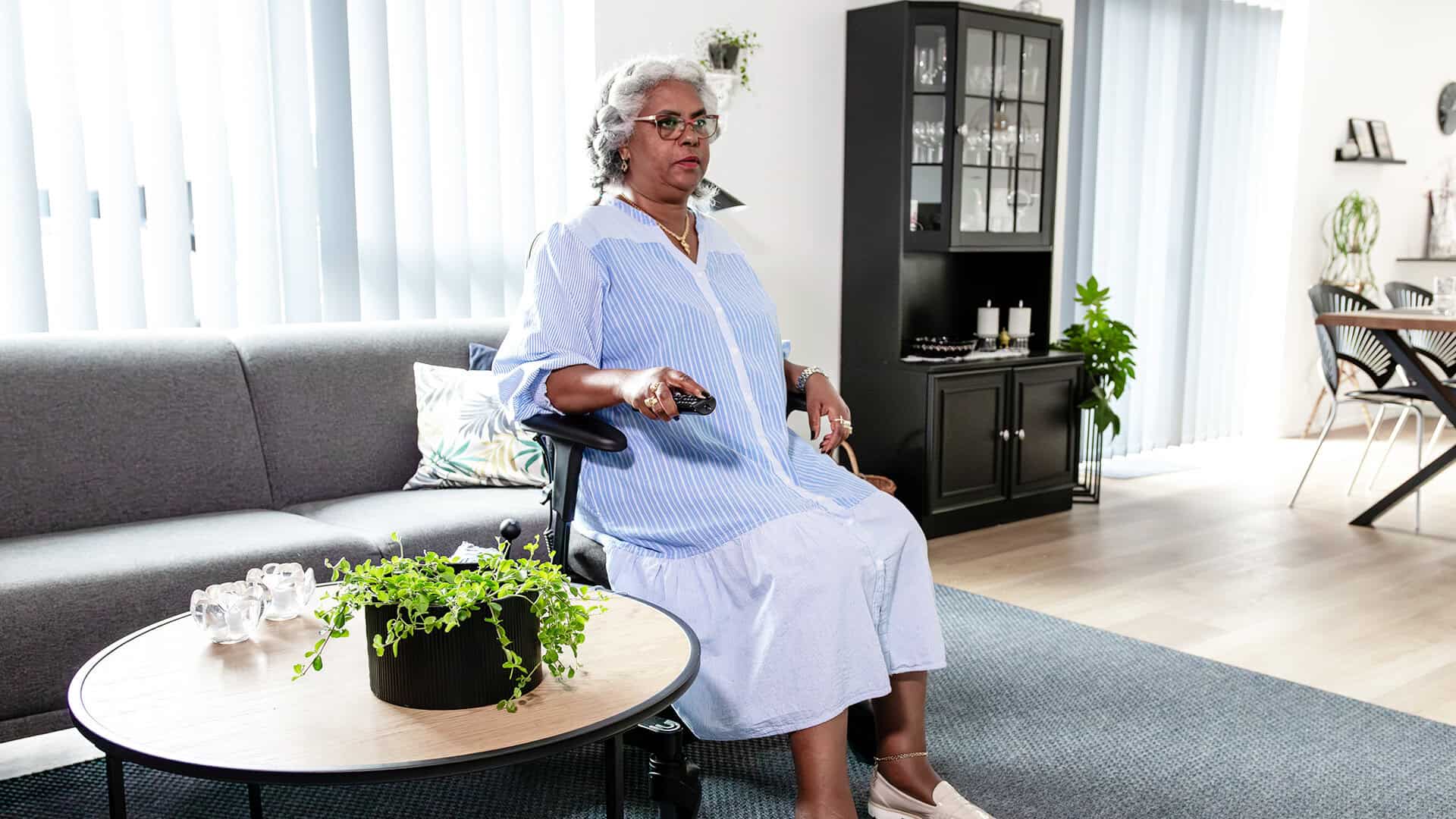
Mobility is essential in independent living, transitioning into elderly care where mobility aids play a vital role. Nursing homes face challenges in providing personalized mobility and safety solutions, which underscores the importance of tools that grant older adults autonomy within their own homes. One practical solution is the VELA Independence Chair. VELA chairs are medically approved mobility aids designed for home use, offering enhanced safety, freedom of movement while seated, and support with daily tasks like cooking, dressing, and transferring. These chairs significantly reduce the burden on informal caregivers, allowing for more independence and less reliance on nursing facilities. Alongside established solutions, the global assistive technology market is rapidly expanding, featuring AI-powered assistants, IoT-enabled and robotic devices, and wearables with real-time adaptive features that can be integrated into mobility and rehabilitation aids. These advancements provide context-aware navigation, responsive support for fall prevention, and tailored home-based care in line with evolving regulatory guidance, notably during and since the COVID-19 pandemic, which has encouraged remote health monitoring and greater device access Cognitive Market Research report, CES Accessibility Overview. New ergonomic product designs increasingly emphasize usability through optimal sizing, button placement, tactile feedback, and comfort, grounded in feedback from people with disabilities and professional consultants, contributing to a more effective and accessible user experience Journal of Visual Impairment & Blindness, Market.us statistics.
In conclusion, independent living classes play a vital role in preparing students for adult responsibilities. By focusing on life skills education, students acquire competencies that complement academic knowledge. According to educational standards, integrating these programs supports self-advocacy and decision-making skills. With these courses, educational institutions are not only empowering youths but are also laying foundational skills relevant for elder care management, thus preparing students for various pathways of independence. Stay informed about upcoming research and guidelines, such as those to be published in the Journal of Visual Impairment & Blindness.