

Updated January 2026: We have updated the article to include new findings on AI and IoT integration in assistive devices, advancements in smart mobility aids, the expansion of home-based rehabilitation with AI-driven therapies, and evidence-based best practices supporting aging in place. Additional authoritative sources reflecting these innovations and trends have been added.
Independent Living Classes: Empowerment and Independence for Seniors and Individuals with Disabilities
Independent living classes offer a transformative opportunity for seniors and adults with disabilities to maintain autonomy and enhance their quality of life. These classes focus on teaching practical skills essential for self-sufficiency, such as meal preparation, home management, and the use of assistive devices. According to CarePartners Living, 9 out of 10 seniors want to stay in their own homes, emphasizing the growing demand for resources that promote independent living. By addressing financial, social, and physical aspects, these classes provide a comprehensive approach to independent living. Recent advances in technology and care have expanded the support available to seniors seeking to remain self-sufficient, including AI-powered wearables, robotics, smart IoT-integrated mobility aids, and robust telemedicine solutions. Personalized, home-based therapies are increasingly common, aiming to improve mobility, reduce falls, and strengthen the ability to age in place.[1][2][3][5][7][10]
Understanding Independent Living: Definitions and Key Concepts
The concept of independent living, particularly for seniors, is built around maintaining autonomy while ensuring essential needs are met. According to Juniper Communities, individuals in independent living are healthy and capable, handling their daily chores without assistance. The Parent Center Hub describes independent living skills as those contributing to a successful independent adulthood. Skills encompass everything from meal preparation to personal care, all aimed at extending the period seniors can remain independent. For example, by participating in classes that teach balanced meal preparation, seniors can not only maintain nutrition but also reduce their dependence on meal delivery services.
With the rapid evolution of assistive technologies, independent living now also includes access to advanced AI-enabled devices such as smart walkers and wheelchairs with fall detection and remote monitoring, smart wearables, smart glasses for visually impaired seniors, robotics—including robotic exoskeletons and wearable robotics—for home support, and integrated smart home systems that together offer safety, real-time health tracking, and personalized feedback. The inclusion of app-linked devices and voice-activated aids has further reduced caregiver burden and fostered increased self-sufficiency.[1][3][5][7]
Who Benefits from Independent Living Classes?
The primary beneficiaries of independent living classes are seniors aged 65 and older, along with adults with physical or developmental disabilities. These classes play a crucial role in preserving quality of life and reducing dependency on more comprehensive care settings, such as assisted living. According to HumanGood, independent living offers the same autonomy as living at home, with additional community support. Financially, participants come from diverse backgrounds, with independent living often requiring a stable income for associated costs. Programs such as Medicaid’s PACE can offer financial assistance, facilitating greater access to these classes.
Seniors and caregivers now experience additional benefits from the integration of digital ecosystems, wearable robotics, and companion robots, which support balance, walking, and everyday activities, reduce isolation, and provide robust health management. Personalized, home-based therapies with AI-driven tools, as well as remote monitoring and telehealth integration, support both physical and cognitive independence. Nevertheless, digital literacy and access remain essential considerations, leading to the growing availability of user-focused training to help seniors navigate these technologies effectively.[1][2][3][5][7][10]
Financial Considerations: Cost, Insurance, and Payment
Independent living is an investment in autonomy, typically requiring entrance and monthly fees. Hebrew SeniorLife notes that entrance fees can exceed $100,000, with a substantial portion refundable. Monthly costs vary widely, ranging from $1,500 to $4,000, depending on location and amenities. Financial assistance programs, such as PACE, offer pathways to manage these expenses for those unable to cover costs out-of-pocket. Seniors often use a combination of savings, pensions, and long-term care insurance to finance independent living, ensuring they can access the services they need without financial strain.
Recent trends also show increased policy support for the adoption of advanced technologies in senior care, with insurance expansions now covering innovative durable medical equipment (DME), telemedicine, and remote health monitoring. Public initiatives have grown to facilitate adoption of AI-enabled and smart mobility aids, empowering older adults while containing costs for caregivers and healthcare systems.[1][3][7]
Integration of Safety and Mobility Tools: The Role of Assistive Devices
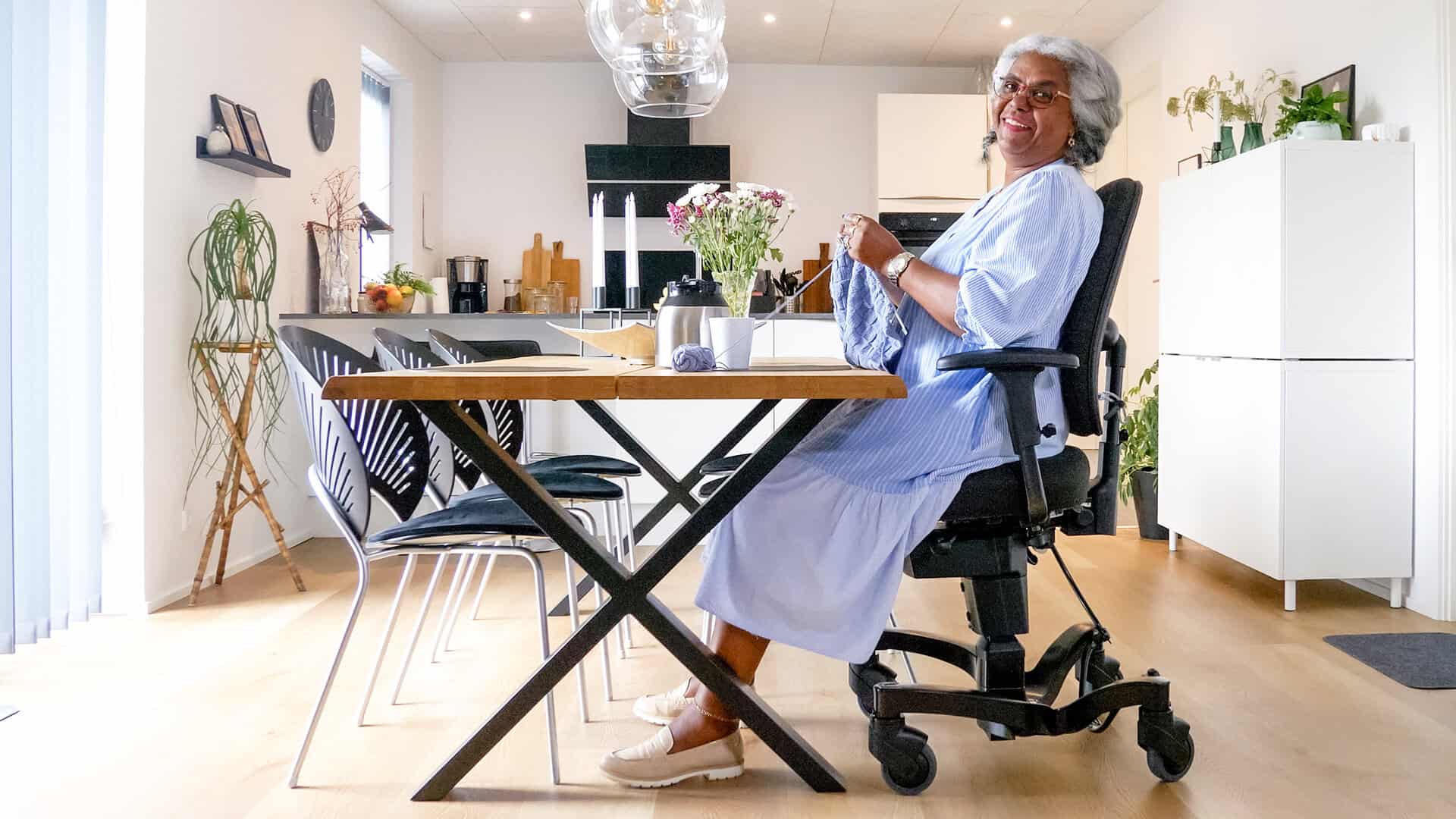
As people age, the desire to remain at home rather than move into nursing facilities grows, yet this independence can come with safety and mobility challenges. Innovative mobility solutions enable older adults to thrive safely in their environments. One such solution is the VELA chair, a medically approved mobility chair designed for home use. It enhances safety and promotes free movement while seated, supporting various daily activities like cooking, dressing, or transferring. This chair’s design eases the burden on informal caregivers and empowers seniors to engage actively and independently in their daily routines. VELA Chairs for Enhanced Mobility.
Today’s assistive devices are evolving rapidly. Modern solutions now include AI- and IoT-integrated smart walkers, rollators, and wheelchairs equipped with fall detection, remote health monitoring, voice activation, and personalized feedback systems. Wearable robotics and robotic exoskeletons offer advanced support for walking and balance, while ergonomic improvements such as adjustable and lightweight devices, vibration features for circulation, and 3D-printed, personalized components are increasingly common. Smart home systems further facilitate ongoing safety, health tracking, and social interaction support for seniors aging in place. These developments reflect a shift toward inclusive and data-driven design, ensuring comfort and improved outcomes for users with differing cognitive, sensory, and physical needs.[1][3][5][7]
Consider Marie, an 82-year-old retired teacher with arthritis. She uses a VELA chair to safely move around her kitchen, reducing the risk of falls while reaching for high shelves. The chair’s ergonomic design and stability features allow Marie to participate in cooking classes, which are part of her community’s independent living program, enabling her to continue her passion for cooking and maintain her independence.
How Mobility Solutions Like VELA Make a Difference
Enhancing mobility at home is critical for maintaining independence and delaying the need for nursing homes. Solutions like the VELA Chair offer practical benefits by addressing common challenges such as safety in movement and energy conservation. With features like a central brake for safety, electric height adjustability, and ease of movement while seated, these chairs prevent falls and allow for smoother transitions between activities. This is especially vital for tasks that require standing or moving around frequently, like cooking or cleaning. Without a VELA Chair, seniors might confront limitations that escalate quickly into the need for more comprehensive care. However, with it, they experience a life enriched by dignity, freedom, and safety, enjoying everyday activities with newfound ease. While not the sole answer to aging concerns, the Independence Mobility Solutions provide a proven, practical investment for aging in place.
Additionally, new approaches to rehabilitation note an increased emphasis on personalized, multidisciplinary, home-based therapy plans—often comprising 16 or more hours weekly after events such as stroke. These plans integrate physical, occupational, and speech therapies, frequently supported by AI-driven and remote tools to maximize functional independence, improve mobility, and reduce falls. Best practices advocate for a combination of evidence-based assessment tools and telemedicine delivery, enabling older adults to receive comprehensive rehabilitation while aging in place. Class settings for independent living reflect these approaches, with a focus on empowering seniors to achieve the highest possible level of self-sufficiency through individualized support and technology-enabled care.[2][7][10]
References
- 1. AgeTech Trends 2025: AI, Robotics & the Future of Aging (Cyces.co)
- 2. Senior Rehabilitation Therapies: Path to Recovery & Wellness (HBR Healthcare) https://www.hbrhc.com/rehabilitation-therapies-for-seniors
- 3. How Technology Will Transform Senior Care in 2025 (MyCareConcierge.org)
- 4. Community-Based Rehabilitation: A Scoping Review (PMC) https://pmc.ncbi.nlm.nih.gov/articles/PMC12243603/
- 5. Disabled and Elderly Assistive Device Market Report 2025-2030 (NextMSC)
- 6. Senior Rehabilitation Care Options After a Hospital Stay in 2025 (AssistedLivingMagazine.com)
- 7. Geriatric Assistive Devices Market: Trends, Technologies & Outlook (iHealthcareAnalyst) https://www.ihealthcareanalyst.com/geriatric-assistive-devices-trends-technologies-outlook/
- 10. FOX Colleagues Share Their Hopes for 2026 (Seniors Blue Book) https://seniorsbluebook.com/articles/fox-colleagues-share-their-hopes-for-2026