

Updated September 2025: We have updated the article to reflect the latest advancements in assistive technology for seniors, including AI-driven mobility aids, wearable health monitors, smart home systems, cognitive health tools, and evidence-based recommendations on user-centered design for independent living.
Exploring Independent Living Options in Columbia, SC
Independent living in Columbia, SC, offers seniors a vibrant and flexible lifestyle in a charming Southern locale. With 9.97% of residents aged 65–84 and 1.04% over 85, Columbia’s senior community continues to grow, emphasizing the importance of understanding available options. Notably, the US senior living market is projected to expand from $92.6 billion in 2023 to $118.17 billion by 2028, indicating an increasing demand for suitable living arrangements. According to Haven Senior Investments, this trend is evident in Columbia, where there is a rising need for moderately priced independent living solutions, reflecting broader national patterns.
Overview of Independent Living Options in Columbia, SC
Columbia offers a diverse array of independent living options tailored to various lifestyle preferences and economic situations. Residents can choose from luxury communities with spacious accommodations and high-end amenities, to budget-friendly apartments suited for seniors on a fixed income. Faith-based and nonprofit communities provide community-oriented experiences with transparency in costs and services. For more details, refer to A Place for Mom. A growing trend in Columbia is the availability of affordable housing options targeting the “middle market,” aiming to fill the gap for seniors who find high-end residences too costly but yearn for more than basic subsidized housing.
Understanding Costs and Payment Options in Columbia’s Independent Living Market
Navigating independent living costs in South Carolina can be complex. The median cost is $3,349 per month, slightly above the national average of $3,065, with fees varying based on location, amenities, and community type. According to SeniorLiving.org, seniors and their families can explore various payment options and financial planning strategies to manage these expenses. Many communities offer flexible payment plans, and some may accept certain types of long-term care insurance. Subsidized housing provides a lower-cost alternative, appealing to many middle-income seniors.
Regulatory Considerations: Safety, Licensing, and State Standards
In South Carolina, independent living facilities are less regulated than assisted living, with no specific state requirements beyond adherence to general building codes and safety standards. For more information, refer to A Place for Mom. This oversight ensures facilities are safe and accessible, providing peace of mind to residents and families. Despite less stringent regulations, many communities prioritize resident independence while maintaining health and security standards as seen on Retirement Living.
Comparing Top Independent Living Communities in Columbia: Amenities, Reviews, and Value
Columbia hosts several top-rated independent living communities, offering unique amenities catering to diverse needs. Holiday Forest Pines is noted for its pet-friendly environment, making it popular among animal lovers and those looking for community engagement. Discovery Village at Sandhill stands out with its attentive staff and active social calendar, fostering a lively social environment. Meanwhile, Deepwood Estates is commended for its well-maintained facilities and flexible care options, accommodating various resident needs. Detailed reviews can be found on A Place for Mom.
Supporting Fall Prevention and Independence
The landscape of assistive technologies and support systems for independent living has advanced rapidly. Modern mobility aids now integrate AI-driven features, such as robotic exoskeletons with intelligent stability controls, offering up to 45% improved walking stability compared to conventional options and lowering fall risk dramatically (INTCO Medical, 2025; JAMA Network Open, 2023). Wearable health monitors track vital signs and cognitive health, with evidence showing a reduction in hospitalizations by about 30% (Seniors Blue Book, 2025). Sensors are now frequently embedded in mobility aids to detect falls and provide real-time feedback to users and caregivers (iHealthcare Analyst, 2025).
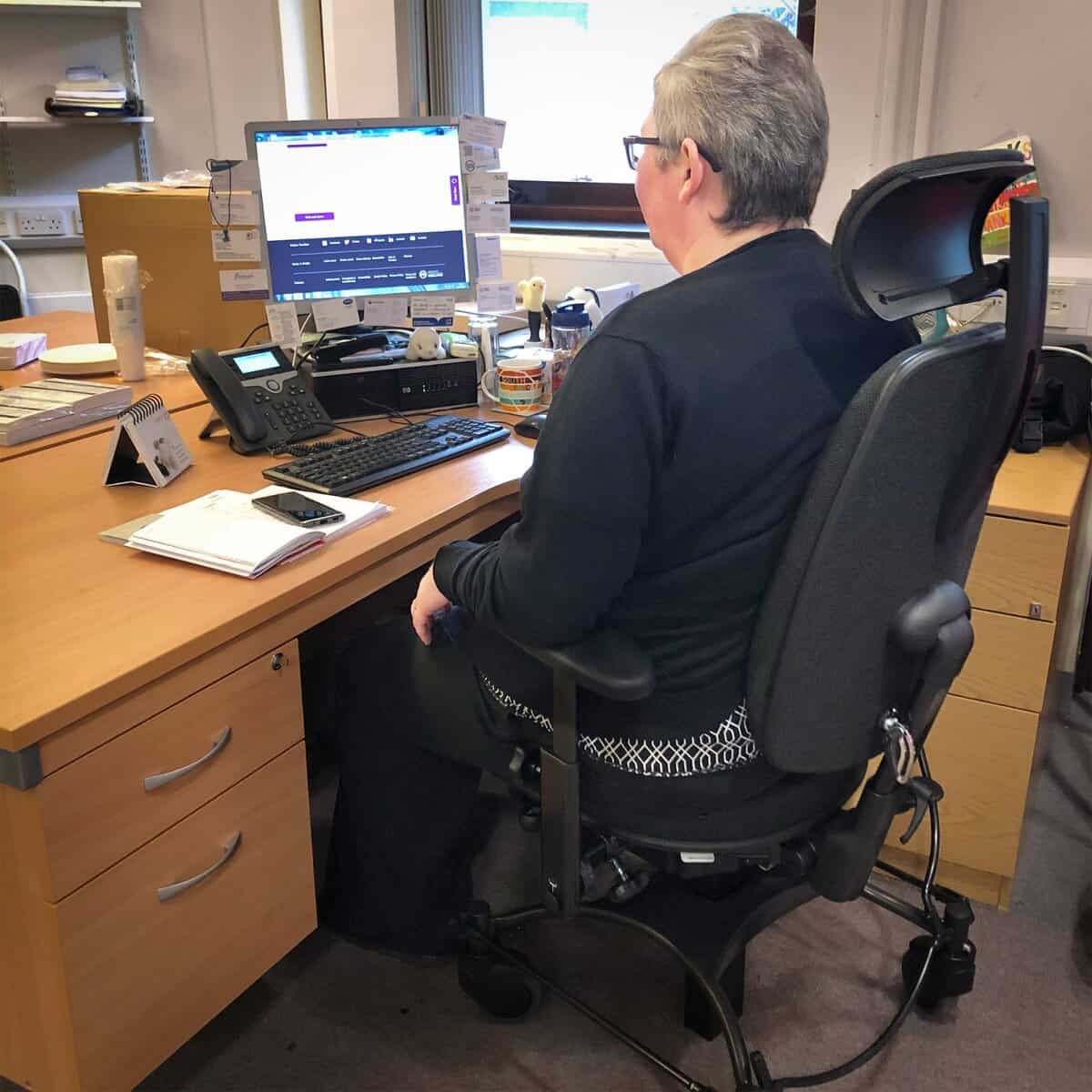
Home environments are also evolving, with smart systems using AI and IoT to automate lighting, climate, and monitor activity for early health alerts, enhancing both convenience and safety for seniors living independently (Channel Point Village, 2025). The VELA Independence Chair continues to support older adults by promoting safe and independent daily living alongside these technological enhancements.
Additionally, cognitive health aids, such as AI-driven brain health tools and reminder systems, are increasingly used to maintain mental acuity and reduce anxiety in seniors with cognitive decline (The Good Life SV, 2025). There is growing adoption of easy-to-use technology solutions, with a focus on supporting brain health, mobility, and home safety (Channel Point Village, 2025; Seniors Blue Book, 2025).
Emerging trends include the use of customized 3D-printed mobility aids, new biomaterials for improved comfort, and initial clinical successes with brain-computer interfaces—offering new pathways to independence for those with severe disabilities (iHealthcare Analyst, 2025). User participation in designing these tools, through co-creation models, is now recognized as key to effective adoption (J Med Internet Res., 2024).
Selecting the ideal independent living environment in Columbia involves considering costs, amenities, and personal preferences. With strong demand for senior housing in Columbia, making well-informed decisions is essential for finding communities that support seniors’ lifestyles and health needs. Trusted sources like RetirementLiving.com and SeniorLiving.org offer valuable guidance in this process.
In summary, independent living in Columbia, SC, provides a wide range of options to meet the needs of its senior population. Whether in search of luxury or affordability, communities are equipped to offer the safety, autonomy, and engagement seniors deserve in their golden years. These advances in assistive technology, integrated health monitoring, and smarter environments help ensure more seniors can age in place safely and confidently (Let’s Envision, 2025).
Exploring Alternatives to Nursing Homes
Staying independent at home is increasingly feasible through innovative solutions like the VELA Independence Chair and other recently developed AI-powered mobility aids, wearable health monitors, and smart home systems. These technologies enable early detection of health changes, safer mobility, and real-time support. Features such as a central brake for secure seating, electric height adjustability, and seamless maneuverability are now enhanced by intelligent sensor feedback and environmental adaptations, allowing seniors to manage daily tasks with safety and independence. This enhanced approach can delay or reduce the need for a transition to nursing home care, empowering seniors to retain control over their lives (INTCO Medical, 2025).
Sources: