

Updated September 2025: We have updated the article with recent advancements in AI-powered and smart assistive technologies, enhanced mobility aids featuring GPS and health monitoring, integration of telehealth, expanded community programs, and current trends shaping independent living for seniors in Detroit.
Independent Living in Detroit: Navigating Options for a Thriving Senior Lifestyle
Independent living in Detroit is an evolving landscape, reshaping to cater to an increasing senior demographic. According to the Detroit Area Agency on Aging, 19% of the area’s residents are over the age of 60, with many facing unique challenges, such as a 32% rate of ambulatory disabilities. This demographic trend is setting the stage for an increased demand for independent senior living solutions tailored to the city’s needs. As a result, Detroit is actively adapting its services to better support its aging population.
Detroit’s Independent Living Landscape: Options and Availability
Detroit offers a diverse range of independent living facilities, characterized by occupancy rates ranging from the mid-80% to low 90%, according to Plante Moran Living Forward. These residential options vary widely in terms of location, demographic distribution, and housing affordability. Seniors looking to downsize find the vibrant Midtown area appealing, where they can easily balance accessibility with community engagement.
The city’s housing market presents a patchwork of affordability. While Detroit’s median home value remains accessible compared to national standards, the disparity amongst neighborhoods is notable. Some areas offer premium living experiences at a higher cost, while others provide more budget-friendly alternatives. This spectrum ensures that all seniors, regardless of financial standing, can find suitable accommodation.
Financial Considerations for Independent Living in Detroit
The financial landscape of independent living in Detroit is shaped by several economic factors. NCHStats indicates that the average household income in Detroit stands at $54,054, with a median income for seniors at $35,596. These figures highlight the importance of financial assistance programs, such as those offered by Wayne County for subsidized housing. These programs are crucial for seniors striving to maintain their desired quality of life within their preferred neighborhoods.
A practical example involves a senior named Martha who utilizes Wayne County’s financial assistance to transition smoothly into an independent living community while balancing her fixed income. With Detroit’s economic forecast showing promising growth, seniors have a pathway to more accessible independent living options.
Navigating Detroit’s Independent Living Options with Mobility Challenges
Mobility challenges are a significant concern for many seniors transitioning to independent living. In Detroit, 32% of seniors report ambulatory disabilities, necessitating adaptive solutions to maintain independence. Community support programs and advancements in technology play a crucial role in this context, enhancing mobility and day-to-day functionality.
For instance, John, a Detroit resident, integrates community transit services and home modifications like stairlifts and customized kitchen setups. These adjustments allow him to continue living independently without compromising safety or convenience. Additionally, transportation options tailored for seniors with limited mobility ensure that the city remains navigable and inclusive.
Exploring Alternatives to Nursing Homes
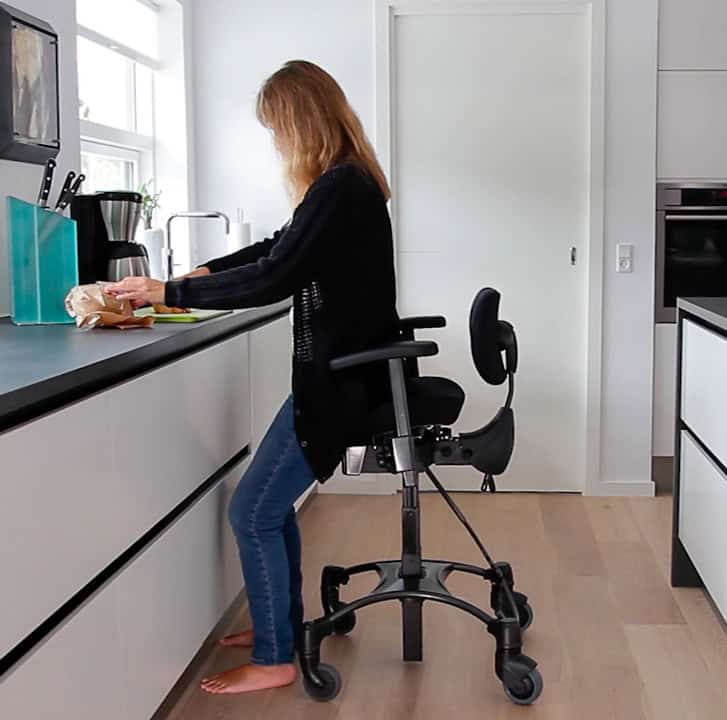
Mobility solutions such as mobility chairs that enhance independence are gaining recognition for their role in supporting seniors to age in place. The VELA Independence Chair, for example, offers features that specifically address the challenges faced by elderly individuals, including a central brake for safety, electric height adjustability, and ease of movement while seated. These traits empower users by providing them the dignity and safety needed to navigate daily tasks like cooking and relaxing without assistance, thereby delaying the potential need for a nursing home.
By integrating resources like VELA chairs, seniors experience a harmonious balance of freedom and security, making everyday life more manageable. These chairs are not just a convenience; they represent a thoughtful approach to extend the vitality and independence of seniors, ensuring caregivers have a more manageable load. While not the sole option available, VELA chairs are a practical choice in fostering a thriving independent lifestyle.
Recent Advancements and Trends Enhancing Independent Living
New developments since 2025 have introduced advanced assistive devices that are transforming independent living possibilities for seniors in Detroit. Smart wheelchairs now commonly include features such as GPS navigation, collision avoidance, real-time health monitoring, and app-based remote customization, all of which significantly enhance user autonomy and safety. These technologies are especially valuable for individuals with mobility and ambulatory disabilities, supporting both daily mobility and peace of mind through proactive safety measures.
Everything Medical Online
In addition to mobility aids, recent innovations showcased at leading conferences like CSUN 2025 have introduced real-time AI visual interpreting, gamified learning tools for sign language, and AI-driven personal assistants. These advancements provide effective, intuitive support across sensory disabilities, ensuring easier information access and greater independence for those with vision or hearing loss.
InnoCaption, LetsEnvision.com
Community programs in Michigan, such as the Michigan Assistive Technology Program (MATP), now offer free device demonstrations, equipment lending libraries, and individualized training to ensure technology meets everyday needs. These initiatives help bridge the gap for both high-tech and low-tech solutions, making independent living more accessible, particularly for those in underserved neighborhoods.
Michigan State University
Market trends reveal strong growth in areas such as wearable tech, brain-computer interface devices, and telehealth-integrated assistive platforms. Cloud-based service models and remote rehabilitation tools now empower seniors to manage health and care from the comfort of home, supporting independence even further. However, global demand and supply chain challenges, especially in disadvantaged regions, continue to highlight the need for comprehensive community and policy solutions.
The Business Research Company, ATscale and CHAI