

Updated September 2025: We have updated the article to include the latest advances in AI-driven assistive technologies, smart home IoT integrations, brain-computer interfaces, and wearable smart glasses that are reshaping independent living. We also address new global trends in accessibility, inclusive product design, and considerations for equitable access to assistive solutions.
Independent Living in Dover: A Comprehensive Guide
With the ever-growing senior population in Dover, Delaware, the demand for accommodating and convenient living options, such as independent living communities, is on the rise. The unique blend of autonomy and amenities offered by these communities not only attracts seniors looking to maintain their independence but also ensures comfort and accessibility in everyday life. According to Delaware Health and Social Services, Dover’s senior population (aged 60+) is projected to rise to 9,723 by 2025—a 78.8% increase since 2000. This substantial growth underscores the increasing need for options like independent living.
Understanding Independent Living Options in Dover
Independent living serves seniors who wish to enjoy autonomy while having access to essential services and amenities. These communities typically offer several options, such as dining facilities, housekeeping, recreational activities, and transportation, catering to self-reliant seniors. Unlike assisted living or nursing homes, independent living primarily focuses on a lifestyle that encourages personal freedom within a supportive environment.
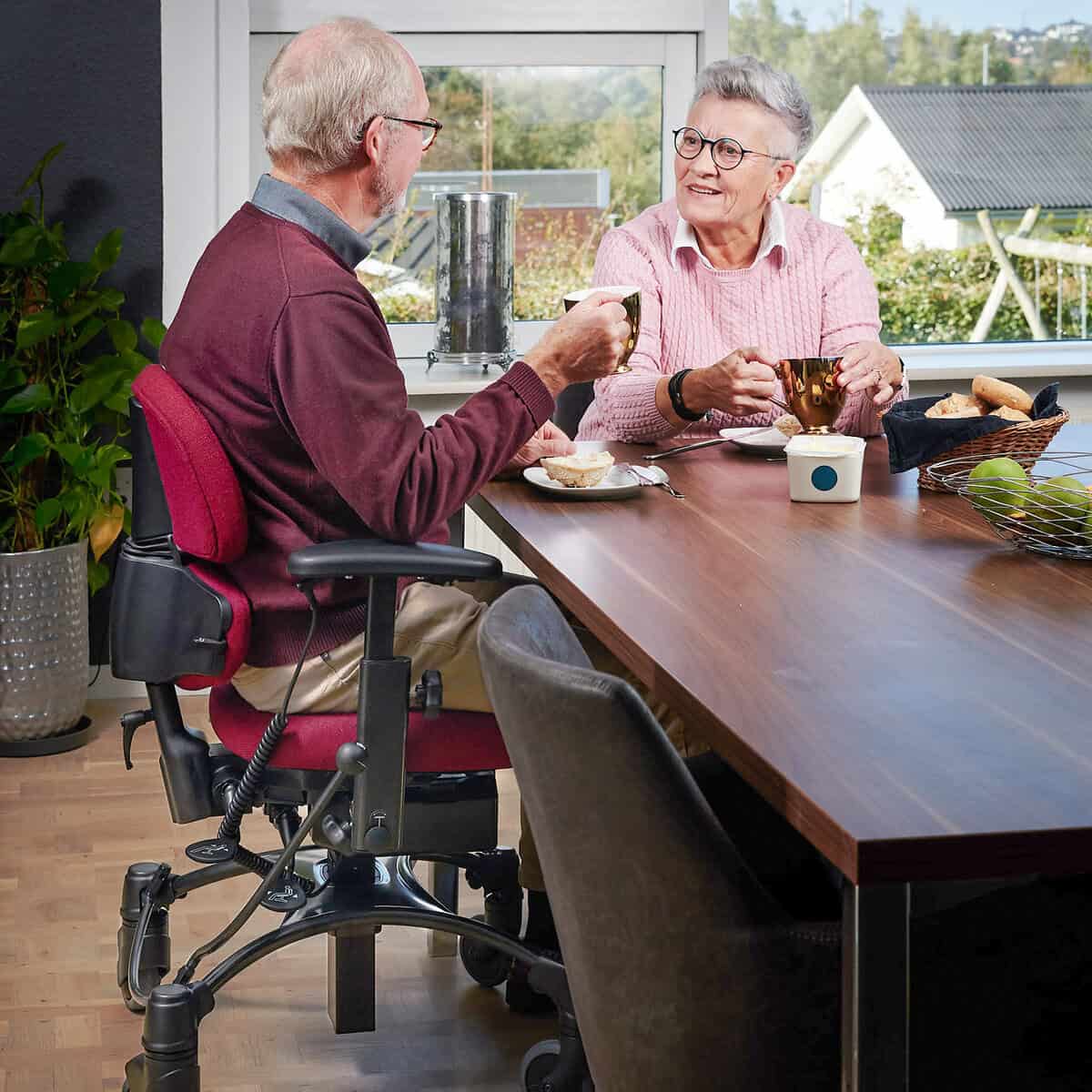
For instance, Westminster Village in Dover provides a vibrant community where residents can engage in activities ranging from fitness classes to arts and crafts, all within a supportive setting. Morning routines might include yoga followed by a leisurely breakfast with friends in the community dining room, showcasing the harmonious balance of independence and community support. According to A Place for Mom, these options are tailored to seniors looking for a cost-effective alternative while enjoying a rich, interactive lifestyle.
Financial Considerations: Cost Analysis of Independent Living
Dover’s independent living communities generally present an economical choice compared to more intensive care options. The average monthly cost for independent living in Dover is about $5,148, according to SeniorLiving.org, significantly more affordable than assisted living, which stands at $6,051, and substantial savings over a nursing home setup. This affordability provides financial relief while ensuring quality living conditions.
Financial planning is crucial when considering a move to independent living. For instance, a senior transitioning from homeownership might calculate potential savings from downsizing, thus offsetting monthly rental expenses in a community. The 2023 Assisted Living Report offers detailed insights into these costs, emphasizing the cost-effectiveness of independent living in comparison to higher levels of care.
Availability and Occupancy Rates in Dover’s Senior Communities
According to the 2022 Assisted Living Report, availability in Dover’s independent living communities is generally favorable, with key establishments like Brookdale Dover and Dover Place presenting varied occupancy rates. Brookdale Dover, for example, maintains an occupancy rate of around 61.9%, while Dover Place stands at 74.3%, indicating differing levels of demand and resident satisfaction.
Testimonials from current residents often highlight factors such as community environment and available amenities as crucial components of their satisfaction. For potential residents, securing a spot involves understanding these trends, helping them make informed decisions when choosing a community.
Next-generation technology for independent living
Recent developments in assistive technology have rapidly expanded the possibilities for independent living. The latest solutions now harness artificial intelligence (AI), Internet of Things (IoT), and wearable devices to deliver real-time, intuitive support for individuals with mobility, visual, or communication challenges. AI-powered assistants are evolving into context-aware companions, using natural language interaction to provide instant information and task support in daily life.[1] New smart glasses and voice-activated devices, such as AI-enabled Ray-Ban Meta glasses, empower users with instant scene descriptions and object recognition, enhancing navigation and engagement for those with low vision.[4]
Smart home technology is increasingly integrated into independent living environments. Voice-controlled lighting, thermostats, security systems, and automated doors enable greater autonomy and a safer home for seniors and people with mobility limitations.[2] These systems not only support daily routines but also offer personalized customization, adapting intelligently to changing user preferences or needs. Advances in brain-computer interfaces provide breakthrough possibilities, connecting brain signals directly to electronic devices, allowing those with severe paralysis to operate mobility equipment or communicate independently.[5]
Inclusive and ethical design is now central to assistive technology, as user feedback shapes the development of ergonomic, accessible, and bias-averse solutions. International accessibility standards, such as WCAG, continue to ensure equity even as AI-based tools proliferate. Personalized interfaces, adaptive environments, and seamless daily integration reflect the shift toward user-friendly, empowering solutions.[3] Global attention has also turned toward addressing the unmet demand for assistive devices, especially in lower-income regions, urging improved policy and supply-chain reforms to ensure access for all.
Enhancing independence with VELA mobility solutions and AI-driven tools
While nursing homes offer increased care, they can at times limit personal independence, underscoring the importance of solutions that allow seniors to remain in their own homes. Innovative approaches, like the VELA Independence Chair, offer older adults a means to sustain their daily routines safely and independently. As a medically approved mobility chair, VELA enriches life by providing enhanced safety and support for activities such as cooking, dressing, and transferring, all while easing the burden on caregivers. The new generation of AI-powered devices and assistive wearables now delivers on-demand, adaptive support to users at home or in the community, responding to individual routines and preferences.[5]
These evolving technologies foster environments where seniors can thrive with minimal outside help and maintain dignity, vitality, and independence for as long as possible. In Dover, independent living communities remain a compelling choice, combining autonomy, affordability, and social engagement while leveraging modern technology for support.
For further advice on making informed decisions regarding senior care, resources like SeniorLiving.org can provide additional guidance. Independent living in Dover not only represents financial prudence but also a rich, fulfilling lifestyle for those entering their golden years.
Sources
-
Envision’s future of AI-powered assistive technology overview (Dec 2024 / anticipatory for 2025)
https://www.letsenvision.com/blog/future-assistive-technology -
Top innovations presented at the CSUN Assistive Technology Conference 2025
https://www.innocaption.com/recentnews/top-5-assistive-technologies-csun-2025 -
Assistive Technology Outcomes and Benefits journal, ATIA Volume 19, Spring 2025
https://www.atia.org/wp-content/uploads/2025/06/ATOB-V19_Final.pdf -
First Aid for the Blind review on Meta Ray-Ban Smart Glasses with Live AI, Aug 2025
https://www.faftb.com/post/assistive-technology-roundup-august-2025-update -
2025 Assistive Products Market Report by ATscale and CHAI on global supply and demand challenges
https://www.clintonhealthaccess.org/report/chai-and-atscale-publish-the-2025-assistive-products-market-report/ -
Equal Accessibility: IoT and AI-powered smart home devices improving independent living for mobility-limited users
https://equalaccessibility.org/news/iot-assistive-smart-home-2025 -
Lumibility: World Assistive Technology Day 2025 advocacy highlighting the importance of access to assistive tools worldwide
https://www.lumibility.org/advocacy/world-assistive-technology-day-2025