

Updated January 2026: We have updated the article to reflect 2026 market trends in Fort Lauderdale’s independent living, including record occupancy rates above 90%, stabilized rent increases, greater use of smart wellness technology (such as fall detection and telehealth), facility renovations for inclusivity, and the growing appeal of personalized, autonomy-focused environments—especially for solo agers.
Discovering Independent Living Facilities in Fort Lauderdale
Fort Lauderdale’s radiant coastline and vibrant community make it a compelling destination for many seniors seeking a new phase of active retirement. With seniors comprising approximately 19.61% of the city’s population, which is significantly above the national average, the demand for specialized senior living solutions is evident. This article aims to guide you through the nuances of independent living facilities in Fort Lauderdale, ensuring that you or your loved ones find a community that thrives on autonomy and connection.
Understanding Independent Living vs. Other Senior Housing Options
Independent living facilities cater to seniors who cherish their independence but seek a community setting without the medical oversight found in assisted living or the round-the-clock care of a nursing home. Typical services include maintenance-free living with amenities such as dining services, housekeeping, and various social activities. According to SeniorLiving.org, medical and personal care services are generally not included, distinguishing these communities from more intensive care facilities.
Imagine a day in the life of a senior couple at an independent living community: They could start their day with a yoga class, dine with neighbors, and enjoy an evening social event. In contrast, an assisted living resident may require help with daily activities and medication management, highlighting the difference in care levels provided.
Navigating Fort Lauderdale’s Independent Living Scene
When exploring Fort Lauderdale’s independent living communities, consider the city’s unique offerings. Facilities such as Belmont Village Fort Lauderdale boast diverse amenities, from resort-style pools to daily fitness classes, ensuring residents enjoy a comprehensive lifestyle. Location is crucial—proximity to family, medical facilities, and community resources can greatly impact quality of life.
Recent trends in independent living highlight not only the increasing availability of luxury amenities but also significant advancements in assistive technology and wellness offerings. In 2026, independent living occupancy rates have surpassed 90% in the Fort Lauderdale region, reflecting strong demand but also increased competition and limited availability.
Modern facilities now prioritize personalization and the integration of smart technologies such as voice-activated assistants, real-time fall detection, and telehealth services. Wellness and lifestyle amenities—ranging from yoga classes to on-demand telemedicine—are commonplace. Design updates include inclusive, open-concept “main street” layouts that foster social engagement and reduce traditional nursing home stigmas, further appealing to residents who value freedom and community.
There is also a notable rise in “solo agers” choosing independent living, with services and social opportunities increasingly tailored for individuals seeking autonomy and personalized plans beyond traditional care categories.
Sources: Senior Housing News; NIC MAP; We Manage Houses
Consider a resident of Belmont Village who savors art classes and networking opportunities and benefits from the convenience of on-site medical visits. According to Care.com, these communities frequently offer transportation services, ensuring accessibility to local attractions and healthcare providers. Ultimately, selecting the right community should reflect personal preferences and lifestyle needs, which bolsters a resident’s independence and satisfaction.
Financial Planning for Independent Living in Fort Lauderdale
Transitioning to independent living involves both emotional and financial considerations. As noted by Seniorly, a common issue is underbudgeting, with many families underestimating costs by nearly 20%. Understanding the cost structures, which typically cover accommodation, meals, utilities, and some activities but not healthcare services, is essential.
In 2026, rent growth for independent living in Fort Lauderdale remains steady at over 4% annually, and the average monthly cost is around $4,024, driven by both high demand and limited new supply. The ongoing investment gap and increasing occupancy, especially with Fort Lauderdale’s strong per capita income growth, position this market as both highly attractive and competitive for seniors and investors alike. Families should factor these rising costs into their long-term planning and take advantage of financial assistance options as available.
Sources: A Place for Mom; Senior Housing News; NIC MAP; PwC/ULI
Recent changes in Florida’s housing policy, including House Bill 539 passed in 2025, have updated Medicaid community-based care eligibility to improve access for qualifying independent living residents. This makes financial assistance more readily available and helps better target supportive services for seniors living independently.
Source: Florida Senate Bill Analyses (2025): CS/HB 539
Financial assistance programs and comprehensive budgeting can alleviate costs. A testimonial could illustrate how a family successfully navigated this process, underlining the importance of accounting for future expenses and exploring long-term payment options such as insurance benefits and veteran aid, which are critical steps to ensuring sustainable financial planning.
Transitioning to Independent Living
The transition to independent living is a significant life change that often requires downsizing and emotional adjustments. According to Evolving Demographics, strategic planning, involving sorting personal belongings and deciding on essentials, is key. Starting with family discussions ensures everyone is aligned and supportive, which eases the process.
Hybrid tele-rehabilitation, now available in many communities, helps ease this transition by allowing for continuous physical and occupational therapy both in-person and remotely. This supports both physical well-being and emotional adjustment, aligning with the latest clinical recommendations for elder care.
Source: PubMed and Harvard University, post-May 2025 clinical studies
Imagine a senior transitioning from a long-time home to a vibrant community. Early involvement in planning and establishing a clear timeline can transform the move into an exciting new chapter, supported by insights from experts recommending strong networks and community integration.
Supporting Aging in Place: A Practical Option
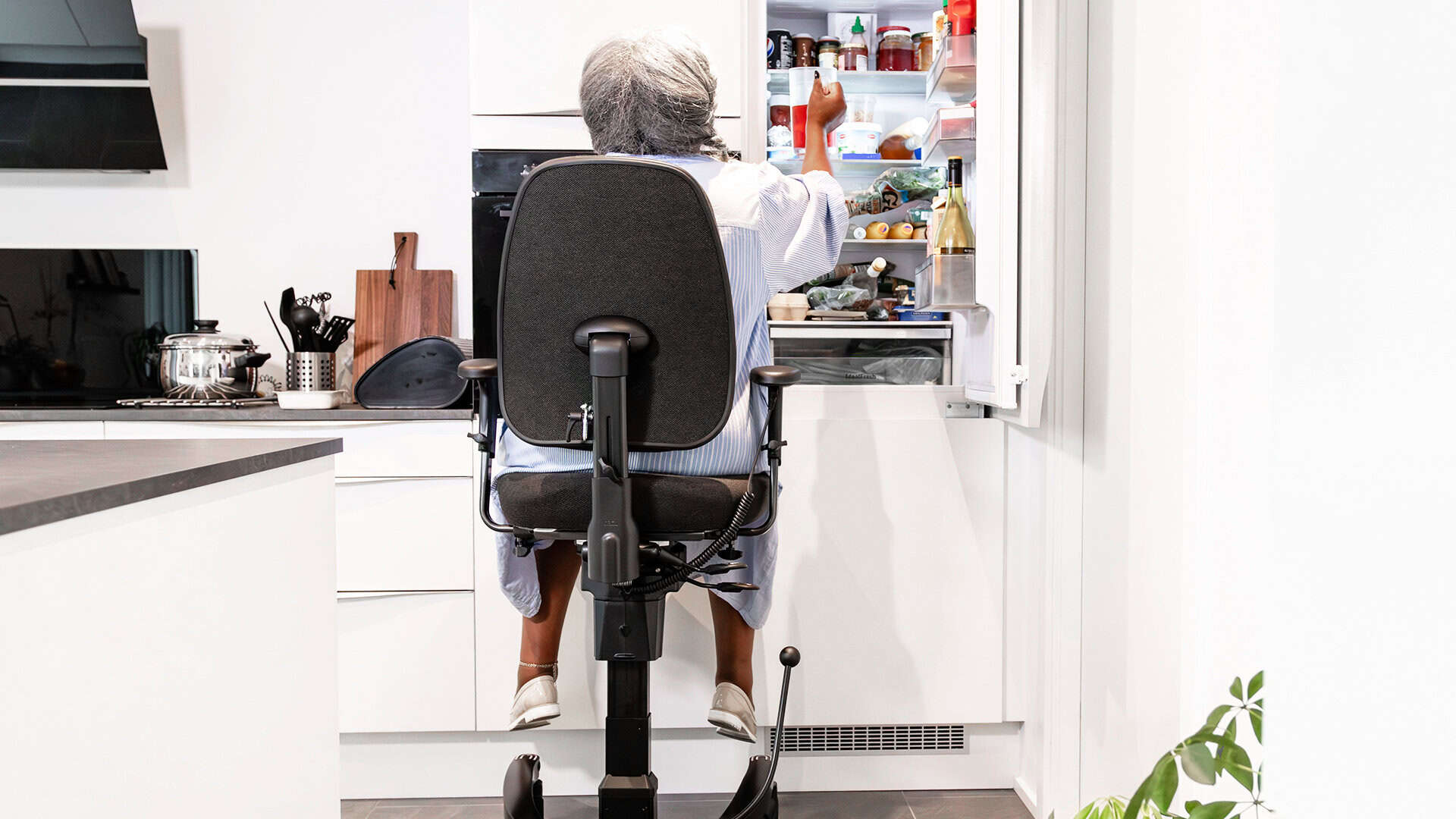
With many seniors valuing independence, solutions like the VELA Chair play a vital role in extending the time one can remain safely at home. The VELA Chair is equipped with features such as a central brake for added safety, electric height adjustability, and ease of movement while seated. These attributes are particularly beneficial in preventing falls and easing transitions, such as standing up or moving between rooms. By saving energy and enhancing mobility, the chair supports dignity and autonomy, allowing individuals to engage in everyday tasks like cooking or relaxation more comfortably. While not the only solution, the VELA Chair represents a proven, practical means of reducing the likelihood of transitioning to a nursing home. Learn more about Mobility Chairs for Independent Living that help empower independence, and discover how they can enhance quality of life at home.
Choosing the right independent living facility in Fort Lauderdale requires careful thought and evaluation of personal needs and preferences. By understanding senior housing distinctions, navigating local options, planning financially, and ensuring a smooth transition, families can achieve peace of mind and find a vibrant community for their loved ones.
Florida’s House Bill 223 (2025) has empowered residents in independent living settings to install non-rotatable electronic monitoring devices in their personal spaces, supporting safety and transparency. This legal advancement balances resident autonomy with privacy, and is designed to provide peace of mind for residents and their families alike. Additionally, updated assisted living facility regulations, such as those established by CS/HB 493 in 2025, are encouraging independent living designs to incorporate seamless support for residents who may later require higher levels of care. These legislative measures are helping shape a safer, more resident-centered senior living landscape.
Sources: Florida Senate Bill Analyses (2025): CS/HB 223 and CS/HB 493
Drawing from resources such as AHCA and SeniorsHousingBusiness.com report on Mount Hermon affordable senior apartments (2025), it’s crucial to remain informed and proactive in decision-making to ensure the chosen community fosters independence and enriching experiences tailored to the senior’s lifestyle.
Emerging trends and new developments in independent living facilities underscore the growing importance of technology, ergonomic design, and wellness-oriented programs in supporting seniors. Staying updated with facility offerings, regulatory changes, and industry advancements will help families and individuals make choices that best support independence and quality of life in Fort Lauderdale. For further reading, consider sources that cover technology-enabled senior living, updated regularly by industry experts.
Additional sources: Senior Housing News: Top Senior Living Trends for 2026; NIC MAP: Senior Housing Key Trends; We Manage Houses: Senior Housing in Florida; A Place for Mom; PwC/ULI 2026 Trends