

Updated January 2026: We have updated the article to reflect new Michigan Supreme Court rulings on liability and safety standards for independent living facilities, the latest 2026 assistive technology innovations (including AI-powered wheelchairs and accessibility tools from CES 2026), changes in state and federal funding and regulations, as well as information about relevant upcoming assistive technology events.
Independent Living Facilities in Michigan: Navigating Opportunities for Seniors
Michigan’s aging population is transforming the landscape of senior living in the state. As the demand for independent living facilities increases, Michigan’s unique demographic trends and economic projections make it a key area of interest for seniors and their families. The state’s median age rose to 40.3 in 2022, reflecting a significant senior demographic in cities such as Highland Park and Grosse Pointe, where seniors constitute up to 22% of the population. According to the Michigan Department of Health and Human Services, this trend is projected to further drive the growth of Michigan’s Retirement Communities industry to $2.5 billion by 2025.
Exploring the Demographic Landscape of Seniors in Michigan
Michigan’s senior population is growing faster than other Midwest states, prominently due to the baby boomer generation. This growth necessitates a deeper understanding of how residential communities are adapting. In Grosse Pointe, for instance, a senior community has implemented comprehensive adjustments to its facilities and services to accommodate an increasing number of elderly residents. These adaptations include more accessible living units and increased social programs, ensuring seniors remain active and engaged. Such changes are essential as communities across the state look to meet the evolving needs of this vital population segment.
Navigating Costs and Occupancy Rates in Michigan’s Independent Living Facilities
When considering independent living options, cost is a primary factor for many families. In Michigan, the projected national median cost for independent living facilities is expected to reach $3,145 per month by 2025, according to A Place for Mom. Michigan’s rates remain competitive, offering a more affordable solution for many. State median costs for independent living range from $2,250 to $5,650 monthly, which vary depending on the level of amenities and care provided.
Despite positive price positioning, occupancy trends in Midwest states like Michigan have been recovering steadily post-pandemic, yet still trail slightly behind national averages. According to McKnight’s Senior Living, the recovery is driven by the renewed interest in safer, community-oriented living arrangements, with families continuously seeking the best options for their loved ones. For example, a Detroit family recently navigated the complex process of selecting an independent living facility, ultimately choosing a community based on cost, proximity, and the availability of comprehensive healthcare services.
Enhancing Independent Living with Michigan’s Home Help and Respite Programs
Michigan’s Home Help program plays a crucial role for those who prefer aging in place over transitioning into institutional settings. This initiative provides essential services to support independent living, including community referrals, adult protection services, and resources for financial management. Through personalized care plans, seniors can maintain their independence while enjoying the support necessary to live safely at home.
Additionally, the state’s Respite Care Support Grant, available until September 2025, offers considerable relief to caregivers. This program enables individuals caring for senior family members to receive temporary support, alleviating stress and enabling breaks that can restore balance and energy. An example of this is a caregiver in Kalamazoo who utilized the respite care grant to manage her mother’s care and explore new care delivery options through Michigan’s services.
Advancements in Assistive Technologies and Inclusive Design
The latest innovations in assistive technologies are rapidly transforming independent living for seniors and people with disabilities in Michigan. The 2026 CES saw notable announcements for AI-powered wheelchair attachments such as WheelMove (offering up to 25 km range and compatibility with manual chairs for quick installation), the MaaS-Bridge AI enabling accessible connections in autonomous transportation, SEERU systems for improved traffic awareness for the mobility and hearing impaired, and XSTO all-terrain AI power chairs capable of climbing stairs.
Robotic exoskeletons are now being deployed in rehabilitation and independent living settings, enabling improved mobility for users with paralysis or significant motor impairments. AI smart glasses and devices assist those with visual or hearing impairments by providing navigation and awareness support, and smart home controls are increasingly accessible through adaptive switches such as sip-and-puff systems.
Recent trends stress the importance of modular designs, shared control interfaces for safety and adaptability, and enhanced sensory feedback for users. These advances allow customization to individual needs and improved integration into daily life. While challenges such as device cost, training, and weight are ongoing, greater inclusion of these technologies is being reported in Michigan’s independent living communities. Notable trends also include clinical research on AI and brain-computer interfaces assisting people with spinal injuries and adoption of best practices for inclusive rehabilitation.
For more on these advancements, see sources below:
- CES 2026 Assistive Technology Exhibitors
- KeyWay Medical
- Think Beyond the Chair
- Equal Accessibility LLC
- PMC
Regulatory Updates and Accessibility Standards in Michigan
Recent rulings by the Michigan Supreme Court expand liability for independent living facilities, particularly those marketed to seniors, stressing the obligation to design and operate with consideration for senior-specific risks like cognitive impairments. Even though Michigan does not license “independent living” as a care setting, the lack of licensure does not exempt such providers from major safety and common-law duties. The Court’s decision warns that facilities may be liable for failing to implement appropriate safeguards, such as secured entry for residents with dementia, even if their official status is unlicensed.
Consumers should be aware that “independent living” can be a marketing label and may differ in oversight level from “homes for the aged” or adult foster care facilities, which are regulated and subject to annual inspections. Confusion between these categories can lead to gaps in safety and expectations.
Federal regulatory updates also impact the landscape: the Centers for Medicare & Medicaid Services (CMS) FY 2026 final rule increased skilled nursing facility per-diem rates by 3.4%, potentially affecting funding dynamics for adjacent sectors such as independent living.
The Michigan State Plan for Independent Living continues to advocate for community involvement and accessibility. Facility standards require barrier-free entryways, compliant doors, and integration of smart technology to support varied user needs, following best practices from state and federal guidance. Updated Medicaid and housing eligibility requirements reflect the policy shift towards individualized supports in non-licensed settings.
For further guidance, refer to:
- Michigan Supreme Court implications for independent living facilities
- Michigan senior care licensing
- A Place for Mom
- State of Michigan Licensing
- Michigan State Independent Living Council
- CMS FY 2026 Final Rule for Skilled Nursing Facilities
Upcoming Events and Education in Assistive Technology
Michigan residents and professionals interested in the latest in assistive innovation can benefit from national and regional events in 2026. The Duquesne University Assistive Technology Conference (March 26) and the University of South Carolina Assistive Technology Expo (March 10) both focus on equitable mobility, independence, and mainstream adoption of emerging solutions. These conferences present opportunities to explore developments in AI-powered aids, practical rehabilitation tools, and accessible design for the aging population.
For event details:
- Duquesne University Assistive Technology Conference 2026
- University of South Carolina 2026 Assistive Technology Expo
Empowering Seniors with VELA Mobility Solutions
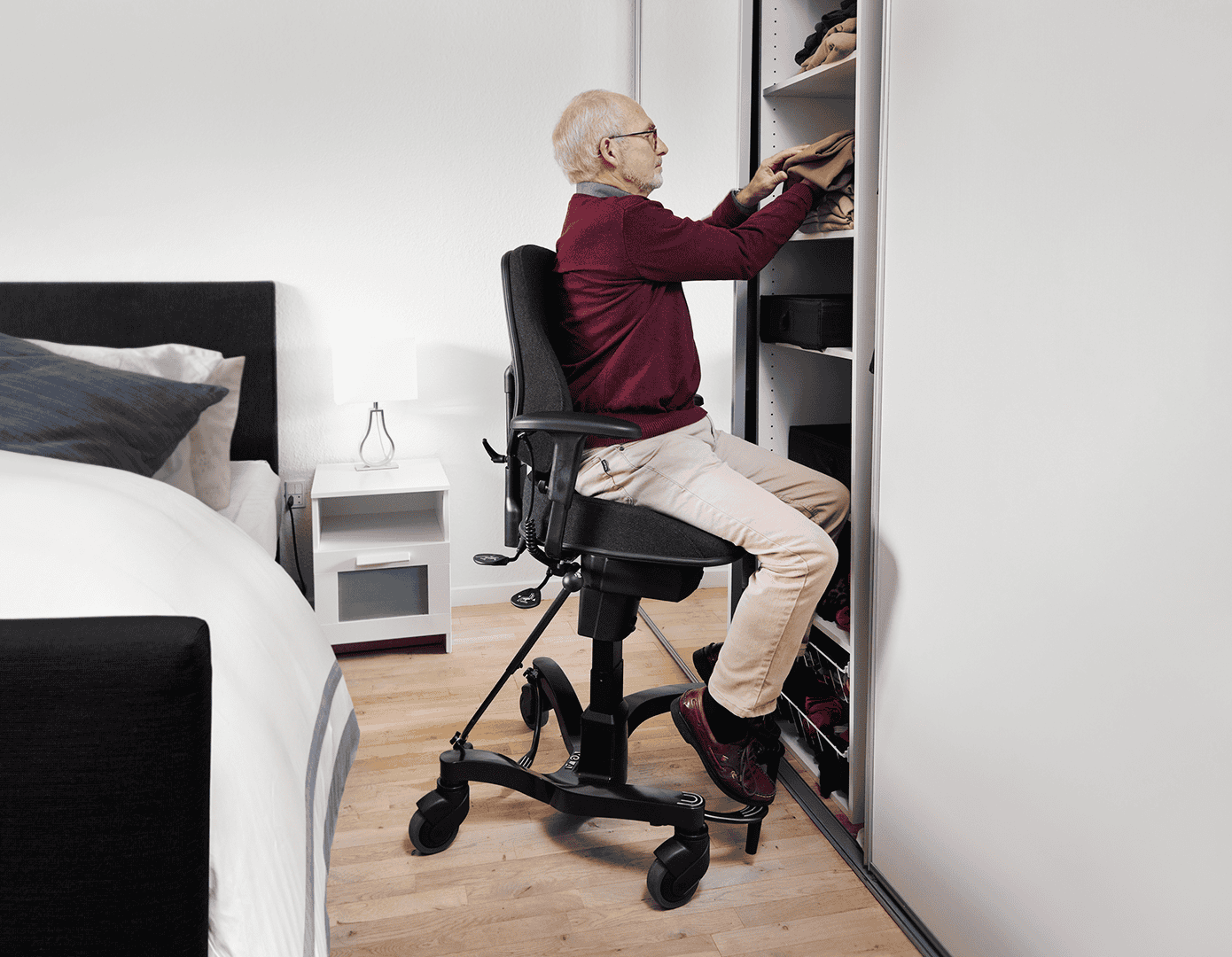
As families and seniors navigate the challenges associated with nursing homes, including constraints on personal freedom and high costs, many look for alternatives that allow older adults to remain in their familiar environments. Solutions such as the VELA Independence Chair address these needs by enhancing safety and mobility at home. This medically approved mobility chair is designed specifically for home use, offering enhanced safety, freedom of movement while seated, and support for daily activities such as cooking, dressing, or transferring. By reducing the physical demands on informal caregivers, VELA chairs empower seniors to maintain their independence with dignity and ease.
How Mobility Solutions Like VELA Make a Difference
Mobility solutions such as the VELA Independence Chair are transforming how seniors can stay independent longer in their homes. With features that prioritize safety, such as a central brake, and offer adaptability through electric height adjustability, these chairs facilitate effortless transfers and movements. This can significantly delay the transition to a nursing home by providing the necessary support for everyday tasks like cooking and cleaning. Imagine the difference: with a VELA chair, a senior can safely and comfortably move around the kitchen to prepare meals, or adjust the seat height while dressing, preserving energy and ensuring freedom. These enhancements not only support the daily lives of seniors but also reduce the burden on caregivers, fostering a safe and dignified home environment. While VELA is one proven solution, it illustrates the positive impact that smart seating can have on aging in place.
Explore more about enhancing mobility solutions like Independence with VELA Chairs to see how they can play a role in maintaining autonomy and safety for seniors in their homes.