

Updated January 2026: We have updated the article to highlight new advances in AI and IoT-enabled assistive technologies for independent living, including sensor-based mobility aids, telehealth and smart home integration, exoskeletons for severe impairments, predictive fall prevention, nanotechnology in device materials, and changes in insurance coverage and caregiver training for hyper-personalized care.
Independent Living Goals: A Comprehensive Guide
Living independently is not just about having a roof over one’s head; it’s about the power to wield choice and retain control over one’s life decisions. This is especially vital for seniors and individuals with disabilities as it addresses their unique desires for autonomy and aging with dignity. According to the Department of Rehabilitation, “Independent Living means people with disabilities and seniors have the right to live as independently as they choose,” emphasizing the importance of personal decision-making and self-determination.
Defining Personal Independent Living Goals and Priorities
Independent living goals are inherently personal, uniquely tailored by individual needs, preferences, and priorities. For seniors, this might mean aging in place, such as choosing to remain in their family home while making necessary modifications, like installing ramps and grab bars, to enhance mobility and safety. These goals can differ significantly for individuals with disabilities, with an aim to maximize self-sufficiency and achieve personal milestones. According to the Legacy of St. Michael, “independent living communities empower seniors to maintain an active lifestyle,” by prioritizing wellness, connection, and fulfillment.
A rich array of real-life experiences illustrates how community resources bolster independence. For instance, many elderly individuals utilize local support groups and engage with community services to sustain their independent living arrangements. Betty, a vibrant 78-year-old from Seattle, pictured her dream: becoming a watercolorist. By participating in twice-weekly art classes at a local senior center, she cultivates her skill while maintaining social bonds — a true testament to the power of resourceful independent living.
Environmental Modifications That Support Independence
Creating an environment conducive to independent living requires thoughtful design and adaptation. The physical space, whether a home or independent living community, must promote autonomy and mobility. Key modifications include installing grab bars, ramps, and widening doorways to ensure safe and unfettered movement. For example, John from Albuquerque opted for a stairlift installation after considering both mobility challenges and budget constraints. These adjustments made his multistory home accessible, helping maintain his independence.
Transitioning from a high-maintenance home to an independent living community is sometimes the ideal solution. CarePatrol Canada elaborates that “these communities offer essential hospitality services and supportive environments necessary for maintaining independence,” highlighting the significance of community and livability.
Assistive technology innovations supporting independent living
Recent advancements have transformed options for independent living through the integration of artificial intelligence (AI), Internet of Things (IoT) connectivity, and sensor-based monitoring in assistive devices. Modern mobility aids such as wheelchairs, walkers, and exoskeletons feature smart sensors, fall detection, autonomous terrain adjustment, and even voice-activated controls, allowing for real-time adaptation to user needs and environments iHealthcareAnalystUCLA Health.
AI-driven analytics now enable personalized health insights and proactive caregiver alerts, reducing fall risk and supporting more independent living. Sensor-equipped grab bars, pressure-sensor floor mats, and ambient monitoring systems with AI can identify falls or near misses without users needing to wear a device. Smart home compatibility is increasingly common, connecting mobility aids and medical equipment to larger home ecosystems for seamless control of lights, doors, and environmental settings iHealthcareAnalystUCLA HealthAgeInPlaceTech.
Wearable robotics, including exoskeletons and compact foldable devices for travel, have gained clinical traction, especially for individuals with severe impairments. Some models leverage nanotechnology for enhanced self-repairing properties, improving long-term reliability and safety iHealthcareAnalyst.
Wearable health devices continue to evolve with new sensor arrays for continuous tracking of vital signs, fall detection, sleep patterns, and remote monitoring. These devices empower users to manage chronic conditions such as Parkinson’s disease more effectively, and integration with telehealth platforms connects individuals directly to their care teams through secure data sharing for faster interventions and optimally personalized care iHealthcareAnalystUCLA Health.
User interfaces for assistive technology now include multimodal options such as voice, gesture, and adaptive AI-driven conversational systems, enabling those with differing abilities to interact comfortably and intuitively with their devices AgeInPlaceTech. Cognitive engagement is also promoted through AI-enabled voice assistants, supporting both practical needs and socialization for seniors living alone.
Policy shifts and expanded insurance coverage are making AI-enabled and connected durable medical equipment (DME) more accessible. Training for caregivers is evolving to include oversight and support for AI tools and remote monitoring, reducing the burden on both professional and informal caregivers UCLA HealthAgeInPlaceTech.
Design trends now prioritize ergonomic, customizable, and adaptive solutions. Self-adapting, pressure-relieving materials are being used in wheelchairs and mattresses, while brain-computer interfaces and AI smart glasses represent new frontiers for those with advanced mobility limitations iHealthcareAnalystAgeInPlaceTech.
Building Essential Life Skills for Independent Living
Achieving independent living goals involves more than environmental tweaks; it requires cultivating essential life skills. Skills such as financial management, personal care, and community engagement are critical. For individuals with disabilities, attending workshops and training enhances these capabilities significantly, allowing them to lead fulfilling lives.
Community events are vital for engagement. Participating in local activities and social gatherings keeps seniors connected and prevents isolation. Adulting Made Easy LLC suggests, “structured approaches to developing daily living skills” are integral to achieving these aims. For instance, Mara, living in a retirement community, found joy and increased confidence in attending financial literacy workshops, equipping her to manage her expenses independently.
Cognitive and mental health support technologies now include AI-driven brain training applications and intelligent social interaction tools that promote mental well-being. Music therapy programs and conversational AI platforms have been shown to reduce anxiety and improve cognitive function, especially for seniors with dementia or those living alone TheGoodLifeSV.comAgeInPlaceTech.
Clinical support: Telemedicine and remote monitoring
Telemedicine and remote patient monitoring now form the backbone of modern senior care, fully integrating wearable and ambient sensors with smart devices. Real-time data-sharing platforms connect users, caregivers, and healthcare providers for enhanced early intervention and comprehensive care management. Smart home compatibility allows for streamlined communication, and vital sign tracking can be integrated into daily living spaces for unobtrusive observation and safety iHealthcareAnalystUCLA HealthAgeInPlaceTech.
Evolving regulations and insurance programs increasingly support telehealth-enabled devices and connected DME, with greater emphasis on caregiver education and end-user digital literacy as key components for successful adoption and privacy protection.
User-centered and ergonomic product design
Product development in assistive technology now emphasizes user participation and evidence-driven design, incorporating feedback from seniors and individuals with disabilities throughout the process. Ergonomic enhancements and hyper-personalized care plans—guided by AI analytics—are now standard, addressing comfort, safety, and independence. Self-adapting materials and predictive risk algorithms inform day-to-day adjustments, while mainstream electronics are increasingly designed with built-in accessibility features to bridge the gap between assistive and commercial products iHealthcareAnalystUCLA HealthAgeInPlaceTech.
Supporting Aging in Place: A Practical Option
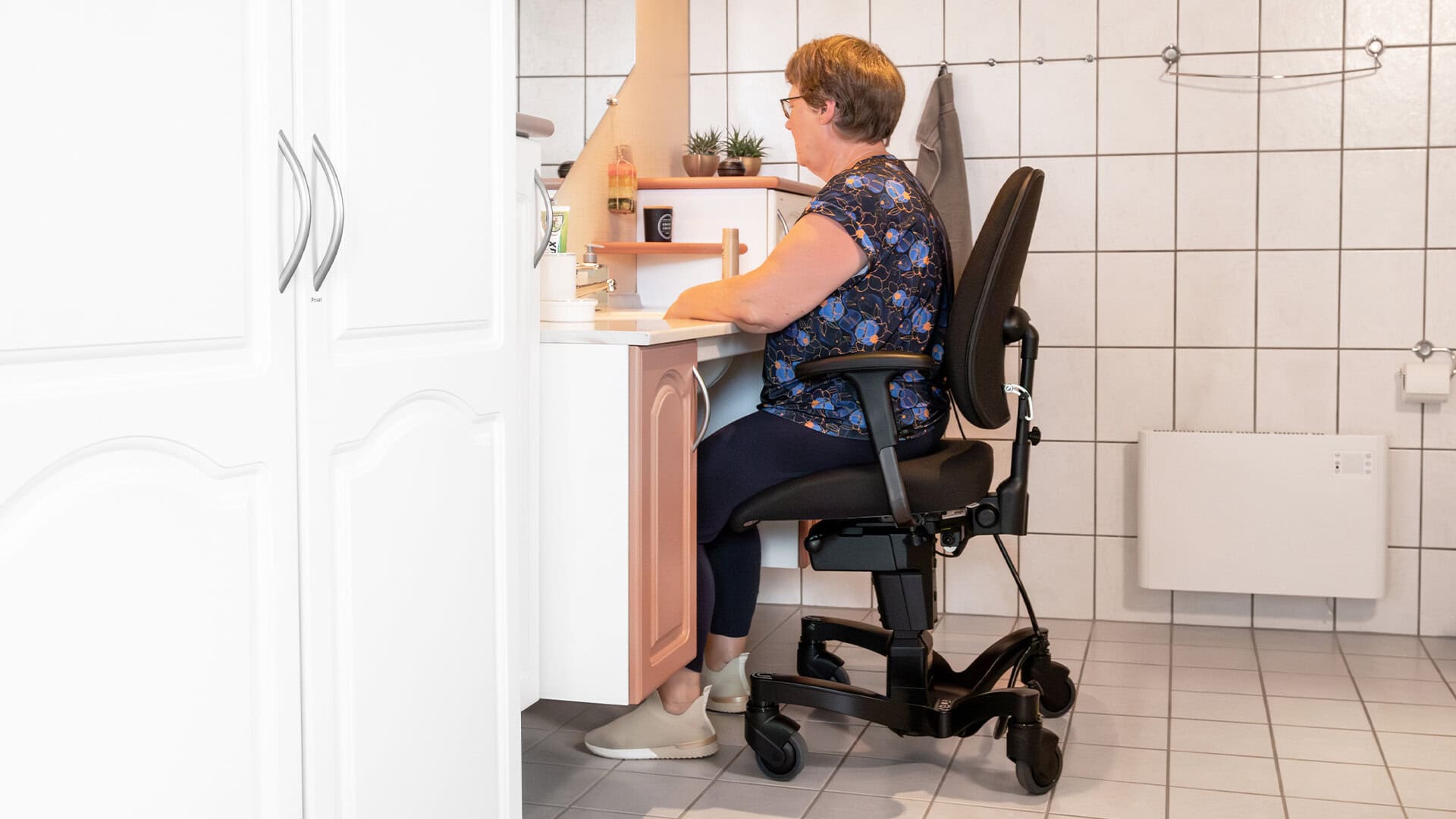
Living independently at home remains a priority for many older adults. Mobility solutions like VELA Chairs offer tangible benefits, aiding people to maintain their autonomy longer within their homes. Important features of the VELA Chair, such as a central brake for enhanced safety and electric height adjustability for ease of movement while seated, directly address issues of energy conservation and safety. These solutions can delay the need for nursing home care by ensuring that daily activities such as cooking and cleaning remain manageable. The presence of a VELA Chair can notably change one’s daily life experience, providing significant values like dignity, freedom, and energy-saving, making everyday tasks less daunting. While VELA is just one of many options available, examining it through a lens of independence and mobility reveals its effectiveness in supporting aging in place efficiently. This practical approach affirms that an empowered and independent lifestyle is indeed within reach for many seniors, helping them to live confidently and independently.
References
- Cyces.co: “AgeTech Trends 2025: AI, Robotics & the Future of Aging” (2025-01-01)
- MyCareConcierge.org: “How Technology will Transform Senior Care in 2025” (2025-02-24)
- Number Analytics: “Empowering Seniors with Assistive Tech” (2025-06-25)
- TheGoodLifeSV.com: “2025 AgeTech Showcases the Latest Technology for Seniors” (2025-03-01)
- SeniorsBlueBook.com: “A Guide to Useful Technology for Older Adults in 2025” (2025-01-10)
- AskSAMIE.com: “Innovative Assistive Technology For Seniors in 2025” (2023-12-11)
- ButterflyMX: “Senior Living Technology Trends 2025” (2025)
- Cognitive Market Research: “Assistive Technology Market Report 2025” (2025)
- NextMSC: “Disabled and Elderly Assistive Device Market 2025–2030” (2025)
- Aging and Health Technology Watch: “Market Overview 2025” (2025)
- Market.us Media: “Assistive Technology Statistics 2025” (2025)
- Geriatric Assistive Devices Market: Trends, Technologies & Outlook (2025-12-01)
- Aging-in-place technology: Making it easier to stay at home (UCLA Health) (2025-11-20)
- AI and Older Adults — What’s Now and Next in 2026 (AgeInPlaceTech) (2026-01-10)