

Updated January 2026: We have updated the article with the latest trends in assistive technology, including AI-integrated mobility aids, sensor-driven fall detection, voice-activated controls, telehealth connectivity, smart home safety devices, personalized health coaching, and wearable sensors, enhancing independent living and senior safety in Keene.
Independent Living in Keene: A Comprehensive Exploration
Choosing the right independent living option is pivotal for seniors wanting a rewarding lifestyle in their golden years. For those considering independent living in Keene, NH, the city offers diverse living environments tailored to the needs of older adults. According to U.S. Census Bureau QuickFacts, 17.85% of Keene’s population is aged 65 and older, highlighting the city’s senior-friendly atmosphere. Let’s delve into what makes Keene an attractive destination for retirees.
Understanding Independent Living in Keene: What Sets It Apart?
Independent living communities are designed for older adults who remain self-sufficient but desire companionship, security, and amenities, as described by Medicare.gov. Keene’s demographic is characterized by a significant senior population, which drives demand for facilities equipped to ensure healthy aging. Seniors in this area typically seek low-maintenance lifestyles enriched with social opportunities. The NH Department of Health and Human Services notes New Hampshire’s robust support network as a key factor in enhancing the well-being of its senior residents.
Demographics and Health Profiles: Who Chooses Independent Living?
The senior population in Keene primarily consists of individuals in their 60s and 70s, with many experiencing common conditions such as arthritis and hypertension, which can impact mobility. According to SeniorLiving.org, this emphasizes the importance of low-maintenance, accessible living environments that support these needs. Increasingly, advances in assistive technologies—such as AI-driven exoskeletons or smart prosthetics—are further assisting seniors with mobility, contributing to safer and more vibrant lifestyles.[1]
Leading Independent Living Communities: Features, Costs, and User Experiences
In Keene, notable independent living communities include Bentley Commons and Langdon Place, known for their extensive amenities such as dining options, fitness centers, and transportation services.
- Bentley Commons at Keene offers a vibrant community atmosphere with various on-site services that promote residents’ autonomy and safety. User reviews frequently highlight the supportive staff and a strong sense of community, as noted by SeniorAdvice.com.
- Langdon Place of Keene is lauded for its comprehensive services, therapy options, and social activities that significantly boost residents’ social and health well-being. Further insights can be found at RetirementCommunity.com.
Costs for these communities vary, with median monthly rents for senior apartments generally ranging from $1,200 to $2,800, reflecting the level of amenities and services provided. Residents often share that the benefits of enhanced autonomy and responsible care justify these costs, contributing to their overall satisfaction and quality of life.
Key State Regulations for Independent and Assisted Living in New Hampshire
New Hampshire enforces strict regulations to ensure quality and safety in independent living facilities. According to the NH Code of Administrative Rules, these standards encompass staff qualifications, facility safety, and accessibility measures. These regulations safeguard residents’ welfare and elevate the standard of care, making these facilities desirable choices for seniors prioritizing safety and high-quality service.
Enhancing Independence: Innovations in Mobility, Safety, and Assistive Technology
While independent living facilities offer a myriad of advantages, maintaining independence at home remains a strong desire among seniors. The newest developments in technology now bring AI and sensor integration to mobility aids, including smart walkers and wheelchairs equipped with fall detection, GPS, terrain adaptation, and even hands-free, voice-activated controls.[4] Advanced robotic exoskeletons designed for gait support and wearable sensors capable of tracking vitals, activity, and sleep are increasingly available, allowing for proactive health monitoring and reduced risk of falls.[1] Bathroom safety has also seen innovation, with sensor-equipped grab bars and smart devices providing additional layers of protection.[5]
Recent assistive devices utilize AI to personalize both mobility and cognitive support. Smart wheelchairs, AI health coaching, and virtual assistants adapt to user routines, helping with daily scheduling and memory support. These advances also support safety via IoT-enabled telehealth monitoring, empowering seniors and lessening the burden on caregivers by allowing remote monitoring and quick response to incidents.[7] This proactive approach has become vital for those managing chronic conditions or preferring to age in place, as it reduces hospital visits and increases autonomy.[5]
Smart home sensor systems—such as integrated smoke, carbon monoxide detectors, and medication reminders—are also being adopted more widely, quickly detecting hazards and supporting holistic health at home. Remote monitoring and digital connectivity tools facilitate social engagement and reduce isolation, rounding out modern best practices in independent living.[7]
User-centered design remains vital, with caregivers and seniors involved in shaping new technologies to maximize usability and comfort. Digital literacy programs are increasingly part of community offerings, ensuring accessibility for all residents. Addressing ethical and privacy issues ensures that technological benefits are delivered safely and equitably.[4]
How VELA Chairs and Modern Mobility Aids Empower Independent Living
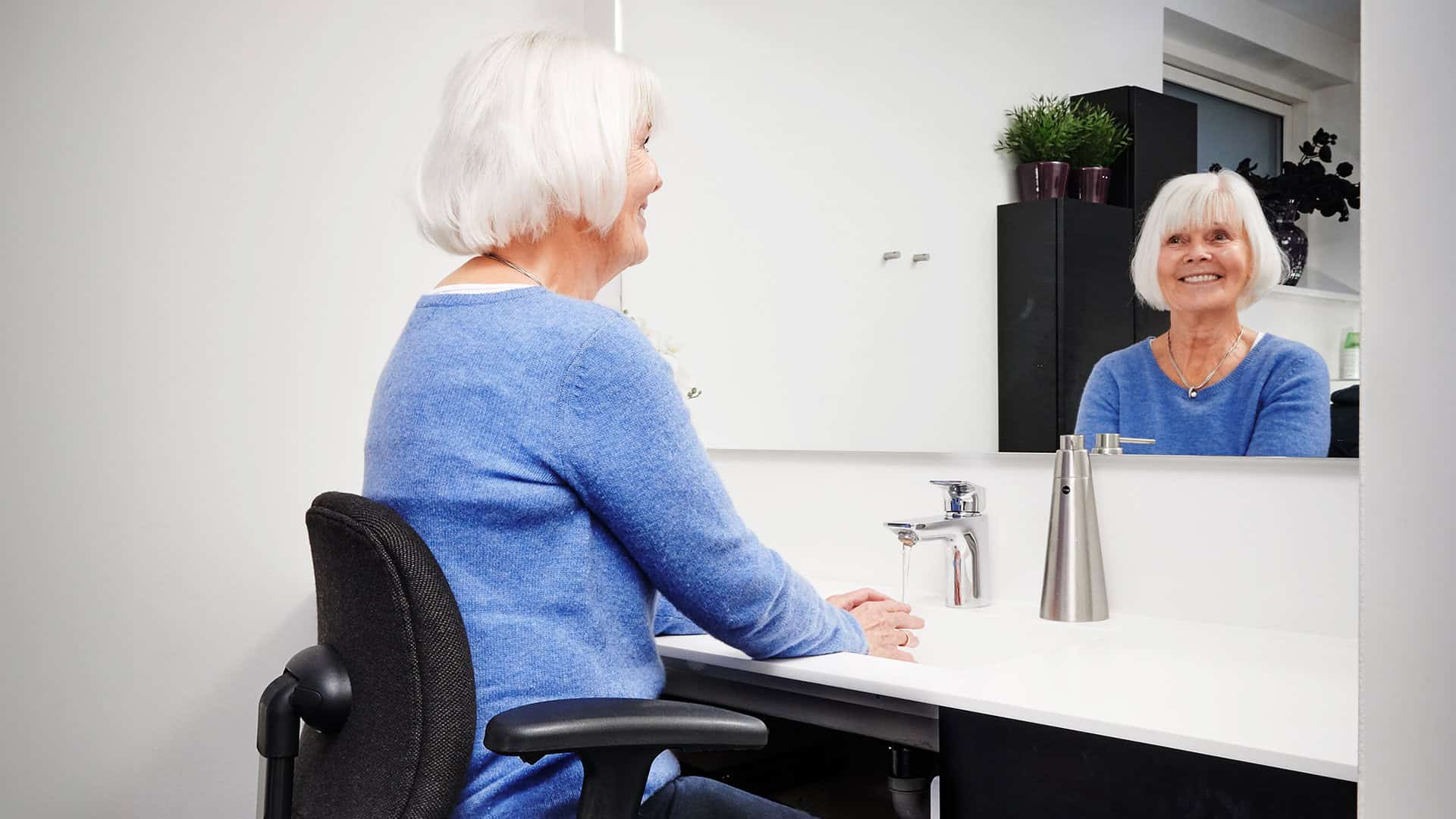
Solutions like the VELA Independence Chair continue to play a vital role for seniors looking to maintain agency at home. As a medically approved mobility chair, VELA provides adjustable heights for easier transfers, strong stability to reduce fall risk, and support for routine daily activities such as cooking and dressing. These features now complement cutting-edge smart mobility aids—such as AI-integrated exoskeletons, sensor-driven wheelchairs, and health-tracking wearables—that work together with telehealth and remote monitoring systems to create a seamless, safe, and independent daily environment for seniors.
Exploring Alternatives to Nursing Homes
For seniors desiring to maintain autonomy, mobility solutions like the VELA Independence Chair offer a valuable alternative to traditional nursing homes. Such Mobility Solutions for Independent Living, alongside AI-enhanced assistive technologies, support aging in place by addressing a range of mobility and safety needs. Innovations now include sensor-guided smart devices, AI-powered coaching, and telehealth-connected digital ecosystems, supporting individualized routines and rapid emergency response. Custom-fit, 3D-printed aids and brain-computer interface technologies are also emerging for those with chronic mobility conditions, promoting independence and health at home.[4] [5]
- Amada Senior Care (2025-04-14): Innovations in AI-driven exoskeletons and mobility aids for seniors
- Think Beyond the Chair (2025-02-07): AI-powered smart glasses, brain-controlled prosthetics and self-driving wheelchairs
- NABroward (2024-12-31): Assistive tech innovations including NeuroVision Pro
- Geriatric Assistive Devices Market: Trends, Technologies & Outlook (2025): Market analysis on AI, IoT, sensors, and exoskeletons for mobility impairments
- Aging-in-Place Technology: Making It Easier to Stay at Home (UCLA Health) (2025): Details on remote monitoring, wearables, and smart home sensors for seniors
- AI and Older Adults — What’s Now and Next in 2026 (AgeInPlaceTech): Overview of AI adoption in care, including devices like vibration-guided glasses for the visually impaired
- LetsEnvision (2024-12-28): Future of integrated AI assistants and enhanced accessibility
- Seniorsite.org (2025-04-30): Best assistive devices for elderly, including ergonomic and safety features