

Updated September 2025: We have updated the article with new findings on AI-driven assistive technologies, advanced ergonomic prosthetics, real-time sensory aids, and the integration of accessibility features into mainstream consumer electronics. These developments reflect the latest advancements supporting independence and quality of life for seniors and people with disabilities.
Independent Living in Las Cruces: A Comprehensive Guide
Las Cruces, New Mexico, provides an inviting atmosphere for seniors desiring independent living arrangements that emphasize autonomy, comfort, and vibrant community interactions. This burgeoning city is gaining popularity among older adults who appreciate both independence and access to supportive amenities. According to the U.S. Census Bureau, 16.23% of Las Cruces’ residents are aged 65 and over, aligning closely with the national average. The city’s pleasant climate and community-focused facilities make it an appealing destination for senior living.
Exploring Independent Living Options for Seniors in Las Cruces
Independent living communities in Las Cruces are tailored to a diverse array of needs, offering an assortment of services to enhance seniors’ quality of life. Facilities range from apartment complexes with recreational amenities to communities featuring dining options, housekeeping services, and on-site healthcare access. As outlined in the Neilsberg Population Reports, the demand for senior living options is projected to increase with the growing number of baby boomers transitioning into the 65-84 age range.
Consider a scenario involving John and Mary, a couple in their 70s exploring a move to a community with comprehensive amenities. Such individuals might prefer environments with communal dining areas, fitness centers, and organized social activities, all catering to a vibrant, independent lifestyle. Websites like SeniorLiving.org offer detailed comparisons of local facilities, assisting families in making informed decisions.
Comparing Costs: Las Cruces Independent Living Communities
Understanding the financial landscape is a crucial step when considering independent living. In Las Cruces, the average cost begins at approximately $2,900 per month, though this varies with the level of services provided. Financial planning plays a vital role, with assistance options available through programs described by the New Mexico Health Care Authority.
For retirees investigating budget-friendly options, thorough research into each facility’s pricing structures and services is essential. The city’s Affordable Housing Plan is a valuable resource for exploring possible financial supports.
Must-Have Amenities in Las Cruces Senior Living Facilities
When selecting an independent living community, amenities can significantly enhance the resident experience. On-site healthcare ensures prompt medical attention, while social activities and transportation services enrich daily lives. The mild Las Cruces climate also benefits residents by promoting outdoor activities year-round.
Imagine a senior who treasures social engagement—this person would excel in a community with organized events, clubs, and volunteer opportunities, thus fostering connections and belonging. Many such features are highlighted by Caring.com.
Enhancing Independence with Modern Mobility and Assistive Technologies
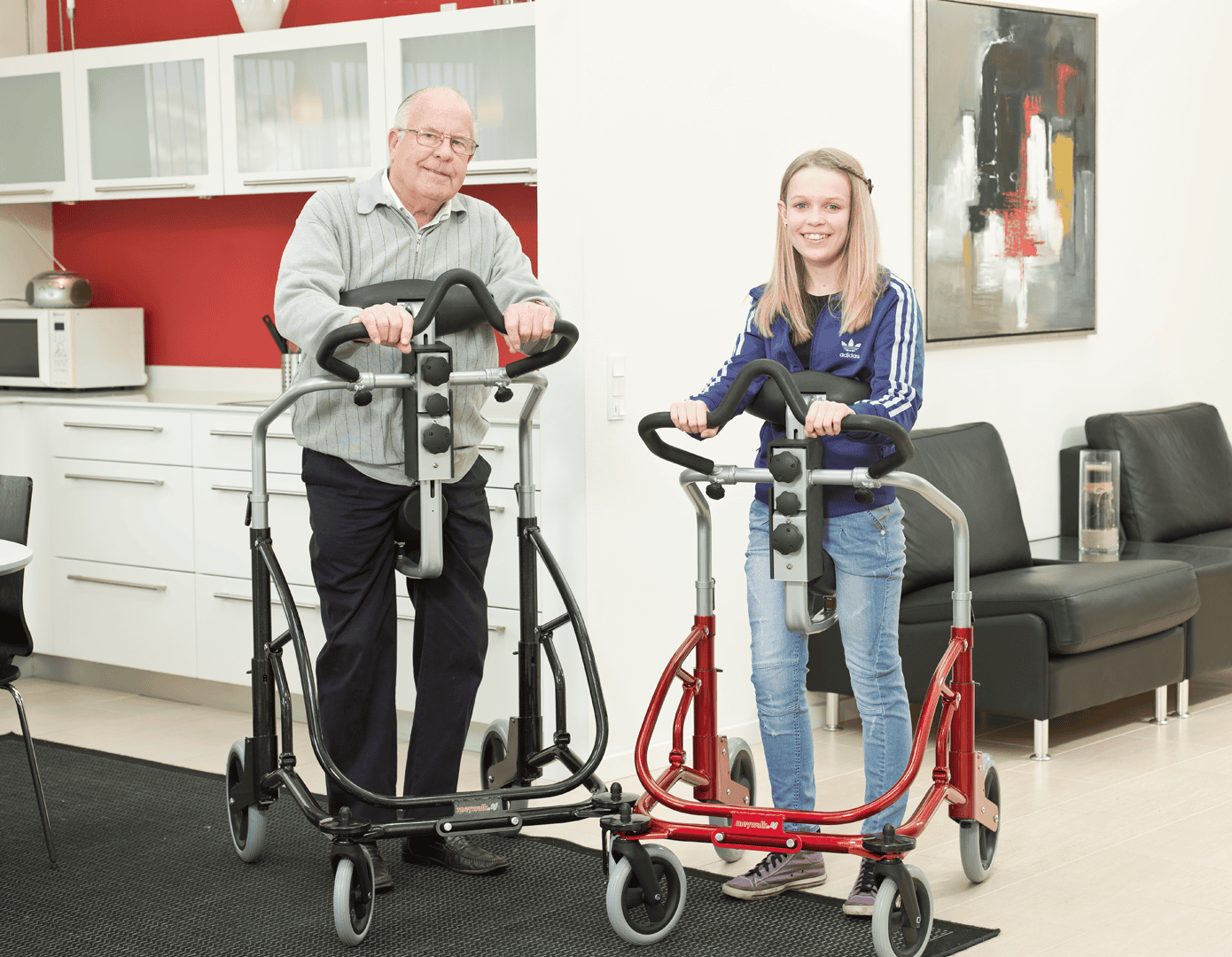
Maintaining independence in senior living communities increasingly benefits from the latest advances in assistive technologies. Beyond traditional mobility aids, AI-powered wearables and smart devices are setting new standards for safety, engagement, and accessibility. Devices such as Meta’s Ray-Ban Smart Glasses with “Live AI” provide users with real-time environmental descriptions and hands-free, conversational support, enabling greater independence for individuals with vision impairment.[6]
AI-driven solutions like XanderGlasses Connect offer speech-to-text captioning and language translation, aiding those with hearing or cognitive disabilities.[3]
Adaptive furniture such as VELA chairs remains essential for safety and comfort, featuring fall prevention mechanisms, electric height adjustability, and enhanced mobility options. These chairs empower residents to navigate their spaces with more autonomy and less assistance from caregivers, supporting aging in place.[VELA Chairs]
Emerging solutions in prosthetics, such as the Bio Leg robotic knee, now mimic natural movement and combine both comfort and attractive design, offering amputees better mobility in a discreet way.[3]
Wearable speech converters and sensory tools, like Bling and Aira, foster communication and provide real-time navigation support, allowing users to move through their communities with confidence and safety.[4]
These devices also offer features such as real-time visual interpreting and multi-language support, enhancing both daily communication and the rehabilitation process.[1]
Importantly, assistive technology is now being integrated with mainstream consumer electronics, making access more inclusive. For example, major brands are including accessibility features in everyday devices, removing barriers and promoting a higher standard of living for all users.[2]
Supporting Aging in Place: A Practical Option
As people age, remaining in the comfort of their own homes rather than transitioning into nursing homes is often preferred. The right combination of mobility supports—including technologies like VELA chairs and AI-powered wearables—make this increasingly achievable.VELA Chairs
Modern devices enable seniors to safely complete daily activities with less dependence on constant assistance, delaying or reducing the need for institutional care. Adaptive solutions now span from ergonomic seating with safety brakes to sensory tools and AI-powered assistants that provide environmental feedback, speech conversion, or navigation assistance in real time. Such innovation ensures that aging in place can be both dignified and secure, with technology blending seamlessly into all aspects of daily life.
While VELA chairs exemplify supportive ergonomic design, today’s seniors have greater access than ever before to a spectrum of solutions that combine medical approval with user-friendly features—whether for home or community living. These recent developments not only support independence but also enrich quality of life, social engagement, and inclusion.
Sources: