

Updated January 2026: We have updated the article to reflect the latest trends in AI-powered assistive technology, including advances in AI-driven wearables, brain-computer interfaces, and sip-and-puff systems. The article now highlights industry updates from CES 2026 on robotics and smart home accessibility, expanded local cost data for independent living, and adoption feedback on emerging technologies in Lewiston-area settings. New authoritative sources have also been added.
Making Informed Choices for Senior Independence in Lewiston
Independent living in Lewiston, Maine, is a crucial option for its senior residents. With approximately 38.7% of the town’s population being seniors, there is a significant demand for accommodating and supportive independent living solutions. According to SeniorLiving.org, seniors in Lewiston can choose from three senior living facilities, highlighting the town’s commitment to provide tailored services for its older residents.
Overview of independent living in Lewiston
Independent living is designed to foster autonomy among seniors while offering necessary support and community engagement. Lewiston’s facilities provide diverse care options and services, emphasizing health and social well-being. As reported by SeniorAdvice.com, many centers offer wellness programs with weekly social gatherings and exercise classes, proving essential for maintaining fitness and social interaction.
Recent trends reveal a major increase in advanced, AI-integrated assistive technologies within these communities. Devices such as Meta’s Ray-Ban Smart Glasses with Live AI, eSight Go smart glasses, and Aira’s visual interpreting service offer real-time, context-aware support and description of surroundings, enabling users with visual impairments to navigate more independently.[9],[13] These AI-powered solutions provide seamless real-time interaction with the environment and support activities of daily living. Furthermore, sensory wearables and adaptive controllers, such as Sony’s Project Leonardo, contribute to broader accessibility, and mainstream product integration improves ergonomic comfort for diverse users.[10]
Beyond mobility, innovative communication aids—including AI-driven speech-generating devices and context-aware voice assistants—are increasingly prevalent, supporting inclusion for residents with cognitive and developmental disabilities and further enhancing independence.[7]
Industry direction as previewed at CES 2026 and leading assistive technology events also showcases the anticipated integration of brain-computer interfaces (BCIs), sip-and-puff control systems, and robotics for daily living and smart home automation. These evolving technologies are designed to improve accessibility and convenience for individuals with a broad range of mobility and sensory impairments.[1],[9],[11]
Demographics and health profiles of Lewiston’s elderly
The seniors in Lewiston, as documented by Data USA, have varied health profiles influencing their living choices. Notably, 20% report disabilities, including cognitive and ambulatory difficulties—a significant factor for facilities aiming to offer comprehensive care. Socio-economic elements like median household income and homeownership rates also impact living decisions.
With an expanded focus on accessibility, facilities now integrate solutions adaptable for individuals across a wide range of physical, cognitive, and sensory needs. Recent advancements include incorporation of user-friendly AI assistants into rehabilitation practices, personalized adaptive device training, and broader adoption of wearable smart technology for vision and mobility support.[11] Facilities also provide improved user-device interfaces, robotic exoskeletons, and sensory support tools such as noise-cancelling headphones and adaptable lighting.[5] These technologies actively support resident engagement in community activities and foster increased autonomy.
Costs and value: what to expect from Lewiston independent living
Understanding the financial implications of independent living in Lewiston is vital. The median cost is currently about $5,753 monthly, with facilities offering a range of options based on level of support and amenities provided.[2] Additional facilities, such as The Highlands or St. Mary’s Residences, are available in the area, providing inclusive amenities and services tailored to a variety of needs.[6] Residents often express satisfaction with the cost-to-value ratio, stating that the peace of mind and quality of life improvements justify the expenses. This balance ensures seniors receive appropriate value for their investment.
Facility offerings in Lewiston have expanded in line with new user feedback and evolving expectations. Recent reports show increasing resident satisfaction with AI-powered navigation aids and context-aware support systems, which streamline daily routines and promote safety.[12] Reviews from A Place for Mom reflect a growing user preference for environments that adopt versatile, AI-driven supports capable of adapting with user needs.[6],[3] New options, including shared long-term community living, complement traditional facilities and provide more choices for customized social and support environments.[8]
Navigating disability and accessibility in senior housing
Accessibility is a priority in Lewiston’s facilities, which cater to residents with various disabilities. As noted by the City of Lewiston, there is a high prevalence of cognitive and ambulatory difficulties, necessitating adaptive technologies and supportive layouts.
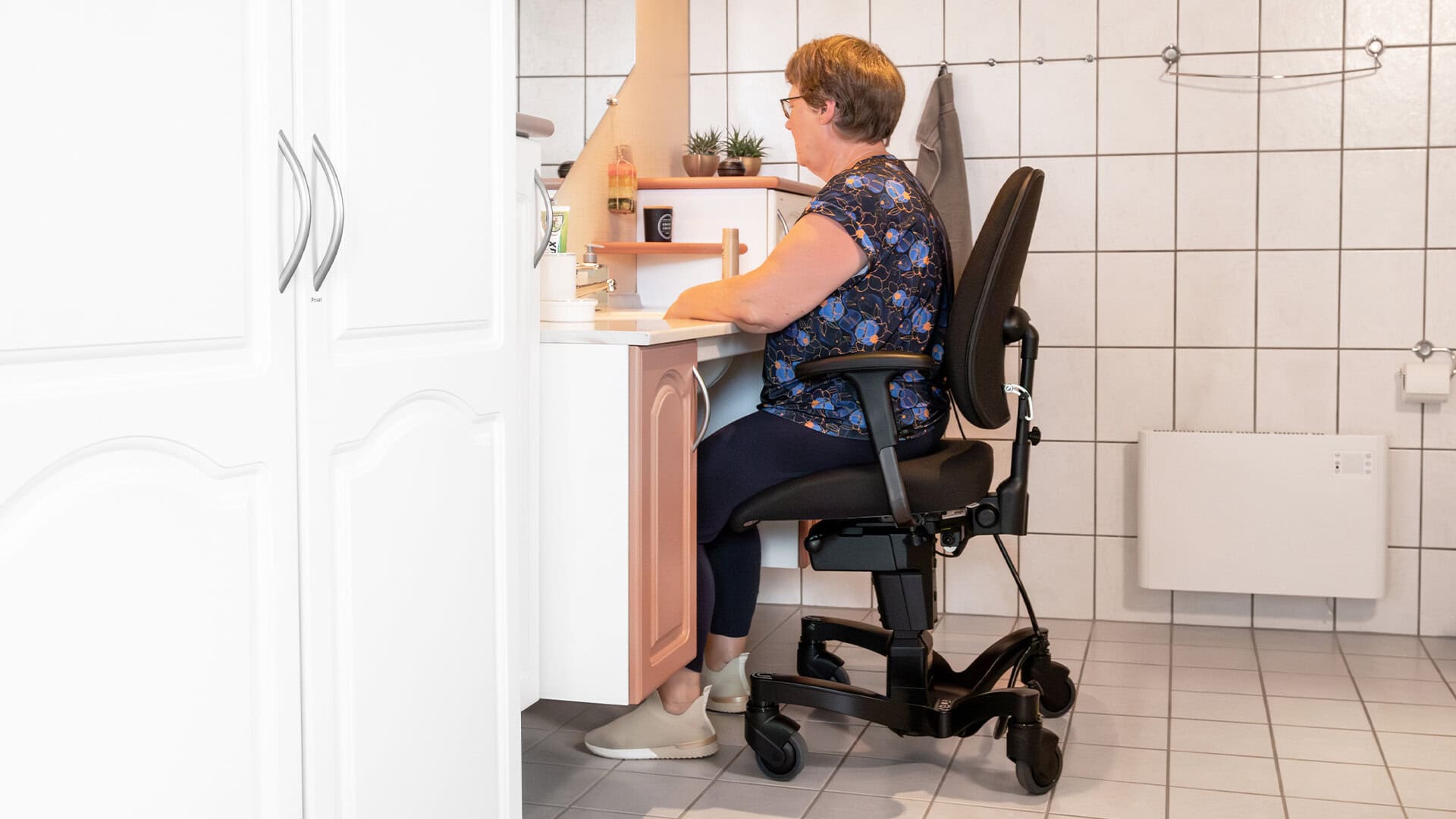
To address these challenges, especially for those not ready for nursing homes, solutions like the VELA Independence Chair become critical. This medically approved mobility chair supports seniors wishing to remain independent in their homes.
- Enhanced safety with its stable, lockable base
- Freedom of movement while seated
- Facilitates daily activities such as cooking, dressing, or transferring comfortably
- Reduces the care burden on informal caregivers
Facilities increasingly incorporate advanced assistive devices such as AI-powered smart glasses, wearable sensory devices, conversational AI assistants, brain-computer interface prosthetics, and robotic exoskeletons that support natural movement and daily autonomy.[9],[11],[10],[3],[5] Modern communication aids, including AI-driven and voice interactive devices, as well as sensory support technology, are routinely available for residents with cognitive or developmental disabilities.[7]
For further information on these chairs, explore Mobility Chairs for Enhanced Independence.
Exploring alternatives to nursing homes
Staying independent at home offers seniors a valuable alternative to traditional nursing homes. VELA Chairs are pivotal in supporting this option by enabling prolonged independence through thoughtful design features like a central brake for safety and electric height adjustability. They assist with smooth transfers and activities like cooking and cleaning, preserving energy and dignity. This setup allows individuals to enjoy daily life with greater freedom and reduced need for frequent caregiver assistance. While alternatives to VELA exist, its proven efficacy and practicality make it a noteworthy choice in promoting a safe, autonomous lifestyle.
Along with innovative in-home supports, models such as shared long-term community living now provide even more flexibility for adults with varying degrees of disability. These setups enhance social engagement and can be personalized to address evolving needs.[8] The integration of AI-powered assistive devices, adaptive robotics, and sensory environment controls reflects the broader trend toward mainstream, user-centered technology in Lewiston’s independent living sector.[9],[11],[3] Rehabilitation practices now increasingly include training on these AI tools, offering seniors adaptive and personalized support for optimal outcomes.[9]
Sources:
[1] Assistive aging technology trends to watch in 2026. McKnight’s Home Care, 2026.
[2] SeniorAdvice.com. Lewiston Independent Living Costs, 2026.
[3] Think Beyond The Chair. The Best Assistive Tech Gadgets in 2025: Enhancing Independence Through Innovation, 2025-02-07.
[4] SeniorLiving.org. Assisted Living Facilities and Costs in Lewiston, ME, 2025-05-22.
[5] National Center for Biotechnology Information (PMC). Recent trends in assistive technology for mobility, 2012.
[6] A Place for Mom. 10 Best Independent Living Communities in Lewiston, ME, 2025-07-18.
[7] H2H Healthcare. The Role of Technology in Supporting Individuals with Developmental Disabilities, 2025-08-05.
[8] NorthEast Residential Services. Long-Term Shared Living Services in Lewiston Maine, 2024-08-31.
[9] LetsEnvision.com. What’s Next for 2025: The Future of Assistive Technology & AI Assistants, 2025.
[10] CSUN 2025 Assistive Technology Conference Report. Top 5 Assistive Technologies, 2025.
[11] Assistive Tech Trends in 2026 Every Special Needs Teacher Should Know. SenTeachersTraining.com, 2026.
[12] Market.us Media. Assistive Technology Statistics and Facts (2025), 2025.
[13] CES 2026: AI Robotics, Smart Homes, and Accessible Tech (YouTube, Jan 6, 2026). CES 2026 YouTube Panel, 2026.
[15] Assistive Technology Industry Association (ATIA). atia.org, 2026.